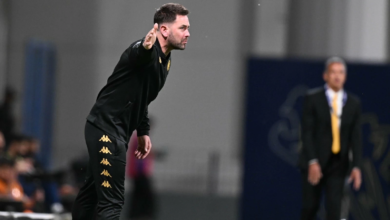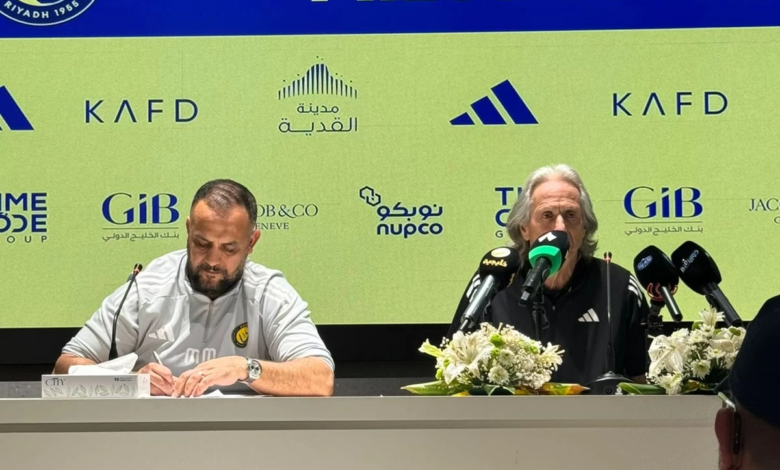

In a press conference that garnered significant media attention, Al-Nassr's Portuguese coach, Jorge Jesus, made strong statements ahead of the highly anticipated match against Al-Ahli in the 30th round of the Saudi Professional League. Jesus clearly indicated that Al-Ahli's strength this season, particularly in the Elite Championship, is not a coincidence, but rather the result of a well-structured technical and administrative strategy, the core of which lies in relying on 13 foreign players in their squad.
The Portuguese coach explained that this policy gave Al Ahly significant tactical depth and a variety of options, which noticeably enhanced the team's quality and raised its competitive level. He emphasized that having so many professional players from different footballing backgrounds contributed to the team's stability and positive results, which was directly reflected in its performance on the pitch and made it a strong contender in all competitions.
General context and historical transformation of Saudi football
Jesus's comments come amid a historic transformation of the sports sector in Saudi Arabia, a key component of Vision 2030. With the Public Investment Fund's acquisition of top clubs, the Saudi Professional League has undergone a significant transformation, attracting international stars and world-class coaches. The increased number of foreign players allowed per team has fundamentally altered team-building strategies, with clubs now competing not only for local talent but also for the quality and caliber of foreign professionals who form the backbone of many top teams.
The importance of the statement and its expected impact
Domestically, Jesus's statements are considered part of the psychological warfare preceding major matches, aiming to highlight the strength of the opponent and perhaps put pressure on them, while simultaneously motivating his own players to perform at their best. Regionally and internationally, such statements from a world-class coach of Jesus's stature draw the attention of observers and global media to the level of development and competitiveness achieved by the Saudi League, and highlight the tactical and strategic discussions taking place behind the scenes, thus reinforcing the league's position as one of the most attractive leagues in the world.
In contrast, Jesus was quick to emphasize his Al-Nassr team's readiness for this crucial match. He stressed that his team treats every game as a final, with the ultimate goal being victory in every encounter. He expressed his complete confidence in his players' ability to execute the required tactical plans, concluding by affirming that the team will enter the match with unwavering determination to secure the win and bring joy to their loyal fans in what promises to be a highly exciting and competitive game.