Trump's statements on Iran: Removal of nuclear materials and a fragile truce

Trump's statements regarding Iran and the future of the nuclear program
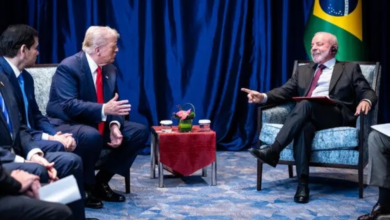
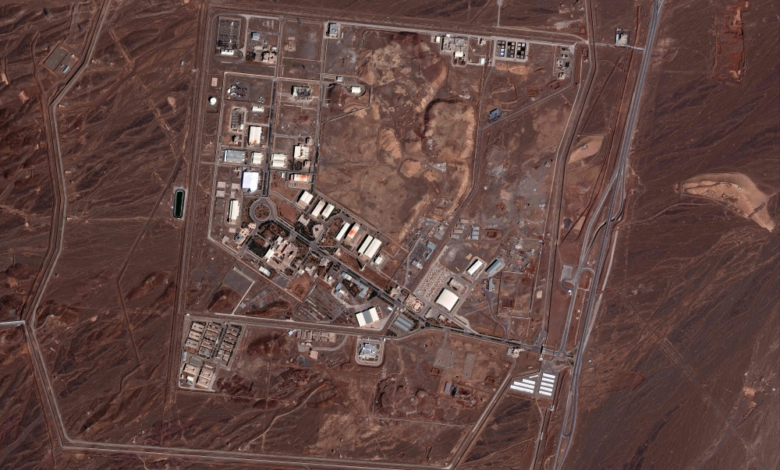
In a significant development reflecting a shift in US-Iranian relations, US President Donald Trump announced that the United States will work directly with Iran to remove nuclear materials buried following the military strikes of the summer of 2015. In statements published on his official Truth Social account, Trump affirmed that no uranium enrichment activities will be permitted on Iranian soil in the future. He indicated that the US administration in Washington is preparing to open talks with Tehran to discuss sensitive issues, including economic sanctions and tariffs.
The historical context of the Iranian nuclear program crisis
These developments are the culmination of years of escalating tensions between Washington and Tehran. Since the United States withdrew from the nuclear agreement in 2018 during Trump's first term and implemented a policy of "maximum pressure," Iran has moved to reduce its nuclear commitments and increase its uranium enrichment levels, alarming the international community. These developments have created a fertile ground for military and political escalation in the Middle East, making a comprehensive settlement extremely difficult and repeatedly bringing the region to the brink of all-out confrontation.
A fragile truce and stern US warnings
In a related development, US Vice President J.D. Vance described the recent agreement as a “fragile truce” with Iran. Vance called on Tehran to engage in negotiations “in good faith” with the aim of reaching a long-term strategic agreement that guarantees stability. He issued a stern warning, emphasizing that President Donald Trump “is not someone to be trifled with,” and that he is impatient and always seeks tangible and rapid progress on the ground.
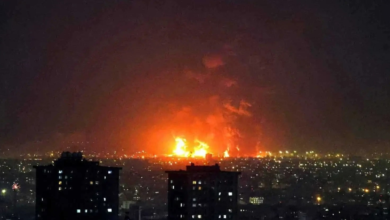
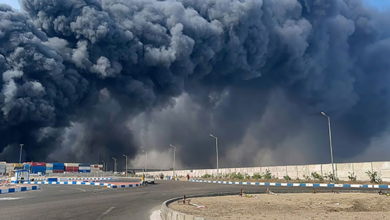
Vance's remarks came shortly after Washington and Tehran reached an agreement stipulating a two-week temporary truce. This truce was announced before the expiration of a crucial deadline set for Iran to reach an agreement, under threat of large-scale military strikes that the US administration described as capable of obliterating "an entire civilization." Tehran responded firmly, warning that the state of war and tension would not truly end until negotiations commenced and a formal, binding agreement was reached.
Regional and international impact of the truce
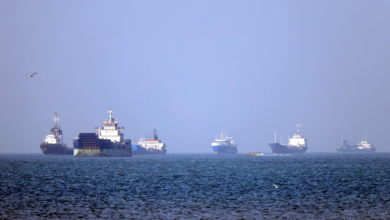
This initial agreement is of paramount importance both regionally and internationally. In the Middle East, neighboring countries are closely watching the course of these negotiations and their impact on maritime security and the stability of a region that has suffered from successive security tensions. Internationally, any de-escalation in this matter will have a positive impact on the global economy, allowing global markets to breathe a sigh of relief and reducing the volatility in energy and oil prices, which are closely linked to the stability of the Arabian Gulf.
Vance emphasized in his remarks that the United States still possesses significant military and diplomatic leverage, and, most importantly, enormous economic power. He added, warning, "If the Iranians lie, cheat, or try to undermine even this fragile truce we've reached, they won't be happy with the results.".
American diplomatic moves in Europe
Aside from the Iranian issue, and within the framework of broader US diplomatic efforts, J.D. Vance began an official visit to the Hungarian capital, Budapest. This visit aims to provide political support to Hungarian nationalist Prime Minister Viktor Orbán, who is currently facing unprecedented political challenges that threaten his 16-year rule, coinciding with crucial parliamentary elections in the country.