King's Cup Final: Al-Hilal and Al-Nassr in a decisive clash for the most prestigious title

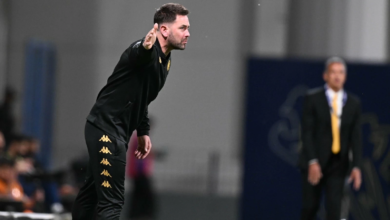
The two Portuguese coaches, Jorge Jesus, head coach of Al-Hilal, and Luis Castro, coach of Al-Nassr, are putting the final touches on their teams' preparations for the highly anticipated King's Cup final. The concluding match of the Saudi football season is scheduled to take place on Friday at King Abdullah Sports City Stadium in Jeddah, known as "The Shining Jewel," at 9:00 PM Mecca time.
Each team will hold its final training session on Thursday, during which they will finalize their tactical plans and settle on their starting lineups. Both coaches will focus on finer technical aspects, set-piece execution, and ensuring the physical and mental readiness of all their players before the highly anticipated match, which is expected to draw millions of football fans.
Historical context and renewed competition
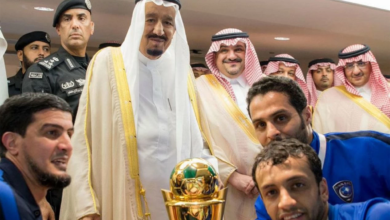
The King's Cup, first held in 1957, is the most prestigious and coveted domestic tournament in Saudi Arabia. The clash between Al-Hilal and Al-Nassr, known as the "Riyadh Derby," carries a special significance, characterized by intense rivalry and excitement, representing the pinnacle of Saudi football competition over the decades. Al-Hilal enters the match with high morale after securing the Saudi Professional League title undefeated and aims to achieve a historic treble by adding the King's Cup to their league and Super Cup victories. Meanwhile, Al-Nassr, led by their global star Cristiano Ronaldo, aspires to salvage their season with a major title to satisfy their fans' ambitions after finishing as league runners-up, adding a dramatic dimension to the encounter.
The importance of the match and its expected impact
The importance of this final extends beyond the local level, encompassing regional and international dimensions. Locally, winning the title represents a fitting end to a long and arduous season and enhances the winning team's standing in Saudi football history. Internationally, the presence of a constellation of global stars in both teams, such as Aleksandar Mitrovic and Sergej Milinkovic-Savic for Al-Hilal, and Cristiano Ronaldo and Sadio Mane for Al-Nassr, makes the match a focus of global media attention. This final reflects the development and appeal that Saudi competitions have achieved and reinforces the Roshan League's position as one of the major leagues on the world stage. Two press conferences are expected to precede the match, with the coaches discussing their teams' final preparations for this footballing summit.