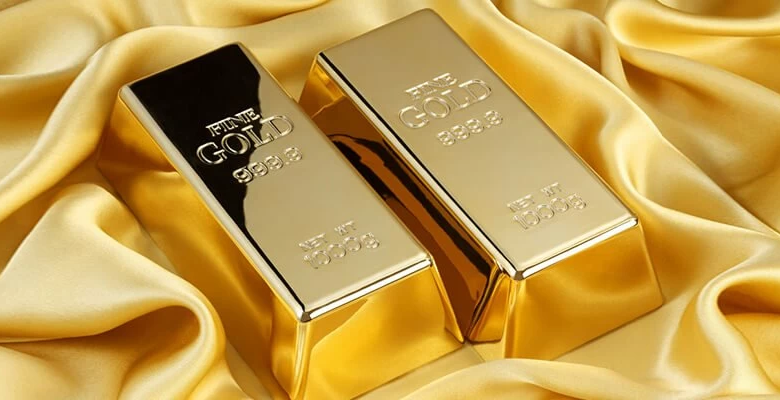

Gold prices saw a significant rise at the close of trading today, as investors turned to the precious metal as a safe haven amid their assessment of geopolitical developments in the Middle East and their potential impact on the global economy, particularly with regard to inflation rates and the monetary policies of central banks.
Gold futures for June delivery rose by nearly 0.8%, adding $35.20 to settle above key levels per ounce. This strong rally comes as silver has performed differently, with its May futures contracts declining only slightly.
Gold as a safe haven in times of turmoil
Historically, gold has been considered one of the most important assets that investors turn to for preserving the value of their wealth during periods of economic and political uncertainty. While stocks and currencies are directly and rapidly affected by conflicts and wars, gold tends to maintain or even increase its value, making it a true "safe haven." The current crisis in the Middle East is no exception, as fears of escalating conflict have increased demand for the precious metal as a hedge against risk.
The impact of tensions on inflation and interest rates
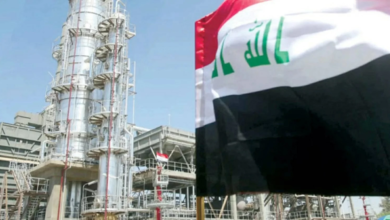
The Middle East's importance lies in its role as a vital transit route for global energy supplies, particularly oil and gas. Any disruption to shipping, as occurred in the Strait of Hormuz, raises concerns about supply shortages, leading to a surge in global energy prices. This price increase directly impacts production and transportation costs, potentially triggering a wave of global inflation.
These inflationary concerns put central banks around the world, especially the US Federal Reserve, in a difficult position. On the one hand, they may be forced to keep interest rates high for longer to curb inflation, which increases borrowing costs and negatively impacts economic growth. On the other hand, the uncertainty may push them to consider lowering interest rates to stimulate the economy. This tug-of-war between fighting inflation and supporting growth makes gold more attractive, as it is not as directly affected by interest rate decisions as bonds.
Performance coinciding with stability in the dollar and oil prices
Gold's positive performance coincided with a relatively stable US dollar and a decline in oil prices following the US announcement of a maritime mission to restore freedom of navigation in the Strait of Hormuz. While a strong dollar typically puts downward pressure on gold prices (since gold is priced in dollars), geopolitical concerns were the dominant factor in the market, allowing gold to rise despite the dollar not weakening significantly.
Conversely, the slight decline in silver prices reflects the dual nature of the white metal, which is used as both an investment and industrial asset. While it benefits from its status as a precious metal, it is also affected by concerns about slowing global economic growth, which could reduce industrial demand for it.