The debate over football affiliation in Saudi Arabia: Is loyalty to the region or to achievement?

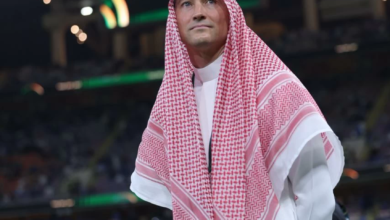
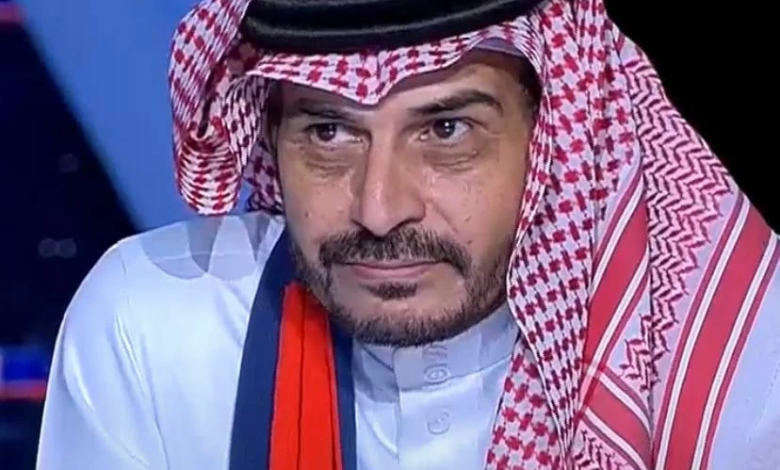
The statements made by the president of Abha Club, Saad Al-Ahmari, have sparked widespread controversy in Saudi sports circles regarding the issue of loyalty and allegiance to local clubs. In his remarks, Al-Ahmari expressed his displeasure with the phenomenon of local residents supporting other clubs, particularly the larger ones, at the expense of their own city's team, emphasizing the importance of supporting the club that represents their geographical identity.
Al-Ahmari said, “It bothers me that people from the region are cheering against their own city or regional team. We certainly respect Al-Hilal, Al-Nassr, Al-Ittihad, and Al-Ahli, and the history and championships of each club, but it is your duty as a fan to stand with your city's team, the one that brought these popular clubs to prominence.” He added emphatically, “People must have a sense of belonging to their region's team.”.
A historical context for the phenomenon of belonging in Saudi football
This issue is one of the deep-seated problems in Saudi football. Historically, competition and championship wins have been concentrated among a limited number of clubs, known as the "Four Popular Clubs" (Al-Hilal, Al-Nassr, Al-Ittihad, and Al-Ahli), based in Riyadh and Jeddah. This historical dominance, which has lasted for decades, has contributed to building fan bases that transcend regional boundaries, with generations growing up in various cities across the Kingdom supporting these clubs because of their achievements, star players, and extensive media coverage—a phenomenon common in other international leagues.
In contrast, clubs in other regions, such as Abha and Damac in Asir, or Al-Tai in Hail, have struggled to build a solid fan base that goes beyond limited family or social loyalty, due to their lack of achievements and their instability in the top league for long periods.
Abu Malha responded: Achievements are the basis of loyalty
The response from Dr. Waleed Abu Malha was swift and logical. He argued that belonging cannot be imposed solely through emotional appeals or geographical ties. In a tweet on his official X account, Abu Malha stated: “The Abha Club president’s statement leads us to a profound intellectual problem: the attempt to impose belonging through emotional force and geographical boundaries. Let’s be realistic; sports are entertainment, and supporting a team is a personal freedom before it is a national duty, except when it comes to the national teams.”.
He added, explaining, “The harsh reality is that the major clubs attract fans because of their history, resources, star players, and championships. It’s natural for fans from Abha, Taif, or Najran to be drawn to them. This is a logical and respectable choice.” He emphasized that the problem doesn’t lie with the fans, but rather with the region’s clubs, which have failed to meet their supporters’ aspirations. He stated, “Those who want a large fan base must achieve one success after another and become a regular fixture in the most prestigious league. This is the only way to attract fans, especially the younger generation.”.
Expected impact on the future of the Saudi League
This debate takes on particular significance given the major transformation underway in the Saudi Professional League and the investment and privatization project. The project's success depends not only on attracting international stars but also on enhancing the commercial value and competitiveness of all clubs. The presence of clubs with strong local fan bases boosts matchday and marketing revenues and fosters fiercer competition. Therefore, this discussion presents a real challenge for the management of regional clubs, who are now required to deliver entertaining football and achieve consistent results to win the loyalty of their local communities, rather than relying on emotional appeals that have proven ineffective in the modern world of professionalism.
Abu Malha concluded his vision by saying: “Whoever wants an audience should earn it through performance, true professionalism and championships, not through emotional speeches.”.