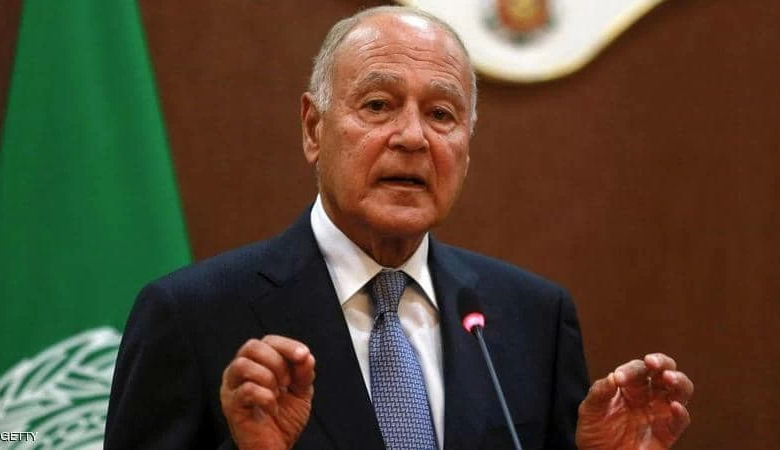

حذر الأمين العام لجامعة الدول العربية، أحمد أبوالغيط، من أن أي اضطراب أو إغلاق لمضيق هرمز أمام حركة الملاحة الدولية سيؤدي إلى تداعيات اقتصادية عالمية واسعة النطاق، وقد يدخل الاقتصاد العالمي في أزمة ممتدة. جاء هذا التحذير خلال كلمته في الجلسة الافتتاحية للدورة الاستثنائية لمجلس اتحاد الغرف العربية، التي عُقدت بمقر الجامعة في القاهرة، مؤكداً أن استقرار الممرات الملاحية الحيوية يمثل ركيزة أساسية للأمن الاقتصادي العالمي.
الأهمية الاستراتيجية لمضيق هرمز
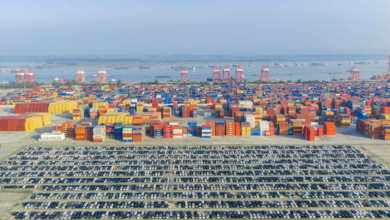
يُعد مضيق هرمز أحد أهم الممرات المائية في العالم، إن لم يكن أهمها على الإطلاق، حيث يربط بين الخليج العربي وخليج عُمان، ومن ثم إلى بحر العرب والمحيط الهندي. يمر عبر هذا الشريان المائي الحيوي ما يقرب من خُمس استهلاك النفط العالمي يومياً، بالإضافة إلى كميات هائلة من الغاز الطبيعي المسال، خاصة من دول كبرى مصدرة مثل قطر. هذا الموقع الجغرافي الفريد يجعله نقطة اختناق استراتيجية، وأي تعطيل لحركة الملاحة فيه يعني اضطراباً فورياً في أسواق الطاقة العالمية.
خلفية تاريخية من التوترات
لم تكن التوترات المحيطة بمضيق هرمز وليدة اللحظة، بل تعود لعقود من الزمن. لطالما كان المضيق مسرحاً للتوترات الجيوسياسية في منطقة الشرق الأوسط، خاصة بين إيران والدول الغربية. وقد تكررت التهديدات بإغلاق المضيق في أوقات الأزمات السياسية كأداة للضغط، مما يثير قلق المجتمع الدولي باستمرار. إن أي عمل عسكري أو هجوم يستهدف السفن التجارية في هذه المنطقة لا يمثل فقط انتهاكاً للقانون الدولي، بل يشعل فتيل أزمة قد تتجاوز أبعادها الاقتصادية لتصل إلى مواجهة عسكرية واسعة.
التداعيات الاقتصادية المتوقعة
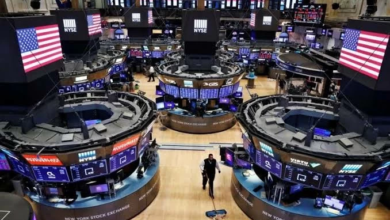
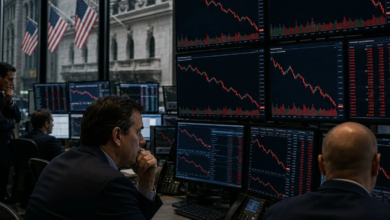
أوضح أبوالغيط أن الأزمة الأخيرة أبرزت أهمية الحفاظ على حرية الملاحة. فإغلاق المضيق سيؤدي حتماً إلى ارتفاع صاروخي في أسعار النفط والغاز، مما سينعكس سلباً على تكاليف الإنتاج والنقل في جميع أنحاء العالم، ويغذي موجات التضخم التي تعاني منها بالفعل العديد من الاقتصادات الكبرى والناشئة. كما ستتأثر سلاسل الإمداد العالمية بشكل مباشر، مما يؤدي إلى نقص في السلع وارتفاع أسعارها، وهو ما يضع ضغوطاً هائلة على الحكومات والشركات والمستهلكين على حد سواء.
دعوة للعمل العربي المشترك
في كلمته، شدد الأمين العام على ضرورة تعزيز العمل العربي المشترك لمواجهة هذه التحديات الاقتصادية الجسيمة. ودعا إلى ضرورة تنويع ممرات التجارة وتطوير بدائل للنقل الإقليمي لتقليل الاعتماد على ممر واحد. كما أكد على أهمية دور القطاع الخاص العربي كشريك أساسي في دفع عجلة التنمية والاستثمار، وتعزيز قدرة الاقتصادات العربية على الصمود في وجه الأزمات، مشيراً إلى أن الاعتداءات التي استهدفت دولاً عربية تمثل انتهاكاً مرفوضاً للقانون الدولي تحت أي ذريعة.