
موجة حر قياسية تجتاح شرق الولايات المتحدة
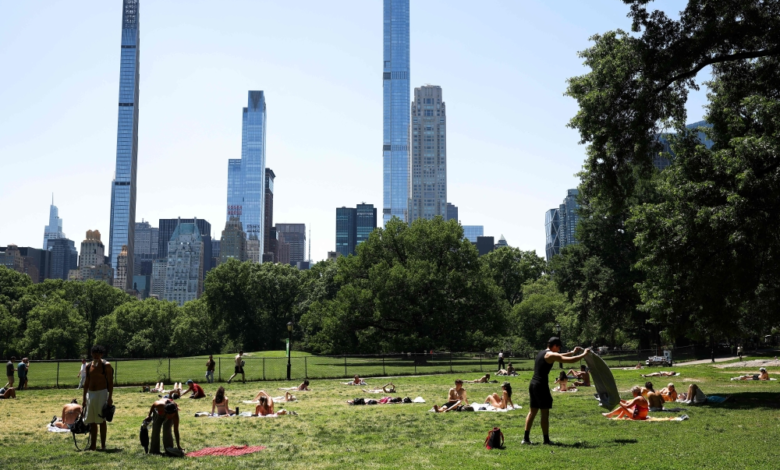
تشهد مناطق شرق الولايات المتحدة الأمريكية موجة حر قياسية ومبكرة غير مسبوقة، مما أجبر السلطات المحلية على اتخاذ تدابير عاجلة لحماية السكان والطلاب. وقد أدت هذه الظروف الجوية القاسية إلى تعطيل الحياة اليومية، حيث تم تحويل الدراسة في العديد من المدارس إلى نظام “التعليم عن بعد”، في حين تكافح مدن كبرى للتعامل مع الارتفاع المفاجئ في درجات الحرارة خلال فصل الربيع وبدايات الصيف.
تأثير الحرارة على المدارس والتعليم
وفي استجابة سريعة لهذه التطورات، أعلنت إدارة المدارس في مدينة فيلادلفيا تحويل الدراسة إلى نظام التعليم عن بعد لطلاب 57 مدرسة. وأكدت الإدارة أنه على الرغم من الجهود المبذولة لتحديث البنية التحتية، إلا أن عدداً كبيراً من المدارس لا يزال يعاني من ضعف أو غياب أنظمة تكييف الهواء، مما يجعل التواجد داخل الفصول الدراسية خطراً على صحة الطلاب. وفي حي دورشستر بمدينة بوسطن، لجأ مسؤولو إحدى المدارس الثانوية إلى توفير مراوح وتوزيع زجاجات المياه الباردة، مع السماح للطلاب بارتداء ملابس خفيفة بدلاً من الزي المدرسي المعتاد لتخفيف وطأة الحر الشديد.
أرقام قياسية وتحذيرات الأرصاد الجوية
من جانبها، أشارت هيئة الأرصاد الجوية الوطنية الأمريكية إلى أن هذه الموجة الحارة المبكرة تمتد من منطقة وسط المحيط الأطلسي وصولاً إلى نيو إنجلاند. وقد تم تسجيل درجات حرارة قياسية بالفعل، حيث بلغت الحرارة في بورتلاند بولاية مين 92 درجة فهرنهايت (حوالي 33 درجة مئوية)، بينما سجلت مدينة بوسطن 96 درجة فهرنهايت (35.5 درجة مئوية). وتوقعت الهيئة استمرار هذه المعدلات المرتفعة قبل وصول كتلة هوائية باردة من المتوقع أن تجلب الأمطار وتلطف الأجواء في وقت لاحق من الأسبوع.
استجابة السلطات وافتتاح مراكز التبريد
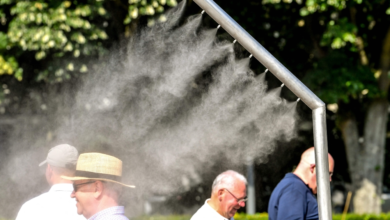
وقد أصدرت السلطات تحذيرات رسمية من موجة الحر شملت أجزاء واسعة من ولايات نيويورك، نيوجيرسي، بنسلفانيا، كونيتيكت، ماساتشوستس، ورود آيلاند. وفي مدينة نيويورك، سارعت السلطات المحلية إلى افتتاح “مراكز تبريد” عامة لمساعدة السكان، خاصة كبار السن وذوي الأمراض المزمنة، على تخفيف آثار الحرارة الشديدة وتجنب الإصابة بضربات الشمس والإجهاد الحراري.
السياق التاريخي والتغير المناخي
من الناحية التاريخية، يُعد تسجيل درجات حرارة تتجاوز 90 درجة فهرنهايت في هذه المناطق خلال هذا الوقت المبكر من العام أمراً نادر الحدوث. وعادة ما تشهد ولايات الشمال الشرقي الأمريكي طقساً معتدلاً في أواخر الربيع. ومع ذلك، يربط خبراء المناخ هذه الظواهر المتطرفة بالتغير المناخي العالمي، الذي أدى إلى زيادة وتيرة وشدة موجات الحر المبكرة. هذه التغيرات لم تعد مجرد أرقام، بل أصبحت واقعاً يفرض تحديات كبيرة على البنية التحتية القديمة التي لم تُصمم للتعامل مع هذا المستوى من الحرارة.
التأثيرات الإقليمية والدولية
على الصعيد الإقليمي والدولي، تسلط هذه الموجة الحارة الضوء على الأهمية المتزايدة للاستثمار في البنية التحتية المرنة مناخياً. فارتفاع درجات الحرارة يؤدي إلى ضغط هائل على شبكات الكهرباء نتيجة الاستخدام المكثف لأجهزة التكييف، مما يهدد بانقطاع التيار الكهربائي. كما أن تكرار هذه الموجات في دول متقدمة كالولايات المتحدة يبعث برسالة تحذير دولية حول ضرورة تسريع الجهود العالمية للحد من الانبعاثات الكربونية، حيث أن التأثيرات الاقتصادية والصحية للتطرف المناخي باتت تطال جميع الدول وتتطلب تعاوناً عالمياً لمواجهتها.