Supporting economic recovery in Yemen: International efforts to address the crisis

As one of the world’s worst humanitarian crises continues, international efforts are intensifying to mobilize the necessary support to revive Yemen’s shattered economy, which is the cornerstone of achieving sustainable stability and alleviating the suffering of millions of Yemenis. These efforts extend beyond providing immediate relief aid to include initiatives aimed at building the economy’s resilience and achieving long-term recovery.
Background of the economic crisis in Yemen
To understand the significance of this international movement, it is essential to consider the historical context of the crisis. Since the outbreak of conflict in late 2014, the Yemeni economy has been subjected to a series of devastating shocks. The conflict has destroyed vital infrastructure, brought oil and gas production and exports—the primary source of state revenue—to a near standstill, and fractured financial and monetary institutions, most notably the Central Bank of Yemen. This has resulted in a sharp decline in the value of the Yemeni rial and rampant inflation that has eroded citizens' purchasing power and rendered basic goods unaffordable for many.
The importance of international support and its expected impact
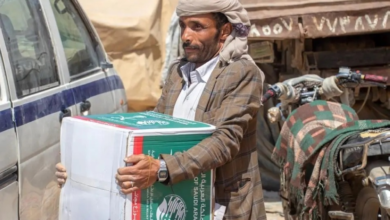
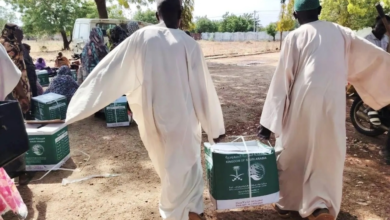
International support is a crucial lifeline in these circumstances. Current initiatives focus on several key areas, including providing direct budget support to the government to enable it to pay public sector salaries, particularly in the health and education sectors, thus ensuring the continued provision of essential services. Donors, such as the World Bank, the International Monetary Fund, and friendly nations like Saudi Arabia and the United Arab Emirates, are also funding projects aimed at restoring vital services such as water and electricity and repairing roads, creating temporary employment opportunities and stimulating local economic activity.
Regionally and internationally, the impact of Yemen's stability extends far beyond its geographical borders. A stable Yemen, both economically and politically, is crucial to regional security, particularly concerning the security of international navigation in the strategic Bab al-Mandab Strait, through which a significant portion of global trade passes. Preventing the complete collapse of the Yemeni state also helps combat the activities of extremist groups that might exploit chaos to expand their influence, posing a threat to global security. Therefore, investing in Yemen's economic recovery is an investment in both regional and international stability.
In conclusion, although external support remains a vital factor, experts emphasize that sustainable economic recovery will only be achieved through a comprehensive political solution that ends the conflict, reunifies state institutions, and paves the way for a comprehensive reconstruction phase.