
مقدمة: تحول استراتيجي في حركة التجارة العالمية
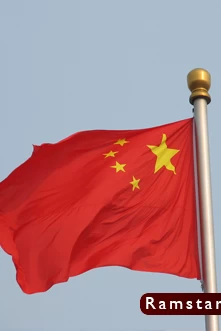
ارتفعت أسهم الشركات الصينية التي تقدم خدمات المدفوعات عبر الحدود بشكل ملحوظ، وذلك في أعقاب إشارة واضحة من وزارة التجارة الصينية إلى إمكانية استخدام اليوان الصيني في تسديد رسوم المرور عبر مضيق هرمز. وبينما تسعى بكين منذ مدة طويلة إلى تعزيز مكانة عملتها كعملة دولية رئيسية، فإن الاستخدام الفعلي لليوان في ممر مائي استراتيجي كهذا يتيح تطبيقاً عملياً طالما انتظرته الأسواق المالية العالمية.
السياق العام والخلفية التاريخية: هيمنة الدولار ومساعي التدويل
تاريخياً، ومنذ سبعينيات القرن العشرين، هيمن الدولار الأمريكي على تجارة النفط والطاقة العالمية فيما يُعرف بنظام “البترودولار”. ومع ذلك، بدأت الصين في السنوات الأخيرة، مدعومة بتكتلات اقتصادية كبرى مثل مجموعة “بريكس”، في تبني استراتيجيات تهدف إلى تقليل الاعتماد على الدولار الأمريكي في التجارة البينية. وتأتي هذه الخطوة في سياق جيوسياسي يتسم بتصاعد التوترات، حيث تبحث الدول الخاضعة للعقوبات الغربية، مثل إيران، عن بدائل مالية خارج نظام “سويفت” (SWIFT) المالي التقليدي، مما يجعل اليوان الصيني خياراً استراتيجياً وبديلاً آمناً لتسوية المعاملات.
الأهمية الاستراتيجية لمضيق هرمز
يُعد مضيق هرمز الشريان الأهم لنقل الطاقة في العالم، حيث يربط بين الخليج العربي وخليج عُمان وبحر العرب. وتمر عبر هذا المضيق الحيوي نحو 20% من إجمالي إمدادات النفط العالمية يومياً. وتسيطر إيران على حركة الملاحة في أجزاء واسعة منه، مما يمنحها القدرة على فرض رسوم عبور. إن إدخال العملة الصينية في معاملات هذا الممر يعطي الحدث وزناً اقتصادياً دولياً لا يُستهان به، ويتجاوز كونه مجرد إجراء إداري.
تفاصيل الرسوم والآلية الجديدة
أفاد منشور رسمي على موقع وزارة التجارة الصينية، مستشهداً بتقرير صدر مؤخراً عن مجلة “لويدز ليست” (Lloyd’s List) المتخصصة في الشؤون البحرية، بأن السفن وناقلات النفط تدفع لإيران رسوماً تصل إلى مليوني دولار مقابل عبور هذا الممر الملاحي الحيوي، مع إتاحة إمكانية سداد هذه الرسوم باليوان الصيني. وتفرض السلطات الإيرانية رسوم مرور تبدأ من نحو دولار واحد للبرميل، وتُسدد باليوان أو عبر العملات الرقمية المستقرة (Stablecoins)، بحسب ما كشفه مطلعون لوكالة “بلومبرغ”. ومن المعروف أن السعة النموذجية لناقلات النفط العملاقة تبلغ نحو مليوني برميل، مما يفسر حجم الرسوم المفروضة على كل رحلة.
التأثيرات المتوقعة: محلياً وإقليمياً ودولياً
أشار المحللون الماليون إلى أن هذا التطور يعزز التوقعات بأن الصراعات الجيوسياسية قد توجه مزيداً من رؤوس الأموال نحو الصين. ويمكن تلخيص التأثيرات في النقاط التالية:
- على المستوى المحلي: قال شين منغ، المدير في بنك الاستثمار ومقره بكين: “إن أسهم القطاعات ذات الصلة، مثل شركات الاستثمار في النفط والغاز والمدفوعات الإلكترونية، ستتلقى مزيداً من تدفقات رؤوس الأموال”. كما أن مساعي الصين لاستخدام اليوان كعملة دولية شكلت قوة دافعة رئيسية لتعزيز استخدامه في مضيق هرمز.
- على المستوى الإقليمي: يعزز هذا الإجراء من الروابط الاقتصادية بين دول الشرق الأوسط وآسيا، ويتيح لإيران قناة مالية حيوية لتجاوز العقوبات الاقتصادية المفروضة عليها، مما ينعكس إيجاباً على استقرار تدفقات الطاقة إلى السوق الصيني المتعطش للنفط.
- على المستوى الدولي: تُمثل هذه الخطوة لبنة أساسية في بناء نظام “البترويوان”، مما يهدد تدريجياً الهيمنة المطلقة للدولار في تسعير وتداول الطاقة، ويشجع دولاً أخرى على تنويع سلة عملاتها الاحتياطية والتجارية لتشمل العملة الصينية.