
تفاصيل زيادة أسعار الكهرباء في مصر
تتجه الحكومة المصرية نحو إقرار زيادات جديدة في أسعار الكهرباء، تستهدف بشكل رئيسي القطاع التجاري وأعلى شرائح الاستهلاك المنزلي، في خطوة تعكس مساعي الدولة لضبط الموازنة العامة وتقليل فجوة تكلفة الإنتاج. ووفقاً لمصادر مطلعة، شملت القرارات رفع أسعار الكهرباء على القطاع التجاري بنسب تتراوح بين 20% إلى 91%، مما يعكس توجهاً لتحميل القطاعات الأكثر استهلاكاً وربحية التكلفة الحقيقية للطاقة.
وعلى صعيد القطاع المنزلي، شملت الزيادات أعلى شرائح الاستهلاك بنسب تراوحت بين 16% و28%، بينما حرصت الحكومة على حماية الفئات الأقل دخلاً من خلال تثبيت الأسعار على أول 6 شرائح استهلاكية، مما يضمن عدم تأثر المواطنين البسطاء بهذه التعديلات السعرية في الوقت الراهن.
السياق التاريخي لخطة رفع الدعم عن الكهرباء
تأتي هذه الخطوة ضمن مسار اقتصادي طويل بدأته مصر منذ عام 2014، حين أعلنت الحكومة عن خطة تدريجية لرفع الدعم عن أسعار الكهرباء في مصر بشكل كامل. وكان من المفترض أن تنتهي هذه الخطة خلال سنوات قليلة، إلا أن القيادة السياسية وجهت بتأجيل الزيادات وتمديد فترة رفع الدعم أكثر من مرة خلال السنوات الماضية. وجاءت هذه التأجيلات استجابة للتحديات الاقتصادية العالمية، بدءاً من جائحة كورونا وصولاً إلى التداعيات الاقتصادية للحرب الروسية الأوكرانية، وذلك بهدف تخفيف الأعباء المعيشية عن كاهل المواطنين.
تحديات الإنتاج وتكلفة الغاز الطبيعي
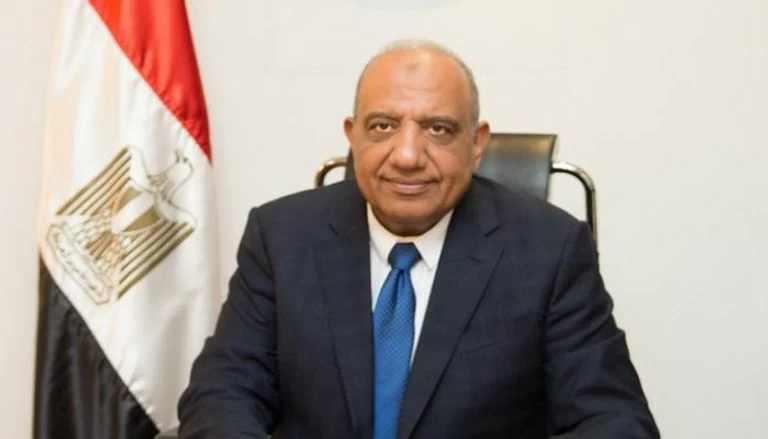
في سياق متصل، أوضح وزير الكهرباء والطاقة المتجددة المصري، محمود عصمت، خلال تصريحات حديثة، أن الوزارة تجري دراسات مستمرة لأسعار الكهرباء لمختلف الفئات، مؤكداً أن الإعلان الرسمي سيتم فور اتخاذ القرار النهائي. وسلط الوزير الضوء على التحديات المالية التي يواجهها القطاع، مشيراً إلى أن وزارة الكهرباء تحصل على الغاز الطبيعي المورد لمحطات الإنتاج بسعر 4 دولارات للمليون وحدة حرارية، وهو سعر مدعم مقارنة بالأسعار العالمية الحالية.
وناشد الوزير المواطنين بضرورة التكاتف مع الدولة في تطبيق إجراءات ترشيد الاستهلاك، مذكراً بأن الحكومة لم تقم برفع أسعار الكهرباء منذ نحو عامين التزاماً بالتوجيهات الرئاسية بعدم زيادة الأعباء على المواطنين في ظل موجات التضخم العالمية.
جهود تقليل الفاقد وتعزيز الطاقة المتجددة
لم تقتصر جهود وزارة الكهرباء على مراجعة الأسعار، بل امتدت لتشمل إجراءات هيكلية لتحسين كفاءة الشبكة القومية. وأكد الوزير أن الحكومة تتحمل أعباء مالية ضخمة لتوفير الطاقة المتجددة، حيث تم تخصيص نحو 160 مليار جنيه مصري لربط مشروعات الطاقة المتجددة بالشبكة القومية للكهرباء.
كما نجحت الوزارة في تنفيذ حزمة من الإجراءات الفنية والإدارية لتقليل نسبة الفاقد في التيار الكهربائي، مما أسهم في خفض هذه النسبة بأكثر من 16% خلال العامين الماضيين. وتكتسب هذه الإجراءات أهمية قصوى بالنظر إلى أن قطاع الكهرباء يستهلك ما بين 58% إلى 60% من إجمالي إنتاج واستهلاك الغاز الطبيعي في مصر.
التأثير المتوقع للقرار محلياً ودولياً
من المتوقع أن تترك هذه الزيادات تأثيراً مزدوجاً؛ فعلى الصعيد المحلي، قد تؤدي زيادة أسعار الكهرباء للقطاع التجاري إلى ارتفاع طفيف في تكاليف التشغيل لبعض الأنشطة، إلا أن تثبيت أسعار الشرائح الست الأولى للمنازل سيمتص الصدمة عن الطبقات المتوسطة ومحدودة الدخل. أما دولياً، فإن هذه الخطوة تمثل رسالة قوية للمؤسسات المالية، مثل صندوق النقد الدولي، تؤكد التزام مصر بالمضي قدماً في برنامج الإصلاح الاقتصادي، وتقليص عجز الموازنة، مما يعزز من ثقة المستثمرين في استقرار الاقتصاد المصري.