
مقدمة: حماية الأصول الوقفية واحترام إرادة الواقف
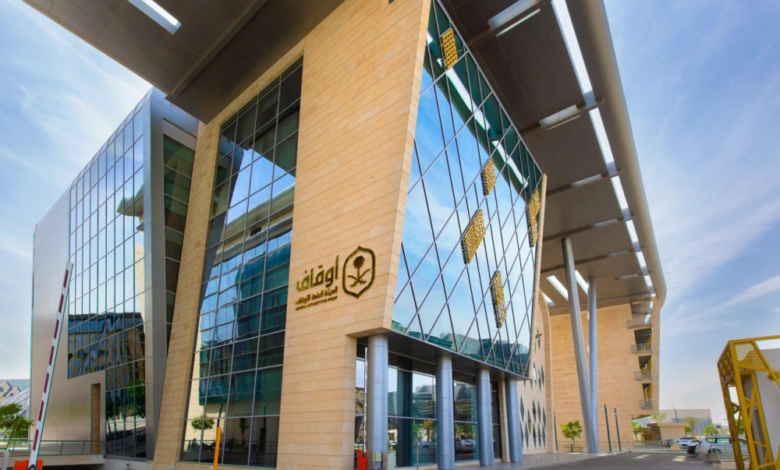
في خطوة استراتيجية تهدف إلى تعزيز الحوكمة والشفافية في القطاع غير الربحي، حسمت الهيئة العامة للأوقاف في المملكة العربية السعودية الجدل الدائر حول اشتراطات الإشراف على الأصول الوقفية. وأكدت الهيئة بشكل قاطع أن تعيين “الناظر” (المشرف على الوقف) من قبل الواقف يُعد شرطاً شرعياً ونظامياً معتبراً ومُلزماً للجميع. وشددت على أنه يُمنع منعاً باتاً عزل الناظر المعين من قبل الواقف إلا في حالات استثنائية ومحددة تتعلق بوجود تجاوزات نظامية أو شرعية واضحة.
السياق العام والخلفية التاريخية للأوقاف في المملكة
تاريخياً، يُعد الوقف الإسلامي أحد أهم الركائز التي ساهمت في التنمية الاجتماعية والاقتصادية عبر العصور. وفي المملكة العربية السعودية، حظي قطاع الأوقاف باهتمام بالغ منذ تأسيس الدولة، حيث تم إنشاء الهيئة العامة للأوقاف لتكون الجهة المرجعية لتنظيم هذا القطاع الحيوي وتطويره. وتأتي هذه التنظيمات الحديثة استكمالاً للقاعدة الفقهية الراسخة “شرط الواقف كنص الشارع”، والتي تضمن تنفيذ إرادة المتبرع بدقة. ومع انطلاق رؤية السعودية 2030، أصبح تطوير القطاع غير الربحي والأوقاف هدفاً استراتيجياً لرفع مساهمته في الناتج المحلي الإجمالي، وتحويله من الرعوية إلى التنمية المستدامة والمؤسسية.
تفاصيل القرار وضوابط إجراءات العزل
أوضحت الهيئة العامة للأوقاف أنه لا يجوز للجهات المختصة أو أي أطراف أخرى مخالفة شرط الواقف الأصلي عبر عزل الناظر المُعيَّن من قبله. ومع ذلك، واستناداً إلى مبدأ حماية المصلحة العامة، استثنت الهيئة من هذا الإجراء الحالات التي يثبت فيها ارتكاب الناظر لمخالفات صريحة. تشمل هذه المخالفات أي تصرفات تُلحق الضرر الجسيم بالكيان الوقفي، أو تخالف شروط الواقف الأساسية، أو تضر بحقوق المستحقين للوقف. وبيّنت الهيئة أن إجراءات العزل، في حال ثبوت الإضرار، لا تتم بشكل عشوائي، بل تخضع لأحكام وأنظمة تشريعية وقضائية صارمة تضمن حفظ مصالح الوقف وحمايته من أي تلاعب أو سوء إدارة.
أهمية الحدث وتأثيره المتوقع (محلياً وإقليمياً ودولياً)
يحمل هذا التوضيح التنظيمي أهمية كبرى وتأثيرات متعددة الأبعاد:
- على المستوى المحلي: يسهم القرار في تعزيز ثقة رجال الأعمال وفاعلي الخير في المنظومة الوقفية السعودية. عندما يطمئن الواقف أن إرادته ومن يختاره لإدارة وقفه سيحظيان بالحماية القانونية، فإن ذلك سيشجع على تأسيس المزيد من الأوقاف، مما يضخ مليارات الريالات في مشاريع تنموية تخدم المجتمع وتخفف العبء عن القطاع الحكومي.
- على المستوى الإقليمي: تُقدم المملكة العربية السعودية بهذا الإجراء نموذجاً تشريعياً رائداً يُحتذى به في دول الخليج والعالم العربي. إن مأسسة الأوقاف وضبط حوكمتها يضع معايير جديدة لإدارة الثروات الوقفية في المنطقة.
- على المستوى الدولي: يعكس هذا التطور التزام المملكة بتطبيق أعلى معايير الحوكمة والشفافية في قطاعها الثالث. هذا النضج المؤسسي يجعل البيئة الوقفية السعودية جاذبة للشراكات الدولية مع المنظمات غير الربحية العالمية، ويبرز دور المملكة كقوة ناعمة رائدة في العمل الإنساني والتنموي المنظم.
خلاصة: التوازن بين الإرادة والرقابة
في الختام، أشارت الهيئة العامة للأوقاف إلى أن إقرار هذه الضوابط يهدف بالدرجة الأولى إلى إيجاد توازن منهجي دقيق بين احترام إرادة الواقفين الأصلية وضمان سلامة الإدارة التشغيلية للأوقاف. إن الالتزام الصارم بهذه الضوابط سيسهم بشكل مباشر في تعزيز كفاءة الحوكمة، وإحكام الرقابة المؤسسية على جميع الأصول الوقفية، مما يضمن استدامتها ونموها لخدمة الأجيال القادمة.