Planting 60,000 trees in the holy sites to support environmental sustainability

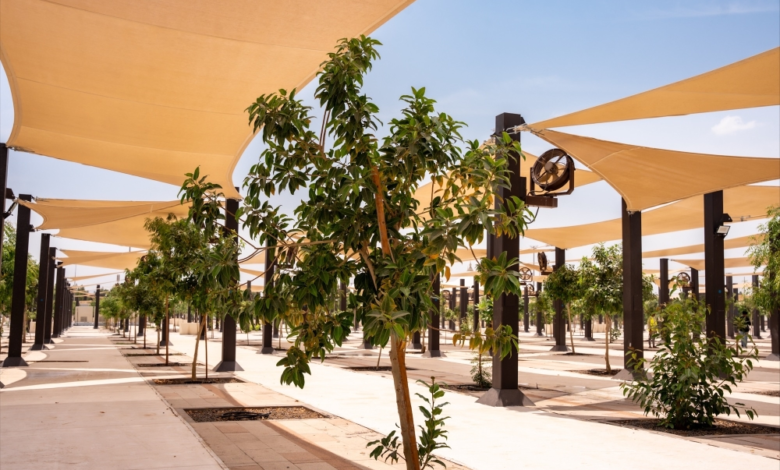
In a significant step to enhance environmental sustainability and improve the quality of life in the holiest places on earth, Kadana Development and Investment Company, the master developer of the Holy Sites and the executive arm of the Royal Commission for Makkah City and the Holy Sites, announced the implementation of the second phase of its vegetation expansion projects, which includes planting 40,000 new trees. This project complements the first phase, which saw the planting of 20,000 trees, bringing the total number of trees planted to over 60,000, representing a qualitative leap in the region's environmental landscape.
Project context and strategic objectives
This project falls within the framework of ambitious initiatives adopted by the Kingdom of Saudi Arabia, most notably “Saudi Vision 2030” and the “Saudi Green Initiative.” These initiatives aim to achieve a radical transformation in environmental stewardship and combat climate change by increasing green spaces and reducing carbon emissions. These efforts are particularly important in the Holy Sites, which receive millions of pilgrims annually, as the region faces climatic challenges, most notably high temperatures, especially during the Hajj season, which coincides with the summer months.
Expected impact on the experience of pilgrims
This initiative is expected to have a direct and tangible impact on the Hajj experience. Planting 60,000 trees will triple the green spaces compared to last year's Hajj season. This expansion will effectively contribute to moderating the atmosphere and lowering temperatures around the holy sites, providing natural shade that will help pilgrims perform their rituals with greater comfort and tranquility, and reducing the risk of heat stress. The trees also purify the air of pollutants and absorb carbon dioxide, thus promoting public health and creating a cleaner and more peaceful environment.
Operational efficiency and environmental standards
The company “Kadana” affirmed that the project’s implementation is based on precise scientific principles, carefully selecting plant species suited to local climatic conditions and characterized by their drought tolerance and low water consumption. This approach not only ensures the project’s success and sustainability but also reflects a commitment to operational efficiency and the optimal use of natural resources. Adopting innovative and sustainable solutions enhances the quality of services provided in the Holy Sites, elevates the spiritual and religious experience of visitors, and sets a leading example in the environmentally responsible management of major religious sites.