
Sharp shifts in global markets following the ceasefire announcement
US President Donald Trump's announcement of a temporary two-week "bilateral" truce with Iran sent shockwaves through the economic sphere, triggering sharp shifts in global energy and financial markets. This unexpected announcement sent oil prices plummeting by nearly 15%, while global stock indices surged, reflecting a temporary sense of relief among investors, amid cautious anticipation regarding the parties' commitment to reopening the strategic Strait of Hormuz to international shipping.
The Strait of Hormuz: Strategic Importance and Historical Background
The Strait of Hormuz is one of the world's most strategically important waterways, through which roughly one-fifth of the world's crude oil supply passes. Historically, this strait has been a major flashpoint in geopolitical tensions. Since the beginning of March, shipping traffic in the strait has been almost completely paralyzed due to escalating threats, with several commercial vessels and tankers being attacked by drones and missiles, sparking widespread international fears of a severe global energy crisis.
Oil prices collapse and stocks surge historicly
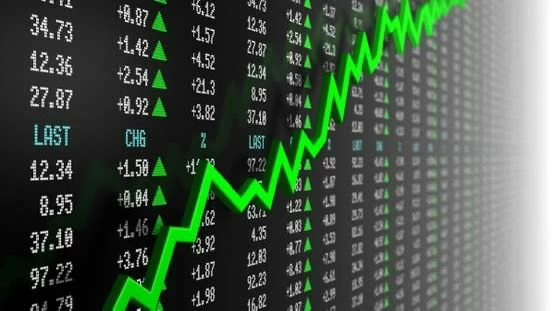
On the economic front, the market response was immediate and sharp. The price of a barrel of US oil fell below $95, after reaching a high of $117 earlier in the day, reflecting the high sensitivity of energy markets to any political breakthrough in the Middle East. The decline wasn't limited to crude oil; it also affected natural gas, wholesale gasoline, and heating oil prices. In contrast, US stock markets experienced a significant rally; Dow Jones Industrial Average futures jumped by nearly 1,000 points, the S&P 500 rose by more than 2.5%, and the tech-heavy Nasdaq 100 climbed by almost 3%, buoyed by broad gains in the Russell 2000 index.
Terms of the truce and the role of international mediation
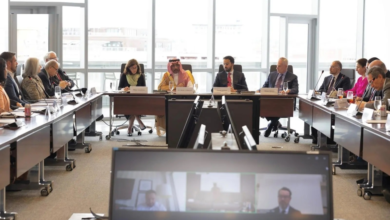
This truce came as a result of mediation efforts led by Pakistan, which played a crucial diplomatic role in bridging the gap between the parties. Trump clarified that the agreement is primarily contingent upon Iran's agreement to the "full, immediate, and secure opening of the Strait of Hormuz." In a related development, White House sources confirmed that Israel has also agreed to abide by this temporary two-week ceasefire, thus bolstering the prospects for the success of diplomatic efforts in de-escalating regional tensions and averting a wider conflict.
The Iranian position: Safe passage under vague conditions
From the Iranian side, Foreign Minister Abbas Araqchi responded, stating that the passage of ships through the Strait of Hormuz would be possible for two weeks, but “in coordination with the Iranian armed forces and taking into account technical constraints.” This statement left many questions unanswered, as the Iranian position remained ambiguous regarding whether Tehran would allow complete freedom of navigation for all commercial vessels or impose transit fees, keeping markets in a state of anticipation.
The effects of inflation and fuel prices on the consumer
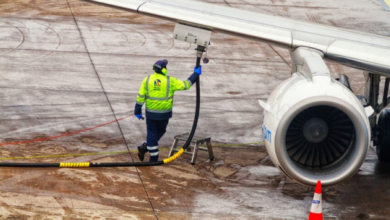
Despite this significant drop in energy prices, the economic reality still presents considerable challenges. Oil prices remain more than 70% higher than at the beginning of the year. In the United States, the average price of a gallon of gasoline reached $4.14, and diesel $5.64, levels close to historical highs. Economic analysts warn that this temporary truce may not be enough to produce a sustained price decrease, especially if restrictions on shipping are reinstated after the truce expires.
Cautious relief in global markets
The truce's impact extended to global bond and metal markets. US Treasury yields declined, reflecting investors' shift towards riskier assets like equities. Precious metals saw significant gains, with gold rising 2.5% and silver 4.6%. This positive sentiment is expected to extend to Asian and European markets, with Japan's Nikkei index projected to climb by around 3%, underscoring the link between global economic stability and the security of waterways in the Middle East.