The Emir of Qatar condemns the targeting of the UAE and affirms Doha's solidarity with Abu Dhabi

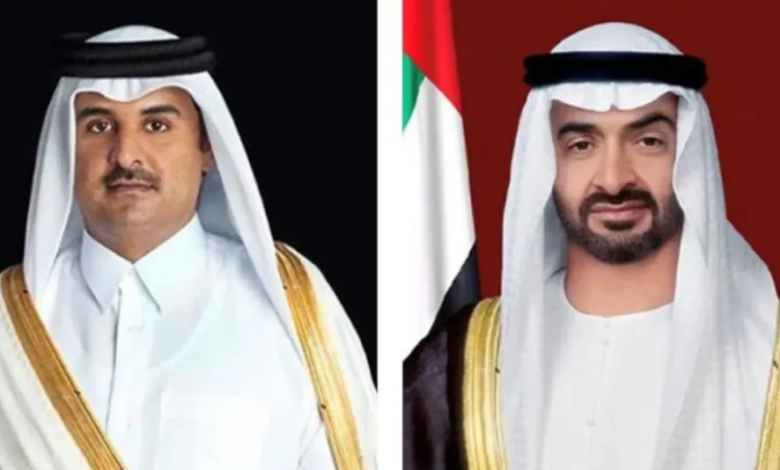
In a significant diplomatic move reflecting the profound shifts in Gulf relations, the Emir of Qatar, Sheikh Tamim bin Hamad Al Thani, made a phone call to Sheikh Mohammed bin Zayed Al Nahyan, President of the United Arab Emirates (then Crown Prince of Abu Dhabi). During the call, the Emir of Qatar expressed his country's strong condemnation of the attacks targeting civilian areas in the UAE capital, Abu Dhabi, affirming Qatar's full solidarity with the UAE and its people in confronting any act that threatens its security and stability.
Background of the attack and its regional context
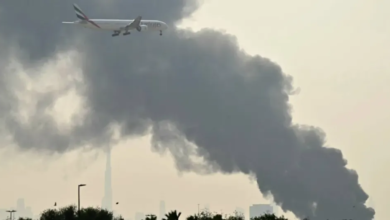
This Qatari stance comes in response to the attack claimed by the Houthi group in Yemen on January 17, 2022, which targeted vital facilities in Abu Dhabi, including an industrial area and a site near Abu Dhabi International Airport. The attack, carried out using drones and ballistic missiles, resulted in the deaths of three people and injuries to others, and sparked widespread condemnation both regionally and internationally. This attack represents a dangerous escalation in the Yemeni conflict, as the Houthi group sought to bring the fighting into the heart of the Arab Coalition countries led by Saudi Arabia, in which the UAE actively participates.
The importance of the Qatari position and its impact
This Qatari condemnation takes on particular significance given the historical context of relations between Doha and Abu Dhabi. It came just one year after the signing of the “Al-Ula Declaration” in January 2021, which ended the more than three-year-long Gulf crisis and restored diplomatic relations between Qatar and Saudi Arabia, the UAE, Bahrain, and Egypt. Therefore, the Qatari Emir’s call and his reaffirmation of solidarity are not merely routine diplomatic gestures, but rather a powerful political message emphasizing the turning of the page on the past and the strengthening of Gulf unity in the face of shared security challenges.
Repercussions at the regional and international levels
Regionally, this rapprochement is viewed as a key stabilizing factor. Unified Gulf solidarity sends a clear deterrent message to groups that threaten the region's security and underscores that the security of any GCC member state is an integral part of the security of the entire system. Internationally, the attack was widely condemned by the United States, the United Kingdom, numerous European countries, and the United Nations, which warned of the repercussions of this escalation on regional stability, maritime security, and global energy supplies. Qatar's position was consistent with this international consensus, further solidifying Doha's standing as an active and responsible player in regional politics.