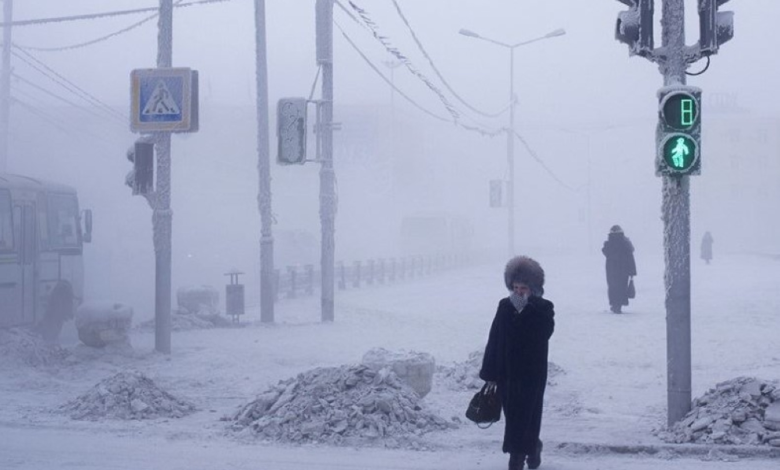

In an exceptional weather phenomenon, Greece is experiencing an unprecedented cold wave for this time of year, with the country recording its coldest start to May in nearly 70 years. Cold northerly winds and heavy rain have led to a sharp drop in temperatures, surprising residents and experts alike, and highlighting the extreme weather fluctuations the world is witnessing.
According to meteorologist Panagiotis Yiannopoulos, speaking to local media, the temperature in Athens reached a record low of just 14 degrees Celsius on May 1st. This is significantly lower than the previous record lows of 17 degrees Celsius in 1987 and 16 degrees in 1944, making this the coldest day in seven decades, at a time when residents and visitors typically expect warm spring weather in anticipation of summer.
Background of the phenomenon and its climatic context
This cold snap comes amid a global trend of increasingly frequent extreme weather events. Scientists link these events to broader climate change, which is disrupting normal weather patterns. While some parts of the world are experiencing record-breaking heat waves, others are experiencing unseasonably cold spells. The immediate cause of this phenomenon in Greece is the intrusion of a cold air mass from northern Europe into the Balkans and the Mediterranean, a rare occurrence of this intensity in May.
Snowfall and widespread effects
Not only did temperatures drop, but several mountainous regions also experienced snowfall, particularly in the north of the country near the city of Serres, as well as in parts of the Arcadia region of the Peloponnese peninsula. This wintry scene in the heart of spring has caused considerable concern in vital sectors, most notably agriculture. Farmers fear the impact of the sudden frost on crops that have begun to flower, such as olive and fruit trees, which could threaten significant damage to agricultural production this season.
Expected impacts on tourism and the economy
Greece is a world-renowned tourist destination, and May marks the start of the summer tourist season. This cold and unpredictable weather could negatively impact the influx of tourists at the beginning of the season, especially those seeking sunny beaches and warmer climates. The drop in temperatures also increases energy consumption for heating, adding an unexpected financial burden on households and businesses. While forecasts indicate that the cold snap will be short-lived, with temperatures expected to return to their usual highs above 20 degrees Celsius, this phenomenon serves as a strong indicator that consistently mild and stable weather is no longer a given.