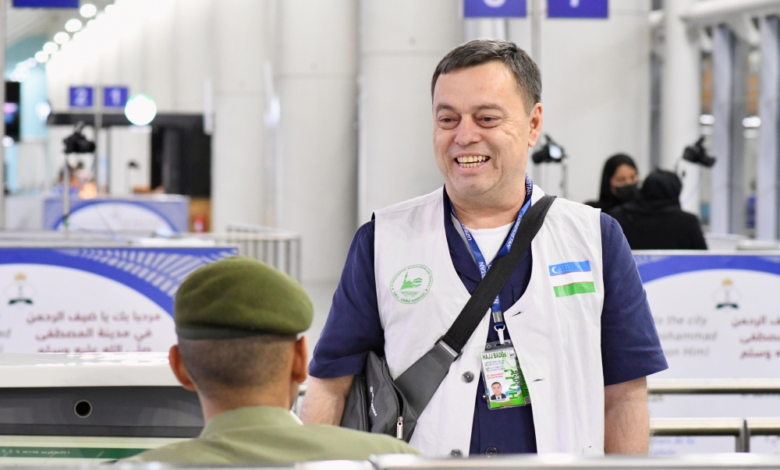

في أجواء روحانية وإيمانية، استقبل مطار الأمير محمد بن عبدالعزيز الدولي في المدينة المنورة أولى رحلات ضيوف الرحمن القادمين من جمهورية أوزبكستان، إيذانًا ببدء توافد الحجاج لأداء فريضة الحج لموسم 1445هـ. وقد حظي الفوج الأول من الحجاج باستقبال حافل، حيث تم إنهاء إجراءات دخولهم عبر جوازات المطار بكل يسر وسلاسة، مما يعكس حجم الاستعدادات والجهود التي تبذلها المملكة العربية السعودية لخدمة حجاج بيت الله الحرام.
السياق التاريخي وأهمية الحدث
يمثل وصول أولى طلائع الحجاج حدثًا سنويًا ذا أهمية بالغة، فهو يعلن عن انطلاق موسم الحج، الركن الخامس من أركان الإسلام، الذي يجمع ملايين المسلمين من شتى بقاع الأرض. وتكتسب المدينة المنورة مكانة خاصة في قلوب المسلمين، فهي مدينة الرسول صلى الله عليه وسلم ومثواه، وعادةً ما يقصدها الحجاج قبل أو بعد أداء مناسك الحج في مكة المكرمة لزيارة المسجد النبوي الشريف والسلام على النبي وصاحبيه. وتعتبر العلاقات بين المملكة ودول آسيا الوسطى، ومنها أوزبكستان، تاريخية ومتجذرة، حيث شهدت أعداد الحجاج من هذه المناطق نموًا مطردًا على مر السنين، مما يعزز الروابط الدينية والثقافية.
استعدادات متكاملة وتسهيلات غير مسبوقة
أكدت المديرية العامة للجوازات جاهزيتها الكاملة لاستقبال ضيوف الرحمن عبر جميع المنافذ الدولية للمملكة، سواء الجوية أو البرية أو البحرية. وتأتي هذه الجهود في إطار منظومة خدمات متكاملة تهدف إلى تحقيق أعلى مستويات الراحة والطمأنينة للحجاج. وقد تم تسخير كافة الإمكانات التقنية والبشرية لدعم منصات الجوازات، حيث تم تجهيزها بأحدث الأجهزة التي تضمن سرعة إنهاء الإجراءات، ويعمل عليها كوادر بشرية مؤهلة تتحدث لغات متعددة لتسهيل التواصل مع الحجاج القادمين من مختلف دول العالم. وتندرج هذه التسهيلات ضمن مبادرات أوسع مثل “مبادرة طريق مكة” التي تتيح للحجاج إنهاء إجراءات الدخول من مطارات بلدانهم، مما يختصر عليهم الوقت والجهد عند وصولهم إلى المملكة.
الأثر المحلي والدولي لموسم الحج
لا يقتصر تأثير موسم الحج على الجانب الديني فحسب، بل يمتد ليشمل أبعادًا اقتصادية واجتماعية ودبلوماسية هامة. فعلى الصعيد المحلي، يمثل الموسم محركًا اقتصاديًا حيويًا للمدينتين المقدستين، مكة المكرمة والمدينة المنورة، بما يتماشى مع أهداف رؤية المملكة 2030 الرامية إلى تعزيز قطاع السياحة الدينية وخدمة عدد أكبر من الحجاج والمعتمرين. وعلى الصعيد الدولي، يُظهر نجاح المملكة في تنظيم هذا التجمع البشري الهائل قدرتها اللوجستية والتنظيمية الفائقة، ويعزز مكانتها كقلب للعالم الإسلامي. كما يمثل استقبال الحجاج من دول مثل أوزبكستان تأكيدًا على عمق العلاقات الثنائية والتعاون المشترك في مختلف المجالات.