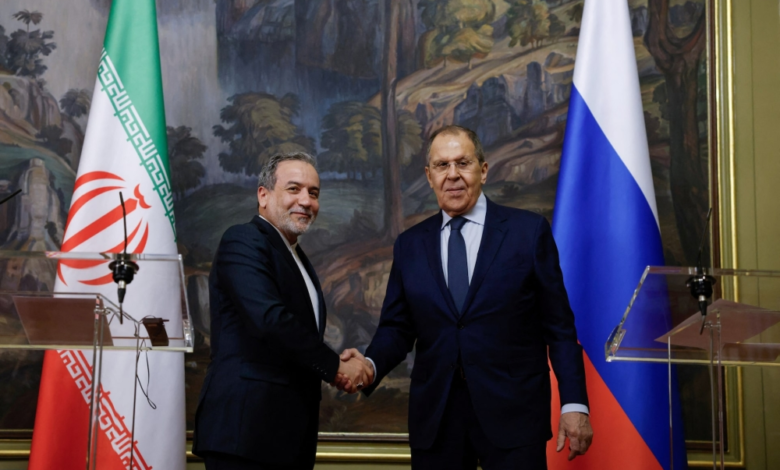

Russia calls for de-escalation and a return to the negotiating table
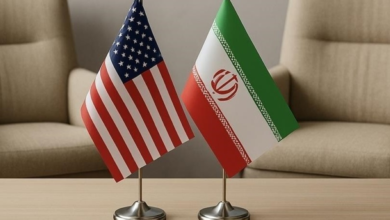
Amid escalating geopolitical tensions in the Middle East, Russian Foreign Minister Sergey Lavrov delivered a firm message to the United States, urging it to abandon its policy of issuing ultimatums and using threatening language in order to pave the way for a return to diplomatic negotiations. These remarks came during a significant phone call between Lavrov and his Iranian counterpart, Abbas Araqchi, in which the two discussed ways to de-escalate tensions and prevent a full-blown military confrontation in the region.
Trump's threats and the strategic importance of the Strait of Hormuz
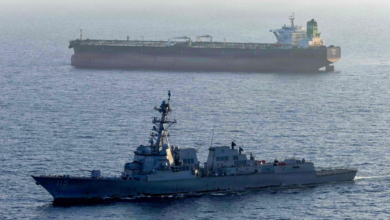
These rapid developments follow strongly worded statements by US President Donald Trump, who threatened to launch devastating military strikes targeting critical infrastructure in Iran if the strategic Strait of Hormuz remains closed. The Strait of Hormuz is one of the world's most important waterways, through which approximately one-fifth of the world's crude oil supply passes. Any threat to navigation in this strait represents a crisis with global economic dimensions, potentially disrupting supply chains and causing an unprecedented surge in global energy prices.
The historical context of US-Iranian tensions
Historically, the roots of this renewed crisis can be traced back to the United States' unilateral withdrawal from the Iran nuclear deal (the Joint Comprehensive Plan of Action) in 2018 and its implementation of a policy known as "maximum pressure." Since then, the region has witnessed persistent tensions and a shadow war punctuated by cyberattacks and limited military operations. In this context, the Russian Foreign Ministry issued an official statement expressing Moscow's hope for the success of diplomatic efforts by several countries to defuse the crisis, emphasizing that abandoning the language of American ultimatums is the key to resuming negotiations.
Targeting the Bushehr nuclear power plant and its regional repercussions
The Russian and Iranian ministers addressed the dangers of targeting civilian facilities, urging Washington to cease what they described as “unjustified and illegal attacks on civilian infrastructure.” In this context, grave concern was expressed regarding the Bushehr nuclear power plant, a facility in whose operation Russia plays a key role. Moscow took immediate precautionary measures by evacuating 198 Russian workers from the plant after a US-Israeli strike on its perimeter resulted in the death of one security guard, according to Iranian state media. Any attack on the vicinity of nuclear reactors carries catastrophic environmental and humanitarian risks that extend beyond regional boundaries.
The carrot and stick policy: an opportunity to reach an agreement
Despite the rhetoric of military escalation, Trump left a door ajar for diplomacy. In an interview with Fox News, he expressed his belief that there was a “good chance” of reaching a new agreement with Tehran, indicating that negotiations were already underway. However, he maintained his usual carrot-and-stick approach, warning bluntly: “If they don’t reach an agreement quickly, I am seriously considering destroying everything and seizing the oil.” This complex scenario presents the international community with significant challenges, as Russia seeks to play the role of guarantor of regional stability, while Washington continues to exert pressure to achieve its strategic objectives.