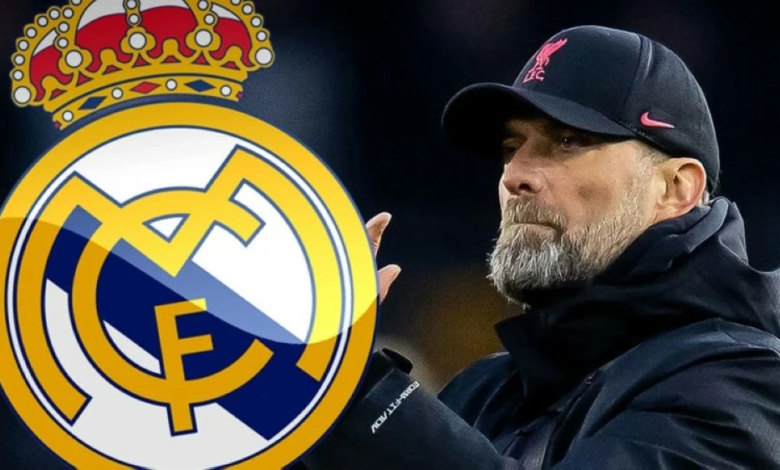

Amid the storm raging within the corridors of the Royal Club, the name of veteran German coach Jurgen Klopp has resurfaced strongly as a potential candidate to save Real Madrid's season, according to recent press reports that highlighted the former Liverpool coach's stance on taking over the technical leadership of the Merengues.
Klopp's stance: Between Red Bull commitment and the Bernabeu dream
A report published by Sky Sports revealed that Jürgen Klopp, currently the global head of football at Red Bull (owners of clubs like RB Leipzig and RB Salzburg), still holds a strong admiration for Real Madrid. While the report confirmed Klopp's happiness in his current managerial role, which offers him respite from the daily pressures of coaching, it left the door open to only two possibilities that might prompt him to reconsider his future: an offer from the German national team or a call from Real Madrid.
A week of disasters rocks the royal household
This connection comes at a very critical time for the Spanish club, with observers describing the past few days as a "disastrous week." The footballing tragedy began in Jeddah, Saudi Arabia, where the team lost the Spanish Super Cup final to arch-rivals Barcelona 3-2, in a match that exposed glaring defensive weaknesses.
The repercussions did not stop at losing the title, but extended to include the coaching staff, as the club's management announced the dismissal of coach Xabi Alonso in a surprising decision reflecting the state of administrative anger, and Alvaro Arbeloa was appointed as his successor in an attempt to sort things out.
Arbeloa's rocky start and cup shock
Arbeloa's tenure at Real Madrid didn't begin as the club's fans had hoped. The team suffered a major blow on Wednesday, exiting the Copa del Rey in the round of 16. The 3-2 defeat to second-division side Albacete Balompié further complicated matters and placed the club's management under immense pressure from supporters to find a radical solution.
Why is Klopp the ideal choice?
Historically, the Real Madrid coaching position has always been the most coveted in the world, with fans and management alike demanding nothing less than titles and convincing performances. Analysts believe that Jürgen Klopp's leadership qualities and extensive experience in building and rescuing teams from crises (as he did with Borussia Dortmund and Liverpool) make him the ideal choice to restore the prestige of the Royal Club. Klopp's attacking philosophy and his ability to manage star players could be the missing element Real Madrid needs to get back on track both domestically and in Europe, especially given their current inconsistent form.