
اعتماد استراتيجي على إمدادات الخليج
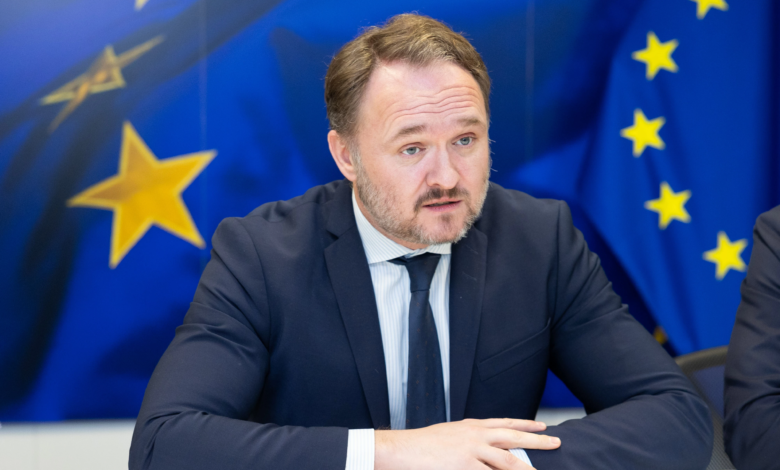
كشف دان يورغنسن، مفوض الاتحاد الأوروبي لشؤون الطاقة، عن حقيقة مقلقة تبرز مدى اعتماد القارة الأوروبية على منطقة الخليج العربي لتأمين استقرارها في قطاع النقل والطاقة. ففي تصريحات حديثة، أكد يورغنسن أن ما يقرب من 40% من إجمالي احتياجات الاتحاد الأوروبي من وقود الطائرات والديزل يتم استيرادها مباشرة من دول الخليج، مما يجعل هذه المنطقة شريكاً استراتيجياً لا غنى عنه لأوروبا.
وأوضح الدبلوماسي الأوروبي أن هذا الاعتماد الكبير يأتي في وقت حرج، حيث أن احتياطيات وقود الطائرات لدى القطاع الخاص في أوروبا محدودة، بينما احتياطيات الحكومات الأوروبية، وإن كانت أكبر، إلا أنها ليست كافية لمواجهة انقطاع طويل الأمد في الإمدادات. وحذر يورغنسن من أن أي اضطراب في تدفق هذه الإمدادات الحيوية سيؤدي حتماً إلى أزمة طاقة قد تكون لها تداعيات اقتصادية واجتماعية وخيمة.
خلفية الأزمة: من أوكرانيا إلى البحر الأحمر
تأتي هذه التصريحات في سياق جيوسياسي متوتر. فمنذ بدء الحرب في أوكرانيا، سعى الاتحاد الأوروبي جاهداً لتقليل اعتماده على الطاقة الروسية، ونجح في تنويع مصادر الغاز الطبيعي والنفط الخام. لكن هذا التحول الاستراتيجي زاد من أهمية الموردين الآخرين، وعلى رأسهم دول الخليج العربي التي تمتلك قدرات تكرير ضخمة قادرة على تلبية الطلب الأوروبي المتزايد على المنتجات المكررة مثل الديزل ووقود الطائرات (الكيروسين).
ومما زاد الطين بلة، التوترات الأخيرة في البحر الأحمر والهجمات التي تستهدف سفن الشحن، والتي أجبرت العديد من ناقلات النفط والمنتجات البترولية على تغيير مسارها وتجنب قناة السويس، واللجوء إلى طريق رأس الرجاء الصالح الأطول والأكثر تكلفة. هذا الاضطراب في أحد أهم الممرات الملاحية في العالم يهدد بشكل مباشر استقرار الإمدادات القادمة من الخليج إلى أوروبا، ويرفع تكاليف الشحن والتأمين، مما ينذر بارتفاع أسعار الوقود في الأسواق الأوروبية.
التأثيرات المتوقعة على أوروبا والعالم
حذر يورغنسن من أن استمرار هذا الوضع قد يدفع الاتحاد الأوروبي نحو “أزمة إمدادات محتملة”، ستكون أولى نتائجها ارتفاعاً حاداً في أسعار وقود الطائرات والديزل. هذا الارتفاع سيتم تمريره حتماً إلى المستهلك النهائي، مما يعني زيادة في أسعار تذاكر الطيران وتكاليف النقل البري، وهو ما قد يساهم في زيادة معدلات التضخم.
كما أشار إلى أن بريطانيا، التي لم تعد عضواً في الاتحاد الأوروبي، تعتبر الأكثر عرضة للخطر، نظراً لأنها لا تقوم بتكرير وقود الطائرات وتعتمد بشكل شبه كامل على الاستيراد. وأضاف أن أي نقص حاد في الإمدادات قد يجبر شركات الطيران على إلغاء رحلات جوية، مما سيؤثر سلباً على قطاعي السياحة والأعمال. على الصعيد الدولي، تبرز هذه الأزمة هشاشة سلاسل الإمداد العالمية وتأثير النزاعات الإقليمية على الاقتصاد العالمي، وقد تدفع الدول الأوروبية إلى تسريع خططها نحو التحول إلى مصادر طاقة بديلة ومستدامة لتقليل الاعتماد على الوقود الأحفوري المستورد.