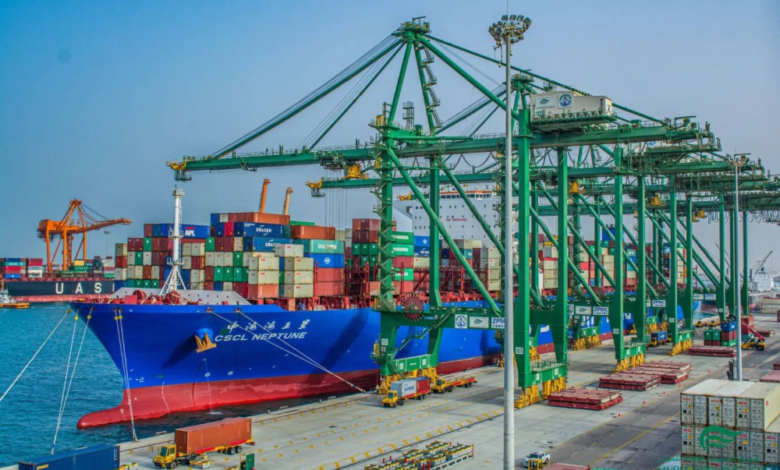

أعلنت الهيئة العامة للموانئ السعودية “موانئ” عن تأجيل تطبيق القرار القاضي بإلزامية استخدام “الطبليات” في شحن البضائع الواردة إلى المملكة عبر الحاويات، وذلك حتى إشعار آخر. ويأتي هذا القرار الاستراتيجي كخطوة استباقية لتخفيف حدة التداعيات الجيوسياسية التي يشهدها قطاع الشحن البحري العالمي، وضمان استمرارية وانسيابية سلاسل الإمداد المتجهة إلى الأسواق السعودية الحيوية.
خلفية القرار وأهدافه الاستراتيجية
يأتي هذا القرار في سياق الجهود المستمرة التي تبذلها المملكة العربية السعودية، ضمن مستهدفات رؤية 2030، لترسيخ مكانتها كمركز لوجستي عالمي رائد. وكان الهدف الأساسي من قرار إلزامية استخدام الطبليات هو رفع الكفاءة التشغيلية في الموانئ السعودية. فالطبليات، وهي هياكل خشبية أو بلاستيكية مسطحة، تعد معياراً دولياً في قطاع اللوجستيات، حيث تسهل عمليات مناولة البضائع وتفريغها باستخدام الرافعات الشوكية، مما يقلص بشكل كبير من زمن الإفراج الجمركي، ويحد من تلف البضائع، ويرفع من معايير السلامة للكوادر العاملة في الموانئ.
مرونة استراتيجية في مواجهة التحديات الدولية
أوضحت “موانئ” أن قرار التأجيل جاء كاستجابة مرنة للضغوط المتزايدة التي تواجهها خطوط الملاحة الدولية، خاصة في ظل التوترات التي تشهدها ممرات ملاحية رئيسية مثل البحر الأحمر. فإضافة متطلب إلزامي جديد في هذا التوقيت الحساس كان من الممكن أن يضيف أعباءً لوجستية ومالية على المستوردين وشركات الشحن، مما قد يؤثر على تدفق السلع الأساسية. وبهذا، يؤكد القرار حرص الهيئة على دعم القطاع الخاص وتأكيد دور المملكة كشريك تجاري موثوق ومتفهم للظروف العالمية.
تفاصيل القرار السابق والحالي
وكان من المقرر أن يبدأ التطبيق الإلزامي الكامل للقرار في الأول من شهر يونيو لعام 2026، بعد فترة تطبيق تدريجي كانت ستبدأ في يونيو 2025 لتهيئة السوق. إلا أن القرار الجديد أوقف هذا المسار الزمني. وتجدر الإشارة إلى أن التنظيم الأصلي كان قد استثنى أنواعاً معينة من البضائع التي يصعب بطبيعتها وضعها على طبليات، وتشمل هذه الاستثناءات:
- المواد السائبة الجافة والسائلة المحملة مباشرة في وسائل النقل (مثل القمح، الإسمنت، الجبس، والمواد البترولية).
- المواد الخام الواردة في أكياس “جامبو” ضخمة.
- الآلات والمعدات الثقيلة، وخطوط الإنتاج، والمولدات الكهربائية.
- المنتجات المعدنية ذات اللفائف والرولات الكبيرة، وأسياخ الحديد، والأنابيب الضخمة.
- السقالات وكتل الرخام والجرانيت والأحجار الخام قبل مرحلة التصنيع.
كما أتاحت الهيئة آلية لدراسة طلبات استثناء إضافية لأي بضائع أخرى يثبت صعوبة تحميلها على طبليات، وذلك عبر تقديم طلب رسمي يتم دراسته فنياً بالتنسيق مع هيئة الزكاة والضريبة والجمارك لاتخاذ القرار المناسب.