
Developments regarding the ceasefire between the US and Iran
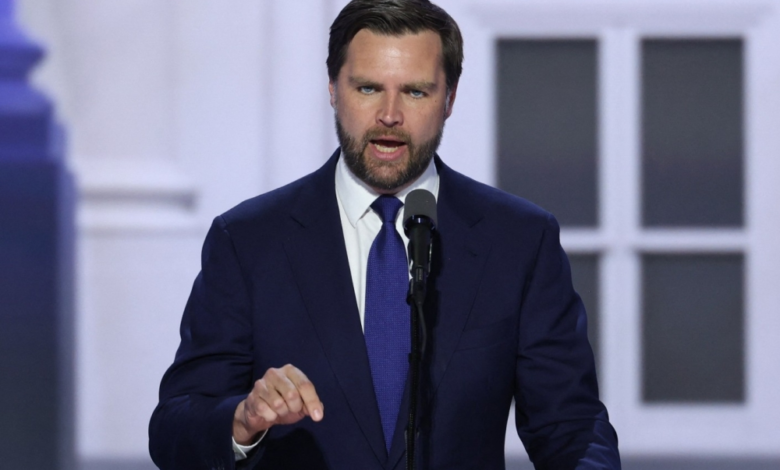
US Vice President J.D. Vancethat the current ceasefire between the United States and Iran remains intact, expressing his complete satisfaction with the stability of the current situation. In remarks carried by Al Arabiya via its official X platform, Vance explained that the Iranian side is demonstrating a clear desire to reach a new agreement with Washington. However, the US Vice President emphasized that the complex contentious issues between the two countries cannot be resolved quickly, noting a significant gap and a deep-seated lack of trust between the US and Iran that has accumulated over decades.
Trump's vision: No to partial agreements, yes to a comprehensive solution
In a related context, Vance explained that President Donald Trump completely rejects the idea of returning to small or piecemeal agreements with Tehran. Instead, Trump aspires to forge a comprehensive and large-scale agreement that addresses all contentious issues. This firm approach includes a complete ban on Iran funding and arming its proxies and allies in the Middle East. This stance stems from the historical context of Trump’s “maximum pressure” policy, which he adopted when he withdrew from the 2015 nuclear agreement (the Joint Comprehensive Plan of Action), arguing that it failed to address Iran’s ballistic missile program or its destabilizing regional influence.
A round of talks is expected in the Pakistani capital
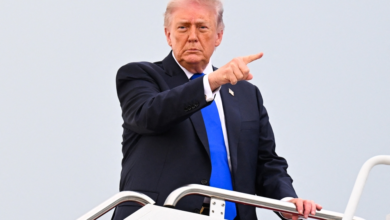
On the diplomatic front, US President Donald Trump revealed in an interview with the New York Post the possibility of a second round of US-Iranian talks in the Pakistani capital, Islamabad, within the next two days. This comes after the first round concluded last weekend without a final agreement. In a telephone interview with the newspaper's correspondent in Islamabad, Trump advised the reporter to remain there, hinting that "something could happen in the next couple of days," and emphasizing that the US administration is strongly inclined to resume negotiations in Islamabad.
Although Trump had stated in an earlier call that no further talks would be held in Pakistan, he reversed course and called the newspaper again minutes later to confirm that a return to Islamabad was now very likely. Trump attributed this change to the positive role played by Pakistan's army chief, Asim Munir, praising his efforts and describing him as "doing a fantastic job" in facilitating these complex diplomatic efforts.
The strategic importance and expected impact of the talks
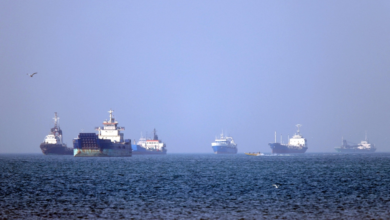
These developments are of paramount importance at the local, regional, and international levels. Regionally, any comprehensive agreement between Washington and Tehran represents a turning point that could lead to a reduction in tensions in the Middle East, particularly concerning maritime security and the de-escalation of proxy conflicts. Internationally, the world is closely watching these talks due to their direct impact on global energy markets and oil prices, as well as their role in reshaping geopolitical alliances. Pakistan's role is also emerging as a crucial player in regional diplomacy, reinforcing Islamabad's position as a mediator capable of bridging the gaps between major powers in complex international crises.