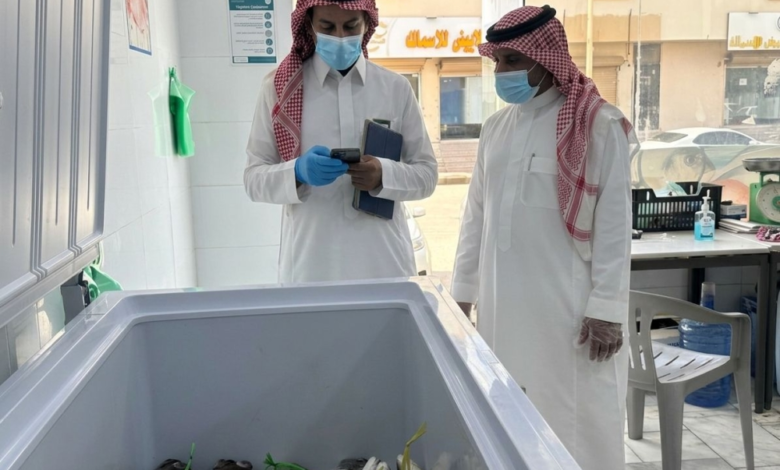

In a decisive move reflecting the Kingdom of Saudi Arabia's commitment to providing a safe and sustainable food environment, the offices of the Ministry of Environment, Water and Agriculture in Rabigh and Al-Ardiyat governorates have intensified their monitoring and inspection tours of public markets and slaughterhouses. These strategic measures aim to curb all health violations, raise the level of compliance with regulations, and ensure the safety of food products offered to consumers according to the highest international quality standards.
General context and strategic background of food control
These oversight efforts are part of the objectives of Saudi Vision 2030, specifically the Quality of Life Program, which aims to improve the level of services provided to citizens and residents. Historically, the Kingdom has given considerable attention to the food and agriculture sector, evolving its oversight mechanisms from traditional inspections to the use of the latest scientific and environmental standards to ensure that markets are free from any practices that could harm public health. The Ministry of Environment, Water and Agriculture works diligently to regulate the operation of public markets and slaughterhouses to ensure the sustainability of resources and protect public health from zoonotic diseases, which pose a direct threat to health security.
Intensifying field visits in Rabigh Governorate
In Rabigh Governorate, which enjoys a strategic location and significant population and commercial growth, the Ministry's field teams conducted intensive inspections of markets and slaughterhouses in the governorate and its affiliated centers. The Director of the Rabigh office, Engineer Radah Al-Qarzi, explained that these periodic inspections directly aim to protect consumer health. During these inspections, the quality of meat and agricultural products offered for sale is thoroughly checked, and vendors and establishments are verified to comply with approved health regulations and requirements.
Engineer Al-Qarzi also made an explicit call to all parties and operating companies to fully cooperate and strictly adhere to health requirements, stressing that this commitment is the cornerstone for ensuring a safe and sustainable food environment for everyone in the governorate’s various facilities.
Monitoring violations and improving efficiency in Al-Ardiyat Governorate
In a related development, efforts were not limited to Rabigh but extended to Al-Ardiyat Governorate. Field inspections included public markets and the central slaughterhouse in Namirah. These inspections aimed to identify any regulatory violations and address them immediately, as well as to improve operational efficiency in these vital facilities that serve a large segment of the population.
The Director of the Al-Ardiyat Office, Ahmed Al-Faqih, affirmed the continuation of regular and intensive field inspections. He indicated that the Ministry does not limit itself to oversight alone, but also places paramount importance on raising awareness to promote a culture of compliance and the application of best professional and environmental practices among workers in these markets. Al-Faqih explained that improving the quality of services provided is a top priority for the office, striving to ensure access to safe and reliable food for citizens and residents, and to achieve the highest levels of community satisfaction.
Expected impact of health monitoring (locally, regionally, and internationally)
These strict monitoring campaigns have multi-dimensional positive effects:
- At the local level: It contributes to reducing food poisoning rates, enhancing consumer confidence in local products, and supporting farmers and livestock breeders who adhere to regulations, which positively impacts the local economy of the governorates.
- At the regional and national levels: These measures support the food security index in the Kingdom, and emphasize the integration of efforts between the various branches of the Ministry to achieve a unified and effective national control system that ensures the stability of food supply chains.
- At the international level: These practices are in line with the standards of the World Health Organization (WHO) and the Food and Agriculture Organization (FAO), which enhances the Kingdom’s position as a leading country in applying the highest food and environmental safety standards.
In conclusion, the Ministry of Environment, Water and Agriculture emphasized that these measures are part of a comprehensive regulatory framework implemented by the Ministry to enhance food safety and protect public health. These ongoing efforts reflect a strong commitment to improving the efficiency of field inspections and strengthening consumer confidence in locally produced goods available in public markets, thus contributing to building a healthy and vibrant society in line with the aspirations of the wise leadership.