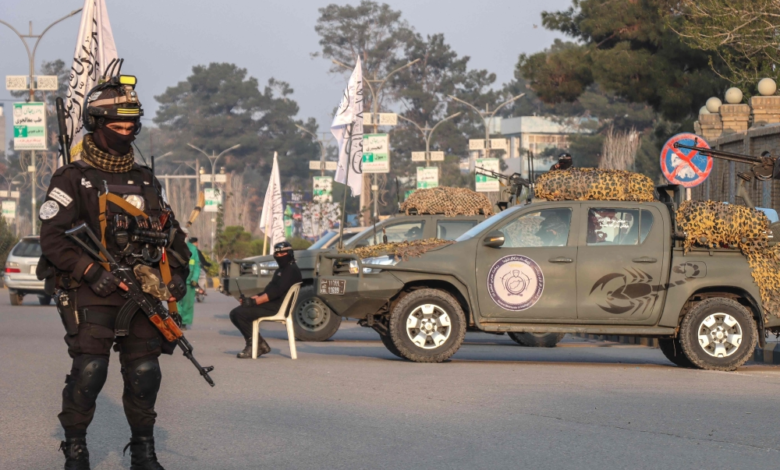

لقي شخصان على الأقل مصرعهما في اشتباكات عنيفة اندلعت بين قوات الأمن التابعة لحركة طالبان ومزارعين محليين في ولاية بدخشان شمال شرق أفغانستان. وقعت هذه المواجهات خلال حملة أمنية واسعة النطاق تهدف إلى إتلاف حقول زراعة خشخاش الأفيون، تنفيذاً لقرار حظر زراعته الذي فرضته الحركة.
وأوضح المتحدث باسم شرطة الولاية، إحسان الله كامغار، أن الاضطرابات وقعت على مدار يومي الجمعة والسبت في مديرية درايم، بعد أن حاول بعض السكان، بتحريض ممن وصفهم بـ”عصابات التهريب”، منع القوات الأمنية من أداء مهامها في تدمير المحاصيل غير القانونية. وأكدت السلطات أن الوضع الآن تحت السيطرة، لكن الحادث يسلط الضوء على التحديات الكبيرة التي تواجهها طالبان في تطبيق سياساتها الصارمة لمكافحة المخدرات.
خلفية تاريخية وسياق الأزمة
تعتبر أفغانستان منذ عقود المصدر الأكبر للأفيون في العالم، حيث شكلت زراعته وتجارته جزءاً أساسياً من اقتصاد الحرب والاقتصاد الريفي في البلاد. لعقود طويلة، اعتمد ملايين المزارعين الأفغان على زراعة الخشخاش كمصدر دخل رئيسي، خاصة في ظل غياب بدائل زراعية مجدية اقتصادياً، والجفاف المستمر، وانعدام الاستقرار. وبعد عودتها إلى السلطة في أغسطس 2021، أصدرت قيادة طالبان في أبريل 2022 مرسوماً يحظر بشكل قاطع زراعة الخشخاش وجميع أنواع المخدرات الأخرى.
الأهمية والتأثيرات المتوقعة
على الصعيد الدولي، لاقت حملة طالبان اهتماماً كبيراً، حيث أظهرت تقارير مكتب الأمم المتحدة المعني بالمخدرات والجريمة (UNODC) انخفاضاً هائلاً في زراعة الأفيون بنسبة تصل إلى 95% خلال عام 2023. هذا التراجع الدراماتيكي له القدرة على إحداث تغيير جذري في سوق الهيروين العالمي، الذي يعتمد بشكل كبير على الإنتاج الأفغاني. وقد يؤدي ذلك إلى ارتفاع الأسعار عالمياً ودفع الشبكات الإجرامية للبحث عن مصادر بديلة أو التحول إلى المخدرات الاصطناعية الأكثر خطورة.
أما على الصعيد المحلي، فإن الحظر يمثل تحدياً اقتصادياً وإنسانياً هائلاً. فالمزارعون الذين فقدوا مصدر رزقهم الرئيسي يواجهون الفقر المدقع دون وجود برامج دعم أو محاصيل بديلة توفر لهم دخلاً مماثلاً. وتعد المواجهات في بدخشان مؤشراً واضحاً على حالة السخط واليأس التي يعيشها السكان المحليون، مما قد يؤدي إلى مزيد من الاضطرابات الاجتماعية وتحدي سلطة طالبان في المناطق الريفية. إن نجاح الحملة على المدى الطويل مرهون بقدرة الحكومة على توفير حلول اقتصادية مستدامة للمجتمعات المتضررة.