
تداعيات التحذيرات الأمريكية على الأسواق العالمية
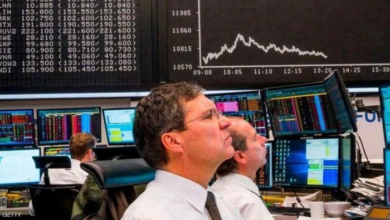
شهدت الأسواق المالية العالمية اليوم موجة من التراجعات الحادة التي طالت معظم مؤشرات الأسهم الرئيسية، بالتزامن مع قفزة ملحوظة في أسعار النفط الخام. جاءت هذه التطورات المتسارعة في أعقاب تصريحات حازمة أطلقها الرئيس الأمريكي دونالد ترمب، محذراً فيها إيران من أن “الوقت ينفد”، وذلك في ظل تعثر المفاوضات الأمريكية الإيرانية الرامية إلى إنهاء حالة الصراع بشكل دائم. هذا التصعيد الجيوسياسي أعاد خلط الأوراق في الأسواق، ليدفع المستثمرين نحو إعادة تقييم المخاطر والبحث عن الملاذات الآمنة.
السياق التاريخي والجيوسياسي للتوترات
تاريخياً، لطالما شكلت العلاقات الأمريكية الإيرانية محوراً حساساً يؤثر بشكل مباشر على استقرار أسواق الطاقة العالمية. وتعتبر منطقة الشرق الأوسط، وتحديداً مضيق هرمز، شرياناً حيوياً يمر عبره جزء كبير من إمدادات النفط العالمية. أي تصعيد أو تلويح بعمل عسكري أو عقوبات صارمة في هذه المنطقة يؤدي فوراً إلى ما يُعرف بـ “علاوة المخاطر الجيوسياسية”، حيث يسارع المتداولون إلى شراء عقود النفط تحوطاً من أي انقطاع محتمل في الإمدادات. هذه الديناميكية ليست جديدة، بل تكررت في عدة أزمات سابقة، مما يجعل الأسواق شديدة الحساسية لأي تصريح يصدر عن البيت الأبيض بشأن طهران.
أسواق النفط تسجل قفزات سعرية
استجابةً للمنشور الذي شاركه الرئيس ترمب عبر منصات التواصل الاجتماعي، شهدت أسواق النفط ارتفاعات فورية. فقد صعد سعر خام برنت القياسي بنسبة 1.9% ليصل إلى 111.31 دولار للبرميل، وهو ارتفاع كبير مقارنة بمستويات تقارب 70 دولاراً التي كانت سائدة قبل اندلاع الأزمة في 28 فبراير الماضي. وفي الاتجاه ذاته، ارتفع خام غرب تكساس الوسيط الأمريكي بنسبة 2.3% ليبلغ 107.83 دولار للبرميل، مما يعكس مخاوف حقيقية من نقص الإمدادات في الأسواق العالمية.
تباين وتراجع في مؤشرات الأسهم العالمية
على صعيد أسواق المال، ألقت التوترات بظلالها السلبية على شهية المخاطرة لدى المستثمرين. فقد تراجعت العقود الآجلة للأسهم الأمريكية، وانخفضت الأسواق في اليابان وكوريا الجنوبية متخلية عن مستوياتها القياسية التي سجلتها الأسبوع الماضي.
وفي التفاصيل الآسيوية، هبط مؤشر “نيكي 225” الياباني بنسبة 1% ليستقر عند 60,815.95 نقطة، بضغط رئيسي من أسهم قطاع التكنولوجيا التي قادت التراجعات، وذلك بعد أن كان المؤشر قد اخترق حاجز 63 ألف نقطة لأول مرة في تاريخه. كما تراجع مؤشر “هانج سينج” في هونج كونج بنسبة 1.1% إلى 25,675.18 نقطة، وانخفض مؤشر شنغهاي المركب بنسبة 0.1% إلى 4,131.53 نقطة. في المقابل، تمكن مؤشر “كوسبي” الكوري الجنوبي من عكس خسائره المبكرة ليغلق مرتفعاً بنسبة 0.3% عند 7,516.04 نقطة.
أما في أوروبا، فقد تباينت الأداءات في التعاملات المبكرة؛ حيث ارتفع مؤشر “فوتسي 100” البريطاني بشكل طفيف بنسبة 0.1% ليصل إلى 10,205.31 نقطة. بينما تراجع مؤشر “كاك 40” الفرنسي بنسبة 0.9% إلى 7,883.42 نقطة، وانخفض مؤشر “داكس” الألماني بنسبة 0.1% إلى 23,925.82 نقطة. وفي أستراليا، هبط مؤشر “S&P/ASX 200” بنسبة 1.5% إلى 8,505.30 نقطة، وتراجع مؤشر تايكس التايواني بنسبة 0.7%، بينما ارتفع مؤشر سينسيكس الهندي بنسبة طفيفة تقل عن 0.1%.
أسواق السندات والعملات تعكس مخاوف التضخم
التأثير الاقتصادي الأعمق ظهر جلياً في أسواق السندات، حيث أدى ارتفاع أسعار الطاقة إلى تعزيز توقعات التضخم، مما دفع عوائد السندات للارتفاع. قفز العائد على سندات الخزانة الأمريكية لأجل 10 سنوات إلى نحو 4.63% مقارنة بـ 4.47% يوم الخميس الماضي، متجاوزاً مستويات ما قبل الأزمة. وفي اليابان، ارتفع العائد على السندات الحكومية لأجل 10 سنوات إلى 2.8%، وهو أعلى مستوى يسجله منذ أواخر تسعينيات القرن الماضي، مدفوعاً بتوقعات رفع أسعار الفائدة.
وفي أسواق الصرف الأجنبي، عزز الدولار الأمريكي موقعه، حيث ارتفع مقابل الين الياباني ليصل إلى 159.02 ين مقارنة بـ 158.62 ين. كما شهد اليورو ارتفاعاً طفيفاً أمام الدولار ليصل إلى 1.1626 دولار مقارنة بـ 1.1622 دولار.
التأثير المتوقع على الاقتصاد العالمي
إن استمرار هذه التوترات ينذر بتداعيات اقتصادية واسعة النطاق. فارتفاع أسعار النفط يهدد بزيادة تكاليف الإنتاج والنقل، مما يغذي معدلات التضخم العالمية التي تحاول البنوك المركزية جاهدة كبحها. هذا السيناريو قد يجبر صناع السياسة النقدية على الإبقاء على أسعار الفائدة مرتفعة لفترة أطول، مما يضغط بدوره على أرباح الشركات ويحد من النمو الاقتصادي العالمي، وهو ما يفسر بشكل مباشر عمليات البيع المكثفة التي تشهدها أسواق الأسهم، وخاصة أسهم النمو والتكنولوجيا التي تتأثر بشدة ببيئة أسعار الفائدة المرتفعة.