
تحذيرات صندوق النقد الدولي من تقلبات الأسواق
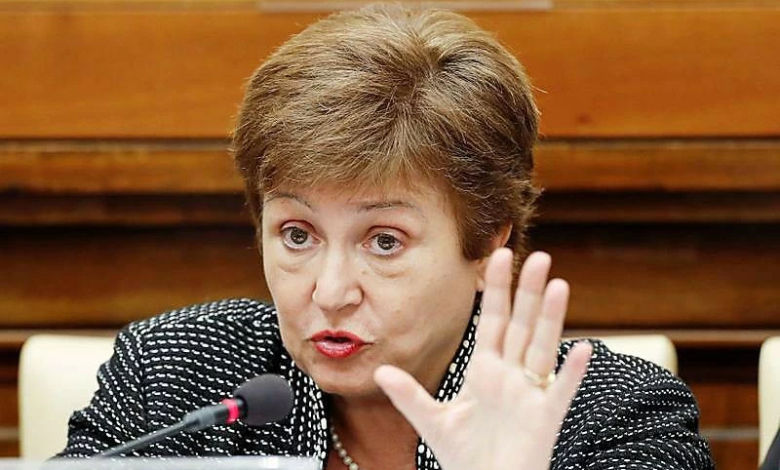
أكدت كريستالينا جورجيفا، مديرة صندوق النقد الدولي، أن موجة البيع المكثفة التي تضرب أسواق السندات العالمية في الوقت الراهن هي انعكاس مباشر للارتفاع الملحوظ في أسعار النفط. ويأتي هذا الارتفاع مدفوعاً بتصاعد التوترات الجيوسياسية المرتبطة بالحرب الدائرة في منطقة الشرق الأوسط، والتي ألقت بظلالها على سلاسل الإمداد وتكاليف الطاقة.
السياق الاقتصادي: العلاقة بين النفط والسندات
تاريخياً، لطالما كانت أسعار الطاقة محركاً أساسياً لمعدلات التضخم العالمية. فعندما ترتفع أسعار النفط، تزيد تكاليف الإنتاج والنقل، مما ينعكس على أسعار السلع النهائية. هذا التضخم المستورد يجبر البنوك المركزية على الإبقاء على أسعار الفائدة مرتفعة لفترات أطول للسيطرة على الأسعار. وفي عالم المال، ترتبط أسعار السندات بعلاقة عكسية مع أسعار الفائدة؛ فكلما ارتفعت الفائدة، انخفضت قيمة السندات الحالية، مما يدفع المستثمرين إلى موجات بيع واسعة للتخلص منها تجنباً للخسائر، وهو ما يفسر الحالة التي تشهدها الأسواق اليوم.
اجتماعات مجموعة السبع في باريس
وجاءت تصريحات جورجيفا فور وصولها إلى العاصمة الفرنسية باريس للمشاركة في اجتماعات وزراء مالية مجموعة الدول الصناعية السبع (G7). وتكتسب هذه الاجتماعات أهمية بالغة في السياق الحالي، حيث تُعد منصة حيوية لتنسيق السياسات الاقتصادية والنقدية بين كبرى اقتصادات العالم. ومن المتوقع أن تتصدر أزمة أسواق السندات وتداعيات أسعار الطاقة جدول أعمال هذه الاجتماعات، وسط مساعٍ حثيثة لطمأنة الأسواق ومنع حدوث أزمات سيولة.
إجراءات أوروبية لاحتواء الموقف
وفي سياق متصل، تسعى الدول الأوروبية إلى احتواء الموقف وبث رسائل طمأنة. فقد صرح وزير المالية الفرنسي، رولان ليسكور، في مقابلة مع وكالة «بلومبيرغ»، بأن دول مجموعة السبع تعمل على توجيه رسالة واضحة للأسواق مفادها أنها تتابع التحركات عن كثب ومستعدة لاتخاذ الإجراءات المناسبة عند الضرورة. وشدد ليسكور على نقطة جوهرية، معتبراً أن ما تمر به السوق حالياً هو «مرحلة تصحيح لا انهيار»، مما يعكس محاولة لتهدئة مخاوف المستثمرين.
من جانبها، لم تكن البنوك المركزية الأوروبية بعيدة عن المشهد. فقد أكدت كريستين لاغارد، رئيسة البنك المركزي الأوروبي، أن مؤسستها تراقب عن كثب تحركات أسواق السندات وتأثيراتها المحتملة على تكاليف الاقتراض في منطقة اليورو. وفي ذات السياق، شدد رئيس البنك المركزي الألماني على الأهمية القصوى لمتابعة تأثير هذه التطورات السريعة على الاستقرار المالي، خاصة وأن الاقتصاد الأوروبي يتأثر بشدة بتقلبات أسعار الطاقة العالمية.
التأثير المتوقع على المستويين الدولي والمحلي
أما على صعيد التأثير المتوقع، فإن استمرار هذه الموجة البيعية يحمل تداعيات واسعة. دولياً، سيؤدي ذلك إلى ارتفاع تكلفة خدمة الدين العام للعديد من الدول، مما يضغط على ميزانياتها ويقلص من قدرتها على الإنفاق التنموي. وإقليمياً، ورغم استفادة الدول المصدرة للنفط من ارتفاع الأسعار، إلا أن تباطؤ النمو العالمي قد يحد من هذه المكاسب على المدى الطويل. ومحلياً، ستنعكس هذه التوترات على الشركات والأفراد من خلال ارتفاع تكلفة القروض، مما يستوجب حذراً شديداً في إدارة السياسات النقدية خلال المرحلة المقبلة.