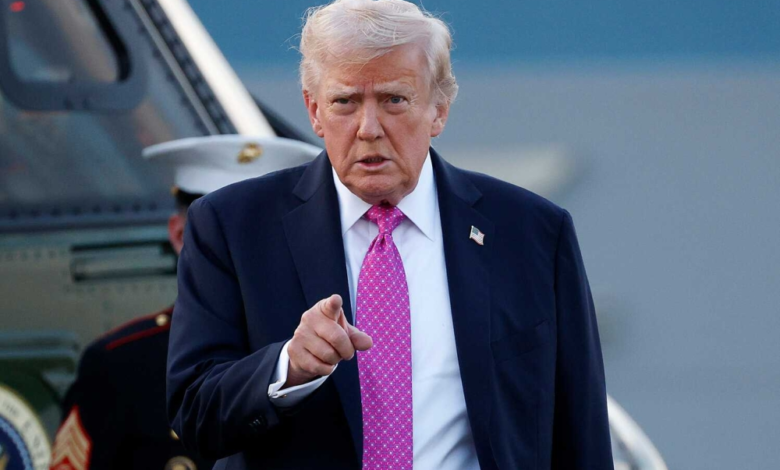

New US escalation: Trump brandishes military force
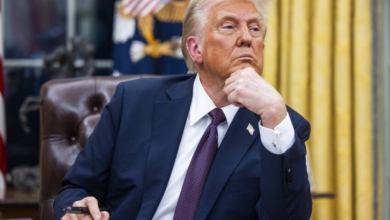
In a significant escalation reflecting a return to the "maximum pressure" policy, US President Donald Trump issued a strongly worded warning to Tehran, threatening unprecedented military strikes should the upcoming negotiations between the two sides in the Pakistani capital, Islamabad, fail. These statements come amidst a temporary ceasefire agreement, placing the entire region on edge and holding the international community's breath as it awaits the outcome of these sensitive talks.
Details of US warnings and military preparations
According to the New York Post, Trump asserted that his administration is not merely issuing verbal threats, but taking concrete steps on the ground. "We are currently loading ships with the best munitions, the best weapons ever made," Trump stated. He clearly indicated that this arsenal surpasses even those used in previous conflicts, adding firmly, "Even better than what we did before when we tore them to pieces." He concluded his warning by emphasizing that unless a comprehensive and satisfactory agreement is reached, the United States will use these weapons "very effectively.".
JD Vance's role and the negotiations in Pakistan
These threats coincide with intense diplomatic activity, as US Vice President J.D. Vance traveled to Islamabad to prepare for the upcoming round of negotiations with Iranian officials. Pakistan, by virtue of its geographic location and complex regional relationships, plays a pivotal role as a neutral venue for these talks. Vance delivered a clear message to Tehran, warning against any attempts to "manipulate" Washington or stall for time, reflecting the US administration's two-pronged strategy: diplomacy backed by the threat of direct military action.
The historical context of US-Iranian relations
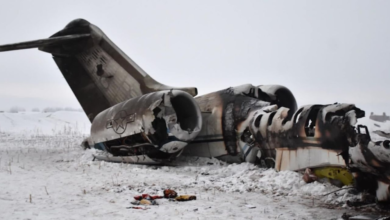
To understand the dimensions of this escalation, it is necessary to return to the historical context of relations between Washington and Tehran, especially during the Trump administration. His policies were characterized by the withdrawal from the Iran nuclear deal (the Joint Comprehensive Plan of Action) in 2018 and the imposition of crippling economic sanctions as part of the “maximum pressure” campaign. This period also witnessed a peak in military tensions in January 2020, which explains Trump’s reference to the use of force. This history lends credibility to the current threats in the eyes of international observers.
Potential regional and international impacts
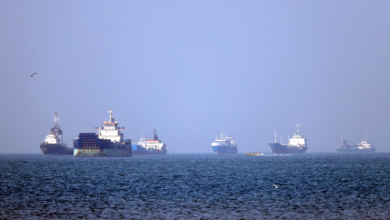
This event is of paramount importance and has far-reaching implications. Regionally, any potential military escalation raises concerns among Washington's allies in the Arabian Gulf and threatens to ignite a proxy war that could draw in armed factions from several Arab states. Internationally, any tension in the vicinity of the Strait of Hormuz—through which a fifth of the world's oil consumption passes—will inevitably lead to severe disruptions in global energy markets and a dramatic surge in oil prices, threatening a global economy already grappling with successive inflationary crises.
The future of the temporary truce and Tehran's options
Given these circumstances, Tehran finds itself facing difficult choices. It must either make significant concessions during the Islamabad negotiations to preserve the temporary truce and avoid a military strike that could devastate its infrastructure, or maintain its position and risk an open confrontation with the American war machine. The next few days will be crucial in determining the course of the Middle East, either toward a new political settlement or a slide into a disastrous military conflict.