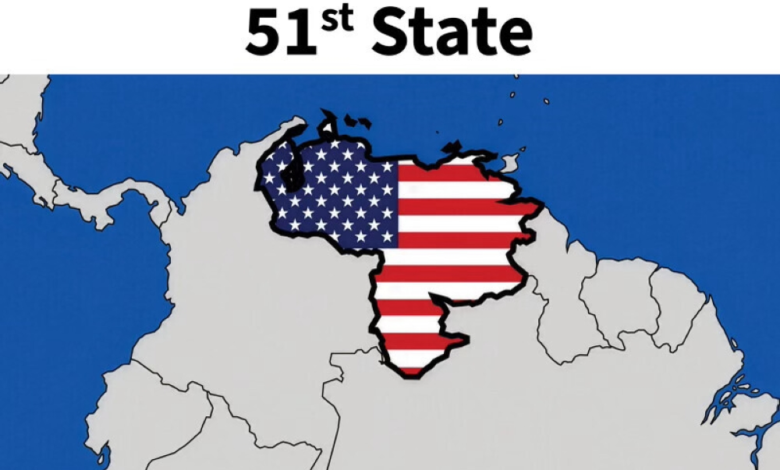

أثار الرئيس الأمريكي السابق دونالد ترامب عاصفة من الجدل على منصات التواصل الاجتماعي بعد نشره صورة مثيرة للجدل على منصته “تروث سوشال”. الصورة، التي تم تداولها على نطاق واسع، تظهر خريطة فنزويلا وقد غُرس عليها علم أمريكي صغير، مصحوبة بتعليق مقتضب من كلمتين: “الولاية 51”.
يأتي هذا المنشور ليعيد إلى الأذهان سياسة “الضغط الأقصى” التي تبنتها إدارة ترامب تجاه فنزويلا، والتي هدفت إلى الإطاحة بحكومة الرئيس نيكولاس مادورو عبر فرض عقوبات اقتصادية خانقة ودعم المعارضة السياسية. ورغم أن المنشور قد يبدو للوهلة الأولى مجرد استفزاز إعلامي، إلا أنه يكتسب أهمية خاصة في ظل السياق المعقد للعلاقات بين البلدين.
السياق العام والخلفية التاريخية للحدث
تعود جذور التوتر بين الولايات المتحدة وفنزويلا إلى عهد الرئيس الراحل هوغو تشافيز، الذي قاد ما أسماه “الثورة البوليفارية” ذات التوجهات الاشتراكية والمناهضة للإمبريالية الأمريكية. تصاعد هذا التوتر بشكل حاد في عهد خلفه نيكولاس مادورو، حيث واجهت فنزويلا أزمة اقتصادية وإنسانية غير مسبوقة، تفاقمت بفعل العقوبات الأمريكية التي استهدفت قطاع النفط الحيوي، شريان الحياة للاقتصاد الفنزويلي.
خلال فترة رئاسته، لم يتردد ترامب في التلويح بجميع الخيارات، بما في ذلك الخيار العسكري، للتعامل مع كاراكاس. وقد اعترفت إدارته، إلى جانب عشرات الدول الأخرى، بزعيم المعارضة خوان غوايدو رئيسًا مؤقتًا للبلاد في عام 2019، في محاولة فاشلة لعزل مادورو عن السلطة.
أهمية الحدث وتأثيره المتوقع
على الصعيد المحلي في فنزويلا، يُستخدم مثل هذا الخطاب من قبل حكومة مادورو كدليل على “الأطماع الإمبريالية” الأمريكية، مما يساعدها على حشد قاعدتها الشعبية وتصوير أي معارضة داخلية على أنها “خيانة للوطن”. في المقابل، قد يرى بعض أطياف المعارضة في هذه التلميحات إشارة إلى استمرار الدعم الأمريكي لقضيتهم.
إقليميًا، تثير تصريحات ترامب قلق دول أمريكا اللاتينية التي ترفض تاريخيًا أي شكل من أشكال التدخل الخارجي في شؤونها، وتفضل الحلول الدبلوماسية للأزمات. أما دوليًا، فإن أي تصعيد في الخطاب أو السياسة تجاه فنزويلا، التي تمتلك أكبر احتياطيات نفطية مؤكدة في العالم، يمكن أن يكون له تداعيات على استقرار أسواق الطاقة العالمية، خاصة في ظل التوترات الجيوسياسية الحالية.
رد الفعل الفنزويلي الرسمي
لم يتأخر الرد من كاراكاس، حيث أكدت نائبة الرئيس الفنزويلي، ديلسي رودريغيز، بشكل قاطع أن بلادها لن تكون أبدًا “الولاية 51” للولايات المتحدة. وفي تصريحات سابقة، شددت رودريغيز على سيادة فنزويلا واستقلالها، قائلة: “إذا كان هناك شيء يميزنا نحن الفنزويليين، فهو أننا نحب مسار استقلالنا، ونحب أبطال وبطلات استقلالنا”.
يأتي هذا الرفض في وقت تحاول فيه الحكومة الفنزويلية الحالية اتخاذ خطوات حذرة لتحسين العلاقات مع واشنطن، بما في ذلك إعادة فتح قطاعي النفط والتعدين أمام الشركات الأجنبية، في محاولة لتخفيف وطأة الأزمة الاقتصادية. وبالتالي، فإن منشور ترامب لا يمثل فقط تحديًا للسيادة الفنزويلية، بل قد يعقد أيضًا أي جهود دبلوماسية مستقبلية بين البلدين.