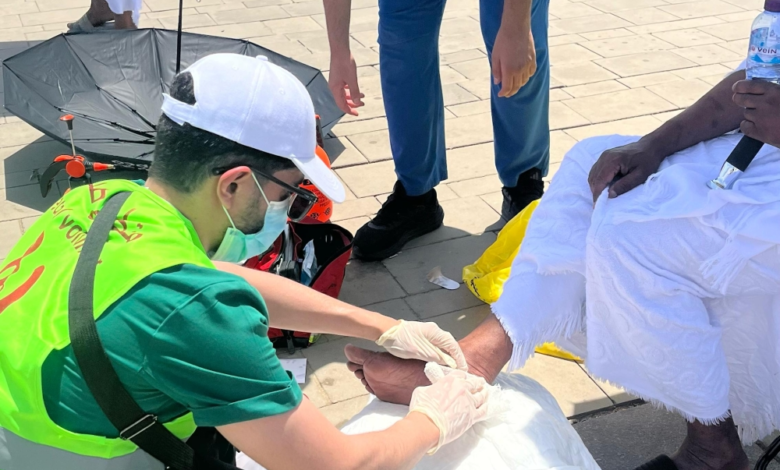

في إطار الجهود المتواصلة لضمان صحة وسلامة حجاج بيت الله الحرام، أعلنت الجمعية الخيرية للرعاية الصحية الأولية “درهم وقاية” عن انطلاق النسخة الثامنة عشرة من “البرنامج الصحي التطوعي” لخدمة ضيوف الرحمن في موسم الحج الحالي. يأتي هذا البرنامج الطموح، الذي يجمع بين الخبرات الأكاديمية والجهود الحكومية والقطاع غير الربحي، بمشاركة واسعة من متطوعين يمثلون أكثر من 30 جامعة محلية ودولية من مختلف الكليات الصحية، بهدف تقديم رعاية ميدانية ووقائية متكاملة في المشاعر المقدسة.
خلفية تاريخية وأهمية الرعاية الصحية في الحج
يُعد موسم الحج أكبر تجمع بشري سنوي في العالم، حيث يفد إليه ملايين المسلمين من كل فج عميق، مما يفرض تحديات لوجستية وصحية فريدة. وعلى مر العقود، أولت المملكة العربية السعودية اهتماماً بالغاً بتطوير منظومة الخدمات الصحية المقدمة للحجاج، مستثمرةً في بنية تحتية متطورة وكوادر طبية مؤهلة. ويأتي العمل التطوعي كرافد أساسي لهذه المنظومة، حيث يجسد قيم التكافل الإسلامي ويساهم في سد الفجوات وتقديم خدمات مرنة وسريعة الاستجابة، وهو ما يتماشى مع مستهدفات رؤية المملكة 2030 الرامية إلى زيادة أعداد المتطوعين وتفعيل دور القطاع غير الربحي في التنمية المجتمعية.
تفاصيل البرنامج ومبادراته الميدانية
أوضح الدكتور جاسر الشهري، رئيس مجلس إدارة الجمعية، أن البرنامج يُنفذ بشراكة استراتيجية مع وزارة الصحة، والتجمع الصحي بمكة المكرمة ممثلاً بمدينة الملك عبدالله الطبية، وجامعة أم القرى، وبإشراف مباشر من وزارتي الحج والعمرة والصحة، والمركز الوطني لتنمية القطاع غير الربحي لضمان تطبيق أعلى معايير الجودة.
وتشمل أبرز المبادرات الميدانية لهذا العام:
- عيادات صحية متكاملة: تشغيل أربع عيادات صحية على طريق المشاة بين مشعري عرفات ومزدلفة للسنة الثانية على التوالي، لتقديم الخدمات العلاجية للحالات الطارئة.
- وحدات متنقلة: تفعيل العيادات المتنقلة لإجراء الفحص الأولي والتعامل الفوري مع الحالات الأكثر شيوعاً كالإجهاد الحراري، وضربات الشمس، ومشاكل القدم، ومتابعة حالات المصابين بالأمراض المزمنة.
- الوقاية أولاً: ترسيخ مفهوم “الوقاية قبل العلاج” عبر فرق التوعية الصحية التي تجوب مخيمات الحجاج لتقديم الإرشادات والنصائح الطبية اللازمة.
تأثير البرنامج وأبعاده الوطنية والدولية
لا يقتصر تأثير البرنامج على تقديم الرعاية المباشرة للحجاج فحسب، بل يمتد ليشمل أبعاداً أوسع. فعلى الصعيد المحلي، يوفر البرنامج منصة فريدة لطلاب وطالبات الكليات الصحية لصقل مهاراتهم وتطبيق معارفهم في بيئة عمل ميدانية متخصصة في طب الحشود، مما يساهم في بناء جيل جديد من الكوادر الصحية المؤهلة. أما على الصعيد الدولي، فإن مشاركة جامعات عالمية تعزز من تبادل الخبرات وأفضل الممارسات في إدارة التجمعات البشرية الضخمة، وتقدم للعالم نموذجاً مشرفاً للعمل الإنساني والتطوعي المنظم في المملكة. وقد تُوّجت هذه الجهود مؤخراً بحصول البرنامج على المركز الأول بجائزة التميز في خدمة ضيوف الرحمن خلال مؤتمر ومعرض الحج لعام 2025، مما يعكس نجاحه وريادته في هذا المجال الحيوي.