King Fahd Causeway health facilities are ready to receive pilgrims for the year 1445 AH

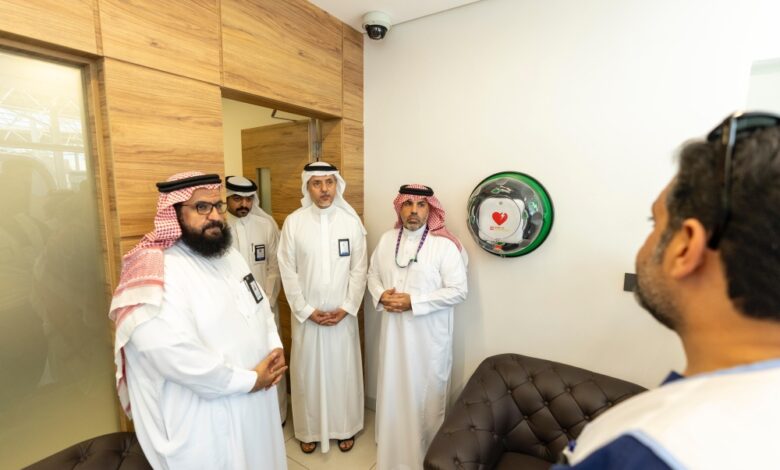
As part of the intensive preparations for the 1445 AH Hajj season, the CEO of the Eastern Health Cluster, Dr. Abdulaziz Al-Ghamdi, conducted an inspection tour of the health monitoring center at the King Fahd Causeway border crossing, which connects the Kingdom of Saudi Arabia with the Kingdom of Bahrain. Dr. Al-Ghamdi was accompanied on this tour by the Director General of the Ministry of Health branch in the region, Mr. Alwan Al-Shamrani, and the Executive Director of the Public Health Authority's "Weqaya" branch in the Eastern Sector, Dr. Abdulrahman Abu Dahesh, to assess the level of readiness and preparations in place to receive pilgrims.
A comprehensive evaluation of the health services provided
The inspection tour included reviewing the center's operations and evaluating the procedures in place to ensure the provision of the best possible healthcare services to pilgrims. Emphasis was placed on the efficiency of the qualified staff, the medical equipment, and the modern technologies that contribute to expediting preventive and treatment procedures without delay, thus ensuring a safe and healthy environment that enables pilgrims to perform their rituals with ease and peace of mind.
Background and strategic importance of the port
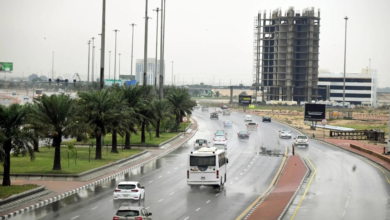
The King Fahd Causeway is a vital artery and a major land crossing, not only for trade and economic exchange between the two brotherly nations, but also as a key gateway for pilgrims arriving from the Kingdom of Bahrain and other Gulf Cooperation Council (GCC) countries. Health monitoring centers at border crossings are of paramount strategic importance, representing the first line of defense in the national health security system. The importance of these centers has increased significantly in the wake of global health challenges, making them a cornerstone in preventing the entry of infectious diseases and protecting the public health of citizens, residents, and visitors to the Kingdom.
Local, regional and international impact
Domestically, this visit reflects the high level of integration and coordination among various health and governmental entities in the Eastern Province, and underscores the Kingdom's commitment to dedicating all its resources to serving pilgrims. Regionally, these preparations highlight the Kingdom's keenness to facilitate the Hajj pilgrimage for its brothers and sisters in the Gulf Cooperation Council countries, and to strengthen joint cooperation to ensure a safe and healthy Hajj season for all. Internationally, Saudi Arabia's efforts in managing crowds and providing healthcare to millions of pilgrims from around the world are considered a leading model in managing major global events and contribute directly to enhancing global health security.
Integrated efforts across multiple channels
It is worth noting that the Eastern Health Cluster oversees the operation of four vital land border crossings during the Hajj season. These include, in addition to the King Fahd Causeway, the Salwa border crossing with Qatar, the Rub' al Khali border crossing with Oman, and the Al-Batha border crossing with the United Arab Emirates, as well as a major air gateway: King Fahd International Airport in Dammam. These integrated efforts are part of a comprehensive plan aimed at implementing the highest standards of quality and health safety to serve pilgrims, in line with the objectives of the Kingdom's Vision 2030.