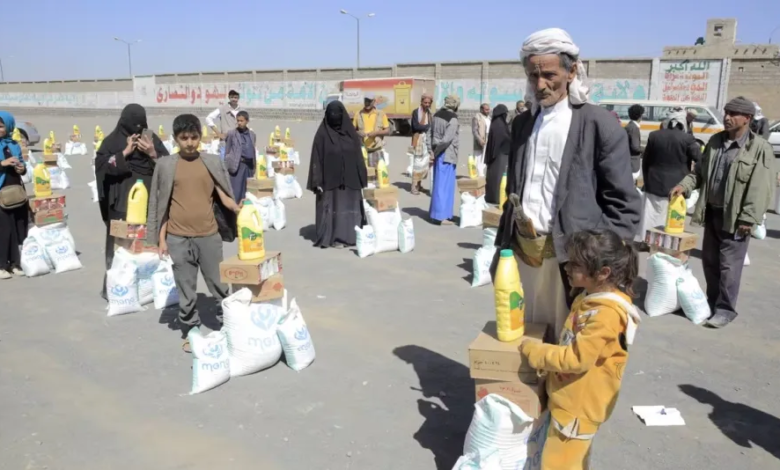

تتصاعد التحذيرات الدولية والمحلية بشكل غير مسبوق حول اقتراب اليمن من مجاعة كارثية، حيث تواجه ملايين الأسر خطر الموت جوعاً. منظمات أممية، على رأسها برنامج الأغذية العالمي (WFP) ومنظمة الأغذية والزراعة (FAO)، دقت ناقوس الخطر مجدداً، مؤكدة أن نافذة تفادي الكارثة تضيق بسرعة في ظل استمرار النزاع وتفاقم الأزمة الاقتصادية ونقص التمويل الحاد لعمليات الإغاثة.
خلفية الأزمة: سنوات من الصراع والانهيار
تعود جذور هذه الأزمة الإنسانية، التي وصفتها الأمم المتحدة مراراً بأنها “الأسوأ في العالم”، إلى النزاع الدائر في البلاد منذ أواخر عام 2014. أدى الصراع إلى تدمير ممنهج للبنية التحتية، وانهيار شبه كامل للقطاعات الحيوية مثل الصحة والتعليم، وتوقف صرف رواتب موظفي القطاع العام في العديد من المناطق. كما أدى الحصار المفروض والقيود على حركة الملاحة التجارية إلى صعوبة استيراد المواد الأساسية التي يعتمد عليها اليمن بنسبة تصل إلى 90%، بما في ذلك الغذاء والوقود والدواء، مما فاقم من معاناة السكان ودفع بأسعار السلع إلى مستويات قياسية لا يمكن للمواطن العادي تحملها.
التأثير المدمر على الصعيد المحلي
على الصعيد المحلي، تظهر آثار الأزمة بشكل مأساوي في حياة اليمنيين اليومية. تشير التقارير إلى ارتفاع معدلات سوء التغذية الحاد، خاصة بين الأطفال والنساء الحوامل، حيث باتت صور الأطفال الهزيلين رمزاً للمعاناة الإنسانية في البلاد. لمواجهة الجوع، تضطر الأسر إلى اللجوء لآليات تكيف مدمرة، مثل بيع ما تبقى من ممتلكاتهم، أو إخراج أطفالهم من المدارس، أو تزويج الفتيات في سن مبكرة. هذا الوضع لا يهدد حياة الملايين فحسب، بل يقضي أيضاً على مستقبل جيل كامل، ويفكك النسيج الاجتماعي الذي كان متماسكاً قبل الحرب.
أبعاد إقليمية ودولية للكارثة
لا تقتصر تداعيات المجاعة الوشيكة على الداخل اليمني، بل تمتد لتهدد الاستقرار الإقليمي والدولي. يمكن أن يؤدي تفاقم الأزمة إلى موجات نزوح ولجوء جديدة تزيد الضغط على دول الجوار. كما أن انهيار الدولة اليمنية بالكامل قد يخلق فراغاً أمنياً تستغله الجماعات المتطرفة، مما يهدد أمن الممرات الملاحية الدولية الحيوية في البحر الأحمر ومضيق باب المندب. على الصعيد الدولي، تمثل الأزمة اختباراً حقيقياً للإرادة السياسية للمجتمع الدولي، حيث إن الفشل في منع المجاعة سيعتبر وصمة عار جماعية، ويكشف عن عجز المنظومة الدولية في حماية المدنيين وقت النزاعات.
دعوات عاجلة لإنقاذ ما يمكن إنقاذه
في مواجهة هذا الواقع المرير، يشدد الخبراء والمسؤولون الأمميون على أن المساعدات الإنسانية وحدها، رغم أهميتها، ليست كافية. الحل المستدام يكمن في وقف فوري لإطلاق النار، ورفع القيود عن الواردات والمساعدات الإنسانية، وضخ دعم اقتصادي عاجل لتحقيق استقرار العملة المحلية، والأهم من ذلك، الانخراط الجاد في عملية سياسية شاملة تنهي الحرب وتعيد لليمنيين أمنهم واستقرارهم. إن الوقت ينفد، وكل يوم تأخير يعني المزيد من الأرواح التي تزهق بصمت بسبب الجوع.