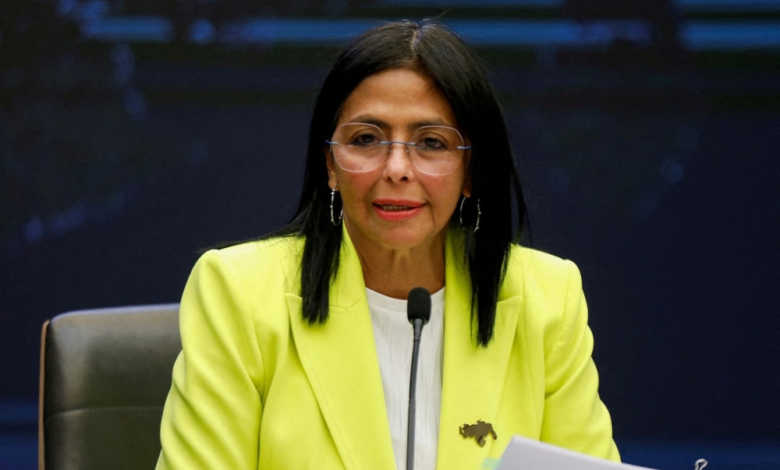

جددت نائبة الرئيس الفنزويلي، ديلسي رودريجيز، التأكيد على موقف بلادها السيادي والرافض لأي شكل من أشكال الهيمنة الخارجية، وذلك في رد حاسم على تصريحات الرئيس الأمريكي السابق دونالد ترامب، التي ألمح فيها إلى إمكانية أن تصبح فنزويلا الولاية الأمريكية الحادية والخمسين. وأكدت رودريجيز أن فنزويلا، بتاريخها النضالي من أجل الاستقلال، لن تتخلى عن سيادتها أبدًا.
وجاءت تصريحات رودريجيز خلال جلسة في محكمة العدل الدولية في لاهاي، حيث كانت تدافع عن موقف فنزويلا في نزاعها الحدودي مع غويانا حول منطقة إيسيكويبو الغنية بالنفط. ورداً على سؤال حول تلميحات ترامب، قالت: “هذا الأمر غير مطروح إطلاقًا، لأنه إن كان هناك ما يميزنا نحن الفنزويليين، فهو أننا نحب مسار استقلالنا، ونحب أبطال وبطلات استقلالنا”.
خلفية التوتر بين كاراكاس وواشنطن
تعود جذور التوتر في العلاقات الفنزويلية الأمريكية إلى عقود مضت، لكنها تفاقمت بشكل كبير مع وصول هوغو تشافيز إلى السلطة عام 1999 وبدء ما عُرف بـ”الثورة البوليفارية”. اتخذت العلاقات منحى أكثر عدائية في عهد الرئيس الحالي نيكولاس مادورو، حيث فرضت الولايات المتحدة سلسلة من العقوبات الاقتصادية والسياسية القاسية على كاراكاس، بهدف الضغط لتغيير النظام. شملت هذه العقوبات حظرًا على قطاع النفط الحيوي، وتجميد أصول الدولة الفنزويلية في الخارج، واستهداف مسؤولين حكوميين بارزين.
وقد أدت هذه السياسة إلى قطع العلاقات الدبلوماسية بين البلدين في عام 2019، عندما اعترفت إدارة ترامب بزعيم المعارضة آنذاك خوان غوايدو رئيسًا مؤقتًا لفنزويلا، وهو ما رفضته حكومة مادورو بشدة واعتبرته تدخلاً سافرًا في شؤونها الداخلية.
أهمية التصريحات وتأثيرها المتوقع
تكتسب تصريحات كل من ترامب ورودريجيز أهمية خاصة في ظل السياق السياسي الحالي. على الصعيد المحلي في فنزويلا، تستخدم حكومة مادورو مثل هذه التصريحات لتعزيز الشعور الوطني وحشد الدعم الشعبي ضد ما تصفه بـ”الإمبريالية الأمريكية”، خاصة مع اقتراب موعد الانتخابات الرئاسية. أما على المستوى الإقليمي، فإن هذا السجال يعكس الاستقطاب المستمر في أمريكا اللاتينية بين الحكومات اليسارية التي ترفض النفوذ الأمريكي، والدول المتحالفة مع واشنطن.
دوليًا، تثير هذه التوترات اهتمام القوى العالمية مثل روسيا والصين، اللتين تدعمان حكومة مادورو سياسيًا واقتصاديًا. كما أن أي تغيير في السياسة الأمريكية تجاه فنزويلا، التي تمتلك أكبر احتياطيات نفطية مؤكدة في العالم، له تداعيات مباشرة على أسواق الطاقة العالمية واستقرارها. ورغم أن إدارة بايدن خففت بعض العقوبات النفطية مؤخرًا في محاولة لتشجيع الحوار السياسي، إلا أن تصريحات ترامب تشير إلى إمكانية عودة سياسة “الضغط الأقصى” إذا فاز في الانتخابات المقبلة، مما يضيف طبقة جديدة من عدم اليقين لمستقبل العلاقات بين البلدين.