
تصعيد الضغوط على طهران
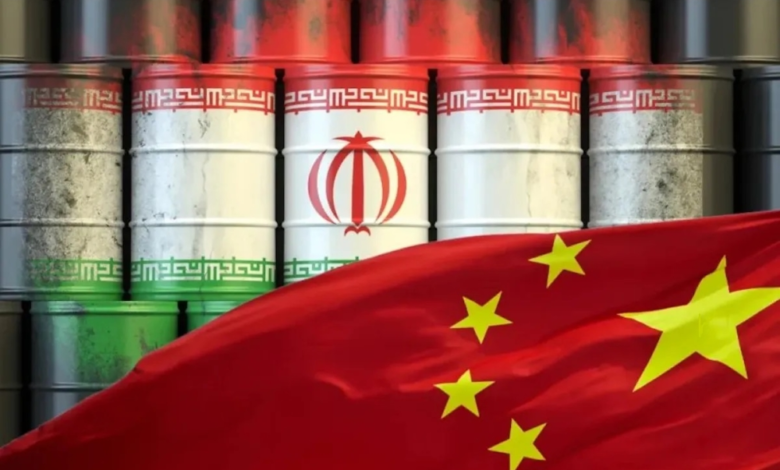
في خطوة جديدة لزيادة الضغط الاقتصادي على إيران، أعلنت وزارة الخزانة الأمريكية عن فرض حزمة عقوبات جديدة تستهدف شبكة دولية متورطة في تسهيل عمليات تصدير النفط الإيراني إلى الصين. وشملت العقوبات، بحسب بيان الوزارة، ثلاثة أفراد وتسع شركات مرتبطة بإيران، متهمة إياهم بلعب دور محوري في تمكين طهران من الالتفاف على العقوبات الدولية القائمة وبيع نفطها في الأسواق العالمية، وتحديداً للسوق الصيني الذي يعد الشريان الاقتصادي الأهم لإيران حالياً.
وأكد وزير الخزانة الأمريكي في تصريحاته أن الولايات المتحدة ستواصل استهداف وتعطيل كافة شبكات التمويل التي يعتمد عليها النظام الإيراني. وأضاف: “نحن مستمرون في حرمان إيران من مصادر دخلها وعزلها عن الشبكات المالية الدولية لمنعها من تمويل أنشطتها المزعزعة للاستقرار في المنطقة وبرنامجها النووي”.
خلفية تاريخية للعقوبات النفطية
تأتي هذه الإجراءات ضمن سياق طويل من العقوبات الأمريكية التي تهدف إلى تقييد قدرة إيران على تصدير النفط، والذي يمثل المصدر الرئيسي لعائدات الدولة. وقد اشتدت هذه السياسة بشكل كبير بعد انسحاب الولايات المتحدة من الاتفاق النووي (خطة العمل الشاملة المشتركة) في عام 2018، حيث أعادت واشنطن فرض عقوبات صارمة على قطاعي الطاقة والبنوك في إيران. ومنذ ذلك الحين، لجأت طهران إلى استخدام شبكات معقدة من الشركات الوهمية وناقلات النفط التي تعمل في الخفاء (ما يعرف بـ”الأسطول الشبحي”) لنقل شحناتها إلى عدد قليل من المشترين، وفي مقدمتهم الصين.
الأهمية الاستراتيجية والتأثير المتوقع
تكتسب هذه العقوبات أهميتها من كونها تستهدف العلاقة التجارية الحيوية بين إيران والصين. فعلى الصعيد المحلي الإيراني، تهدف العقوبات إلى خنق الاقتصاد الإيراني وتقليص الموارد المالية المتاحة للحكومة، مما قد يؤثر على قدرتها على تمويل الحرس الثوري وبرامجها العسكرية. أما على الصعيد الإقليمي، فتسعى واشنطن من خلال هذه الخطوات إلى الحد من نفوذ إيران في الشرق الأوسط عبر تجفيف منابع تمويل وكلائها في المنطقة.
دولياً، تمثل هذه العقوبات رسالة واضحة إلى بكين والشركات الصينية التي تتعامل مع النفط الإيراني، محذرة إياها من العواقب المحتملة لمخالفة العقوبات الأمريكية. ورغم أن الصين ترفض رسمياً هذه العقوبات وتعتبرها “أحادية الجانب”، إلا أن استهداف الشركات والأفراد المشاركين في هذه التجارة يرفع من درجة المخاطرة ويعقد العمليات اللوجستية والمالية. وتأتي هذه الخطوة في وقت تتزامن فيه مع إجراءات مماثلة من حلفاء واشنطن، حيث فرضت بريطانيا أيضاً عقوبات على كيانات وأفراد على صلة بإيران بتهمة الضلوع في أنشطة عدائية، مما يعكس تنسيقاً غربياً متزايداً للضغط على طهران على جبهات متعددة.