
أهمية الالتزام بالمعايير الصحية للأضاحي
مع اقتراب موسم الحج وعيد الأضحى المبارك، تتجه أنظار المسلمين في المملكة العربية السعودية ومختلف أنحاء العالم الإسلامي نحو أداء شعيرة الأضحية. وفي هذا السياق، دعت وزارة البيئة والمياه والزراعة حجاج بيت الله الحرام والمستفيدين كافة إلى ضرورة الالتزام التام بالإرشادات الصحية والبيطرية عند اختيار الأضاحي. يهدف هذا الإجراء الاستباقي إلى ضمان جودة اللحوم المقدمة وتعزيز مستويات الوقاية الصحية خلال هذا الموسم العظيم الذي يشهد إقبالاً مليونياً.
السياق الديني والتاريخي لتنظيم شعيرة الأضحية
تعتبر الأضحية من أهم الشعائر الإسلامية التي يتقرب بها المسلمون إلى الله تعالى، إحياءً لسنة النبي إبراهيم عليه السلام. تاريخياً، كان الحجاج يواجهون تحديات تنظيمية وبيئية كبيرة في عمليات الذبح والتخلص من المخلفات، مما كان يؤثر سلباً على البيئة والصحة العامة. ولكن مع التطور الشامل الذي تشهده المملكة العربية السعودية، تم تنظيم هذه الشعيرة بشكل مؤسسي من خلال إنشاء مسالخ حديثة ومجهزة بأعلى المعايير العالمية في مكة المكرمة والمشاعر المقدسة، وتوفير كوادر بيطرية متخصصة لفحص المواشي قبل وبعد الذبح، مما يعكس حرص القيادة على سلامة ضيوف الرحمن وتسهيل أداء مناسكهم.
علامات دقيقة حددتها وزارة البيئة لاختيار الأضحية
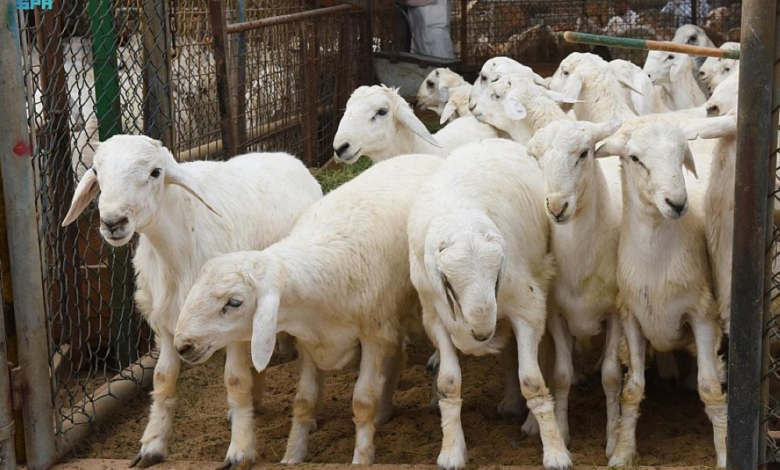
أوضحت الوزارة أن اختيار أضحية سليمة يمثل خطوة جوهرية لتحقيق الممارسات الآمنة وتجنب الأمراض المشتركة بين الإنسان والحيوان. وقد حددت جملة من العلامات الدقيقة التي يجب على المشتري التحقق منها قبل إتمام عملية الشراء، وتتضمن ما يلي:
- سلامة الجهاز التنفسي: يجب التأكد من خلو أنف الأضحية من أي إفرازات غير طبيعية، وسلامة تنفسها، وعدم وجود أي أعراض للسعال أو النهجان المستمر.
- الفحص الظاهري للجلد: شددت الوزارة على ضرورة فحص الأضحية للتأكد من خلوها من الدمامل، أو الجروح العميقة، أو الخراجات الخارجية التي قد تدل على وجود التهابات.
- النشاط والحيوية: من أهم العلامات التي أكدت عليها الوزارة هي مراقبة نشاط الماشية وحيويتها. دعت الإرشادات إلى تجنب شراء الأضحية التي تظهر عليها علامات الخمول، أو الانعزال عن بقية القطيع، أو الضعف العام.
الأثر المحلي والدولي للالتزام بالمعايير الصحية
بيّنت وزارة البيئة والمياه والزراعة أن اتباع هذه المعايير العلمية والبيطرية يسهم بشكل فعال في رفع مستوى الوعي الصحي لدى الحجاج والمواطنين والمقيمين. على المستوى المحلي، يضمن هذا الالتزام التعامل السليم مع الأضاحي، ويحمي البيئة من التلوث الناتج عن الممارسات الخاطئة.
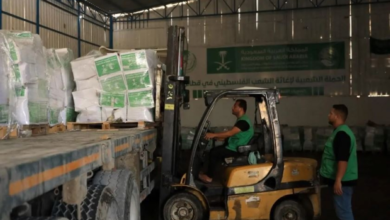
أما على الصعيدين الإقليمي والدولي، فإن تطبيق هذه الإرشادات ينعكس بشكل مباشر وإيجابي على الصحة العامة العالمية. فموسم الحج يجمع ملايين البشر من مختلف قارات العالم، وضمان سلامة الغذاء واللحوم يمنع انتقال الأمراض والأوبئة، ويضمن عودة الحجاج إلى بلدانهم بسلام. كما أن اللحوم التي يتم توزيعها دولياً عبر مشروع المملكة للإفادة من الهدي والأضاحي تصل إلى المستحقين في الدول الإسلامية وهي بأعلى معايير الجودة والسلامة.
ختاماً، لفتت الوزارة إلى أن الوعي المجتمعي هو خط الدفاع الأول، وأن تطبيق هذه الإرشادات ينعكس بشكل مباشر وإيجابي على الصحة العامة وسلامة البيئة خلال موسم الحج.