
وزير التعليم يدشن مرحلة جديدة للبيئة المدرسية في العاصمة المقدسة
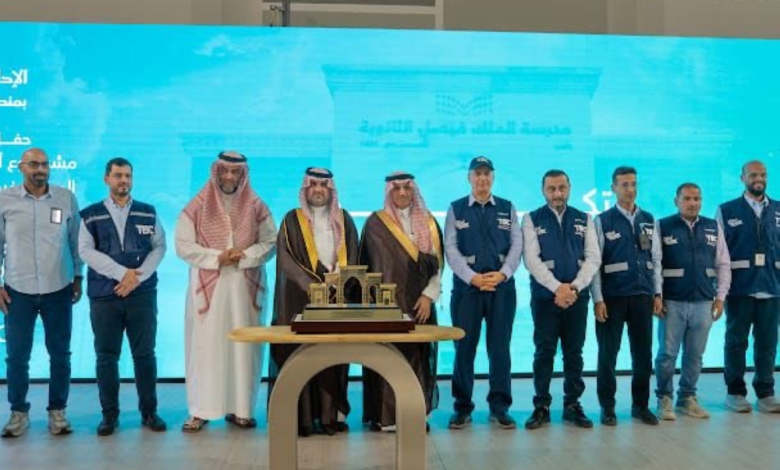
في خطوة استراتيجية تعكس التطور المستمر في قطاع التعليم السعودي، دشن وزير التعليم الأستاذ يوسف البنيان، مبادرة “أنسنة المدارس” في العاصمة المقدسة. وجاء هذا التدشين بحضور شخصيات بارزة، من أهمها الرئيس التنفيذي للهيئة الملكية لمدينة مكة المكرمة والمشاعر المقدسة المهندس صالح الرشيد، والمدير العام للتعليم بمنطقة مكة المكرمة الأستاذ عبدالله الغنام. وتعد هذه المبادرة نموذجاً أولياً رائداً يهدف إلى تعزيز الاستدامة ورفع مستوى جودة الحياة داخل البيئات التعليمية ومحيطها، بما يتواكب بشكل وثيق مع مستهدفات رؤية المملكة العربية السعودية 2030، وتحديداً برنامج جودة الحياة الذي يسعى إلى تحسين المشهد الحضري في مدن المملكة.
الخلفية التاريخية والتحول نحو الانفتاح المجتمعي
تاريخياً، اتسمت تصاميم المباني المدرسية في المملكة العربية السعودية والمنطقة العربية بوجود أسوار خرسانية عالية وتقليدية، كانت تهدف في المقام الأول إلى توفير الخصوصية والأمان. إلا أن التوجهات الحديثة في التخطيط العمراني التربوي أثبتت أن انفتاح المدرسة على محيطها المجتمعي يخلق بيئة أكثر تفاعلية وإيجابية. من هنا، تأتي أهمية هذه المبادرة التي تكسر الصورة النمطية للمدرسة ككيان معزول، وتحولها إلى مركز مجتمعي نابض بالحياة. إن إزالة الأسوار التقليدية واستبدالها بتصاميم معاصرة لا يساهم فقط في تحسين المشهد البصري، بل يعزز من شعور الانتماء لدى الطلاب وسكان الحي على حد سواء، ويجعل من المدرسة جزءاً لا يتجزأ من النسيج العمراني.
تفاصيل المشروع وأرقام تعكس حجم الإنجاز
تسعى المبادرة بشكل أساسي إلى تحسين الواجهات الخارجية للمباني التعليمية لتتوافق مع الهوية العمرانية العريقة والمميزة لمكة المكرمة. وقد أوضح المدير العام للتعليم بمنطقة مكة المكرمة، عبدالله الغنام، أن هذا التدشين شهد استعراضاً مفصلاً للمكونات الميدانية للمشروع. يمتد المشروع في مرحلته الحالية على مساحة تتجاوز 3100 متر مربع من المسطحات الخضراء، إلى جانب إنشاء ممرات مخصصة للمشاة بطول يقارب 1000 متر. هذه المساحات ليست مجرد إضافات تجميلية، بل هي حدائق مستدامة تخدم سكان الأحياء المجاورة، وتسهل حركة العابرين، وتوفر متنفساً طبيعياً يعزز من الصحة العامة والنشاط البدني.
الأثر المتوقع محلياً وإقليمياً
على الصعيد المحلي، من المتوقع أن تترك مبادرة أنسنة المدارس في مكة أثراً عميقاً في رفع الوعي البيئي لدى الطلاب والمجتمع التعليمي المحيط. إن دمج الطبيعة في البيئة المدرسية يساهم في تقليل التوتر وتحسين التحصيل العلمي للطلاب. أما على الصعيد الإقليمي، فإن هذا المشروع يضع معياراً جديداً لتصميم المرافق التعليمية في الشرق الأوسط، حيث يبرز أهمية الشراكة التكاملية بين الجهات الحكومية، كما هو الحال بين وزارة التعليم والهيئة الملكية لمدينة مكة المكرمة. يمثل هذا النموذج المرحلة الأولى ضمن خطة تطويرية شاملة تستهدف عدداً من المدارس الواقعة على الشوارع الرئيسة بمكة، مما يجسد الاهتمام البالغ بتطوير المرافق التعليمية وفق أعلى المعايير العالمية الحديثة التي تراعي الجوانب الجمالية والإنسانية.