
تفاصيل حادث حريق محطة الغاز في بيكاسي
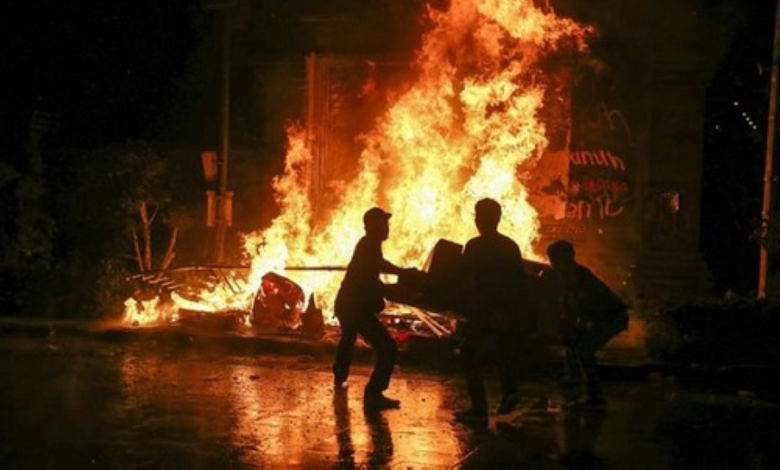
في حادث مأساوي يسلط الضوء مجدداً على تحديات السلامة الصناعية، اندلع حريق هائل في محطة لتعبئة الغاز الطبيعي المسال في مدينة بيكاسي، الواقعة في مقاطعة جاوة الغربية بإندونيسيا. وأسفر هذا الحادث المروع عن إصابة 12 شخصاً بجروح متفاوتة، دون تسجيل أي حالات وفاة حتى اللحظة، وفقاً للتقارير الرسمية الصادرة عن السلطات المحلية.
جهود الإنقاذ وإدارة الكوارث الإقليمية
وأكد مصدر مسؤول في وكالة إدارة الحوادث والكوارث الإقليمية في إندونيسيا أن فرق الإطفاء والإنقاذ سارعت إلى موقع الحادث فور تلقي البلاغ للسيطرة على النيران. وأوضح المصدر أن المصابين الاثني عشر يتلقون حالياً الرعاية الطبية اللازمة في المستشفيات والمراكز الصحية القريبة. ويمتد موقع المحطة المتضررة على مساحة ضخمة تقدر بنحو 2000 متر مربع، حيث لا تزال عمليات تقييم الأضرار المادية وحصر الخسائر جارية على قدم وساق، بالتزامن مع استمرار جهود الإغاثة وتأمين المنطقة بالكامل لمنع وقوع أي انفجارات ارتدادية قد تهدد حياة السكان المجاورين.
السياق العام: أهمية الغاز المسال في إندونيسيا
تعتبر إندونيسيا واحدة من أكبر الدول المستهلكة للغاز البترولي المسال (LPG) في القطاع المنزلي على مستوى منطقة جنوب شرق آسيا. وتعتمد ملايين الأسر الإندونيسية على هذا الوقود بشكل يومي لأغراض الطهي، وذلك نتيجة لبرنامج حكومي استراتيجي بدأ منذ أكثر من عقد لتحويل استهلاك المواطنين من الكيروسين إلى الغاز المسال. هذا الاعتماد الكثيف يجعل من محطات التعبئة المنتشرة في المدن الكبرى، مثل بيكاسي التي تعد من أهم المدن الصناعية والتابعة للعاصمة جاكرتا، بنية تحتية حيوية لا غنى عنها لاستقرار الحياة اليومية.
الخلفية التاريخية وتحديات السلامة الصناعية
تاريخياً، واجهت إندونيسيا تحديات مستمرة فيما يتعلق بتطبيق معايير السلامة الصارمة في المنشآت النفطية والغازية. فقد شهدت البلاد في السنوات القليلة الماضية حوادث مشابهة، لعل أبرزها الحرائق التي اندلعت في مصافي تكرير النفط ومستودعات الوقود الكبرى. وتدفع هذه الحوادث المتكررة، بما فيها حريق بيكاسي الأخير، الجهات الحكومية والرقابية إلى ضرورة إعادة النظر في بروتوكولات الأمن والسلامة المهنية، خاصة في المنشآت الحساسة التي تقع بالقرب من التجمعات السكنية الكثيفة.
التأثيرات المتوقعة للحادث
على الصعيد المحلي، من المتوقع أن يؤدي إغلاق هذه المحطة المتضررة إلى اضطراب مؤقت في سلاسل توريد وتوزيع اسطوانات الغاز المسال للمناطق المحيطة في بيكاسي. أما على الصعيد الإقليمي والوطني، فإن مثل هذه الحوادث تشكل ضغطاً إضافياً على صناع القرار لتشديد الرقابة وتطبيق معايير صارمة على محطات التعبئة الخاصة والعامة. كما تبرز أهمية الاستثمار العاجل في تكنولوجيا الإنذار المبكر وأنظمة الإطفاء الذاتية للحد من الخسائر البشرية والمادية في قطاع الطاقة الحيوي.