Saudi Defense Minister and his Swedish counterpart discuss military cooperation

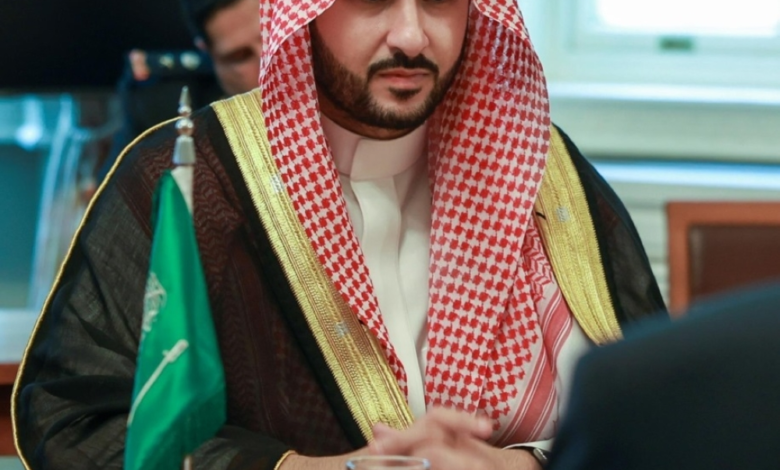
In a move reflecting the deepening relations between the Kingdom of Saudi Arabia and the Kingdom of Sweden, His Royal Highness Prince Khalid bin Salman bin Abdulaziz, Minister of Defense, held a telephone conversation with His Excellency Mr. Paul Jonsson, Swedish Minister of Defense. The call addressed ways to enhance bilateral cooperation between the two countries, particularly in the defense and military fields, in addition to discussing key regional and international developments and joint efforts to consolidate security and stability.
A changing strategic context and historical background
This contact comes at a crucial time, marked by strategic shifts for both countries. On the one hand, Saudi Arabia, within the framework of its Vision 2030, seeks to diversify its international partnerships and localize its military industries, making cooperation with technologically advanced countries like Sweden a strategic choice. On the other hand, Sweden has abandoned its historical policy of neutrality by formally joining NATO in March 2024, reshaping its defense policy and opening new avenues for military cooperation with non-NATO partners, including influential regional powers like Saudi Arabia.
The importance of the meeting and its expected impact
The significance of this communication lies in its paving the way for a stronger defense partnership between Riyadh and Stockholm. Future areas of cooperation are expected to include the exchange of military expertise, the possibility of joint manufacturing projects in the field of defense technology, and the organization of joint military exercises. Regionally, the discussions focused on current developments that are impacting the stability of the region, most notably the war in Gaza and its humanitarian consequences, and the escalating tensions in the Red Sea that threaten international maritime security. The exchange of views on these sensitive issues reflects the two countries' commitment to coordinating their efforts to contribute to de-escalation and finding peaceful solutions that guarantee the security of the region and the world. This rapprochement sends a clear message about the importance of diplomacy and dialogue in addressing complex global challenges, and underscores the pivotal role the Kingdom plays as a stabilizing force in the Middle East, as well as Sweden's desire, as a new NATO member, to build bridges of cooperation with key international partners.