
نفي إيراني قاطع لادعاءات طلب وقف إطلاق النار
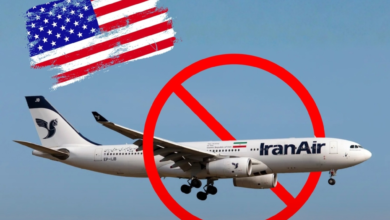
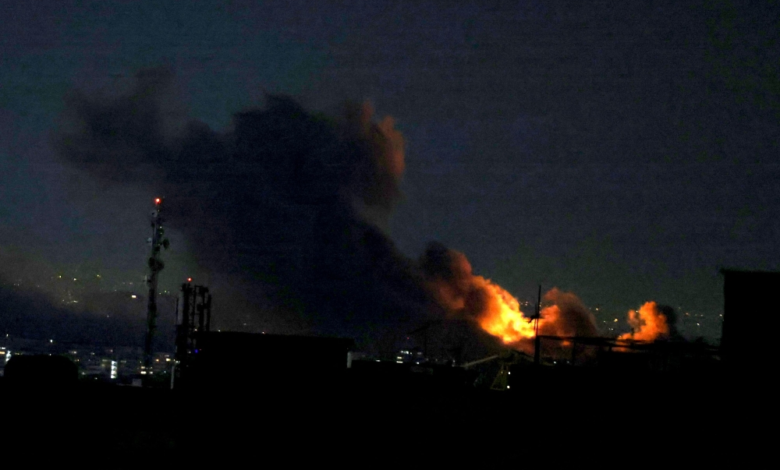
أكدت وزارة الخارجية الإيرانية، يوم الأربعاء، في بيان رسمي، نفيها القاطع للتصريحات التي أدلى بها الرئيس الأميركي دونالد ترامب، والتي زعم فيها أن طهران تقدمت بطلب رسمي للولايات المتحدة من أجل وقف إطلاق النار في ظل التصعيد العسكري المستمر منذ أكثر من شهر. ووصفت طهران هذه التصريحات بأنها “كاذبة ولا أساس لها من الصحة على الإطلاق”، مشددة على أن الموقف الإيراني ثابت ولم يشهد أي تغييرات تستدعي تقديم طلبات استسلام أو تهدئة من هذا القبيل.
تفاصيل تصريحات ترامب حول مضيق هرمز
وكان دونالد ترامب قد صرح في وقت سابق بأن “رئيس النظام الإيراني الجديد قد طلب للتو من الولايات المتحدة الأميركية وقفاً لإطلاق النار”. ولم يكتفِ ترامب بهذا الادعاء، بل أضاف شروطاً صارمة للقبول بهذا الطلب المزعوم، قائلاً: “سننظر في ذلك الطلب فقط عندما يكون مضيق هرمز مفتوحاً وحراً وآمناً للملاحة الدولية. وحتى يحين ذلك الوقت، سنواصل قصف إيران حتى يتم القضاء عليها بالكامل”. تعكس هذه التصريحات استمرار النهج المتشدد والخطاب التصعيدي الذي طالما تبناه ترامب تجاه طهران.
السياق العام والخلفية التاريخية للتوترات
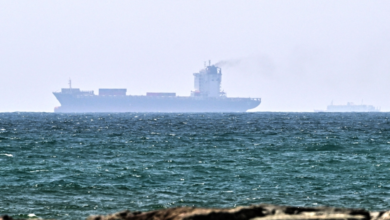
تأتي هذه التطورات في سياق تاريخي طويل من التوترات المعقدة بين واشنطن وطهران، والتي بلغت ذروتها خلال فترة رئاسة ترامب السابقة. ففي عام 2018، انسحبت الولايات المتحدة بشكل أحادي من الاتفاق النووي الإيراني (خطة العمل الشاملة المشتركة)، وأعادت فرض عقوبات اقتصادية قاسية ضمن ما عُرف بسياسة “الضغوط القصوى”. وقد أدت هذه السياسة إلى تصعيد كبير في منطقة الخليج العربي، حيث تبادل الطرفان الاتهامات بتهديد أمن الملاحة البحرية. ويُعد مضيق هرمز، الذي أشار إليه ترامب في تصريحاته، أحد أهم الممرات المائية الاستراتيجية في العالم، حيث يمر عبره نحو خُمس استهلاك العالم من النفط، مما يجعله نقطة اشتعال دائمة في النزاعات الإقليمية والدولية.
أهمية الحدث وتأثيره المتوقع إقليمياً ودولياً
تحمل هذه التصريحات والردود المتبادلة تداعيات بالغة الأهمية على مستويات عدة. على الصعيد الإقليمي، تزيد مثل هذه الخطابات من حالة عدم اليقين الأمني في منطقة الشرق الأوسط، وتضع الدول المجاورة في حالة تأهب تحسباً لأي تصعيد عسكري قد يعطل حركة الملاحة في الخليج العربي. أما على الصعيد الدولي، فإن أي تهديد يمس أمن مضيق هرمز ينعكس فوراً على أسواق الطاقة العالمية، مما قد يؤدي إلى تقلبات حادة في أسعار النفط، وهو ما يثير قلق القوى الاقتصادية الكبرى التي تعتمد على استقرار إمدادات الطاقة. وفي النهاية، تؤكد هذه السجالات السياسية والإعلامية أن أزمة الثقة بين الولايات المتحدة وإيران لا تزال عميقة، وأن الوصول إلى تسوية دبلوماسية شاملة لا يزال يواجه عقبات تاريخية وجيوسياسية بالغة التعقيد.