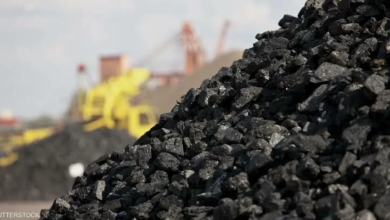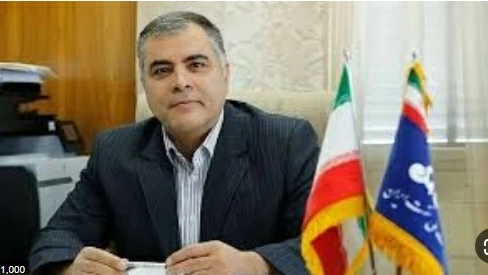

أقر وزير النفط الإيراني بوجود “مشكلات” تواجه قطاع النفط الحيوي في البلاد، مؤكداً أن طهران تعمل بشكل مستمر على تنفيذ “إجراءات مضادة” للتغلب على هذه التحديات، التي تعود بشكل أساسي إلى العقوبات الأمريكية المشددة المفروضة على صادراتها النفطية. ويأتي هذا الاعتراف في سياق حرب اقتصادية معقدة وضغوط جيوسياسية متصاعدة في منطقة الخليج.
وأوضح الوزير، في تصريحات نقلها التلفزيون الإيراني، أن القطاع واجه صعوبات ملحوظة منذ إعادة فرض الحصار الأمريكي، لكنه شدد على صمود بلاده قائلاً: “خلال فترة من التوتر الشديد، لم ينخفض إنتاجنا، واستمرت الصادرات كما ينبغي. وبطبيعة الحال، واجهنا صعوبات في الأيام التي تلت الحصار. وقد اتُخذت تدابير، ولا تزال هذه التدابير سارية”.
خلفية تاريخية: من الاتفاق النووي إلى سياسة الضغط الأقصى
تعود جذور الأزمة الحالية إلى قرار إدارة الرئيس الأمريكي السابق دونالد ترامب في عام 2018 بالانسحاب من خطة العمل الشاملة المشتركة (الاتفاق النووي) المبرمة عام 2015. كان هذا الاتفاق قد رفع العقوبات الدولية عن إيران مقابل قيود على برنامجها النووي، مما سمح لصادراتها النفطية بالانتعاش. إلا أن الانسحاب الأمريكي أعقبه تطبيق سياسة “الضغط الأقصى” التي استهدفت تصفير صادرات النفط الإيرانية، مما أدى إلى خنق شريان الحياة الرئيسي للاقتصاد الإيراني الذي يعتمد بشكل كبير على عائدات النفط لتمويل ميزانيته.
التأثيرات الاقتصادية والجيوسياسية
على الصعيد المحلي، أدت العقوبات إلى انكماش اقتصادي حاد، وتدهور قيمة العملة المحلية، وارتفاع معدلات التضخم، مما أثر بشكل مباشر على حياة المواطنين. ورغم هذه الضغوط، طورت إيران آليات معقدة للتحايل على العقوبات، بما في ذلك استخدام شبكة من الناقلات “الشبح” التي تخفي هويتها ومواقعها، وتقديم خصومات كبيرة للمشترين المتبقين، وأبرزهم الصين.
إقليمياً ودولياً، أدت هذه المواجهة إلى تصاعد التوترات في ممرات الملاحة الحيوية مثل مضيق هرمز، الذي يمر عبره خُمس النفط العالمي. كما أن غياب النفط الإيراني بشكل كبير عن الأسواق الرسمية يؤثر على ديناميكيات العرض والطلب العالمية، ويمنح منظمة “أوبك+” مساحة أكبر للتأثير على الأسعار. وتأتي هذه التطورات في ظل تعثر المفاوضات الرامية لإحياء الاتفاق النووي، حيث تصر إيران على رفع كامل للعقوبات كشرط أساسي للعودة إلى الامتثال الكامل ببنود الاتفاق.
وتتزامن هذه التصريحات مع تقارير عن رصد بقعة نفط قبالة جزيرة “خارك” الإيرانية، التي تعد أحد أهم موانئ تصدير النفط في البلاد، مما يثير مخاوف إضافية بشأن سلامة البنية التحتية النفطية في ظل الضغوط التشغيلية والتوترات المستمرة في المنطقة.