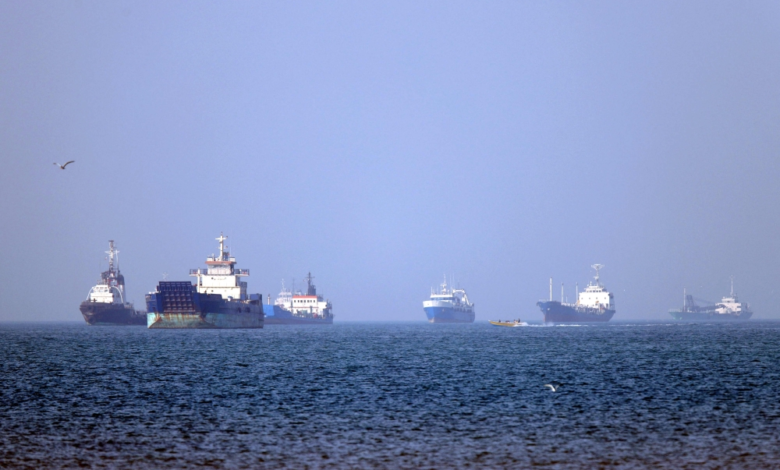

أطلق مسؤول رفيع في الأمم المتحدة تحذيراً عاجلاً، مؤكداً أن العالم يقف على شفا أزمة إنسانية كارثية، حيث لم يتبق سوى بضعة أسابيع لتجنب مجاعة قد تطال عشرات الملايين من البشر. ويأتي هذا التحذير في ظل المخاوف المتصاعدة من استمرار إغلاق مضيق هرمز، الشريان الحيوي للتجارة العالمية، أمام شحنات الأسمدة الأساسية للزراعة العالمية.
تصريحات أممية تدق ناقوس الخطر
صرح خورخي موريرا دا سيلفا، المدير التنفيذي لمكتب الأمم المتحدة لخدمات المشاريع (UNOPS) ورئيس فريق العمل المعني بالأزمة، في مقابلة مع وكالة فرانس برس: “أمامنا بضعة أسابيع فقط لمنع ما يُرجح أن يكون أزمة إنسانية ضخمة”. وأضاف بلهجة تحذيرية قوية: “قد نشهد أزمة تُجبر 45 مليون شخص إضافي على مواجهة المجاعة”، مشدداً على أن الوقت ينفد بسرعة ويتطلب تحركاً دولياً فورياً لتأمين الممرات الملاحية وضمان تدفق الإمدادات الحيوية.
مضيق هرمز: أهمية استراتيجية وتاريخ من التوترات
يُعد مضيق هرمز أحد أهم الممرات المائية في العالم، حيث يربط بين الخليج العربي وخليج عُمان، ومن خلاله يمر ما يقارب خُمس استهلاك النفط العالمي. لكن أهميته لا تقتصر على الطاقة فقط، بل يمثل أيضاً معبراً رئيسياً لشحنات السلع الأساسية، بما في ذلك الأسمدة والمواد الغذائية. ونظراً لموقعه الجغرافي الحساس، كان المضيق على الدوام مسرحاً للتوترات الجيوسياسية في منطقة الشرق الأوسط، حيث أدت التهديدات بإغلاقه في مناسبات عدة إلى زعزعة استقرار الأسواق العالمية ورفع مستويات التأهب الأمني الدولي.
التأثير المتوقع: من أزمة أسمدة إلى كارثة غذائية عالمية
يكمن الخطر الأكبر في أن منع مرور شحنات الأسمدة عبر المضيق سيؤدي إلى شلّ القطاع الزراعي في العديد من دول العالم التي تعتمد على هذه الواردات لتعزيز إنتاجها من المحاصيل. فالأسمدة تلعب دوراً حاسماً في تحقيق الأمن الغذائي من خلال زيادة غلة الأراضي الزراعية. وأي نقص في هذه المادة الحيوية سيؤدي حتماً إلى انخفاض الإنتاج الزراعي، مما يسبب ارتفاعاً صاروخياً في أسعار المواد الغذائية عالمياً.
ومن المتوقع أن تكون الدول الأكثر فقراً والأشد اعتماداً على الواردات الغذائية، خاصة في إفريقيا وآسيا، هي الأكثر تضرراً. وقد يؤدي هذا الوضع إلى تفاقم الأزمات الإنسانية القائمة وإشعال اضطرابات اجتماعية وسياسية، مما يضع ضغطاً هائلاً على المنظمات الإغاثية الدولية التي تعاني أصلاً من نقص التمويل في مواجهة أزمات متعددة حول العالم. إن التحذير الأممي ليس مجرد توقع، بل هو دعوة عاجلة للمجتمع الدولي للتحرك قبل فوات الأوان وتجنب كارثة إنسانية يمكن تفاديها بالدبلوماسية والتعاون.