
تباين أداء أسواق الأسهم العالمية وسط تقلبات اقتصادية
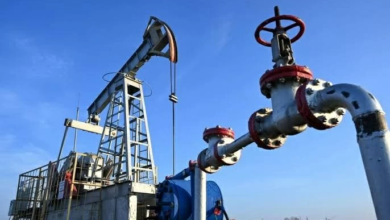
شهدت أسواق الأسهم العالمية أداءً متبايناً خلال تداولات اليوم، في ظل تفاعل المستثمرين مع مجموعة من العوامل المتضاربة. فبينما سجلت مؤشرات وول ستريت مستويات قياسية جديدة مدعومة ببيانات اقتصادية قوية، ألقت التوترات الجيوسياسية بظلالها على أسواق الطاقة، مما أدى إلى ارتفاع أسعار النفط بأكثر من 2%. وجاء هذا الارتفاع في أعقاب تصريحات للرئيس الأمريكي دونالد ترامب تتعلق بالمقترحات الأمريكية لإنهاء الصراع في إيران، مما أثار مخاوف من تعطل إمدادات النفط العالمية.
خلفية تاريخية وسياق عام للأحداث
تاريخياً، تُعتبر أسواق المال العالمية مرآة للاستقرار السياسي والاقتصادي. وتتأثر حركة المؤشرات بشكل مباشر بالتوترات في المناطق الحيوية للطاقة مثل الشرق الأوسط. أي تصعيد في هذه المناطق يؤدي إلى ما يُعرف بـ “علاوة المخاطر” على أسعار النفط، وهو ما ينعكس سلباً على تكاليف الإنتاج للشركات ويزيد من الضغوط التضخمية على الاقتصادات الكبرى. وفي المقابل، تعمل البيانات الاقتصادية الإيجابية، مثل تقارير الوظائف القوية أو نمو الناتج المحلي الإجمالي، كقوة دافعة للأسواق، حيث تعزز ثقة المستثمرين في متانة الاقتصاد وتدفعهم نحو الأصول ذات المخاطر العالية مثل الأسهم.
أداء المؤشرات الأمريكية والأوروبية
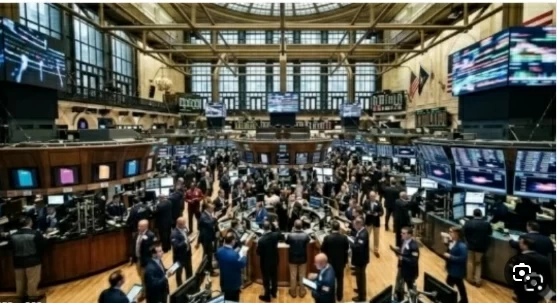
في الولايات المتحدة، واصلت الأسهم تحقيق مكاسب قياسية. ارتفع مؤشر “ستاندرد آند بورز 500” بنسبة 0.8% ليغلق عند 7,398.93 نقطة، مسجلاً أعلى مستوى له على الإطلاق. كما صعد مؤشر “داو جونز الصناعي” بنسبة طفيفة لم تتجاوز 0.1% ليصل إلى 49,609.16 نقطة، بينما قفز مؤشر “ناسداك” المجمع بنسبة 1.7% ليغلق عند مستوى قياسي جديد بلغ 26,247.08 نقطة، مدفوعاً بمكاسب قوية في قطاع التكنولوجيا. جاء هذا التفاؤل بعد صدور تقرير قوي عن سوق العمل الأمريكي فاق توقعات المحللين.
أما في أوروبا، فكان الأداء مختلطاً. ارتفع مؤشر “فوتسي 100” البريطاني بنسبة 0.2% في بداية التعاملات ليصل إلى 10,253.99 نقطة. في المقابل، تراجع مؤشر “داكس” الألماني بأقل من 0.1% إلى 24,328.17 نقطة، وانخفض مؤشر “كاك 40” الفرنسي بنسبة 0.8% إلى 8,049.31 نقطة.
نظرة على الأسواق الآسيوية
في آسيا، تباينت الصورة أيضاً. تراجع مؤشر “نيكاي 225” الياباني بنسبة 0.5% ليغلق عند 62,417.88 نقطة، بعد أن كان قد سجل مستوى قياسياً جديداً خلال الجلسة متجاوزاً 63,300 نقطة. وفي المقابل، حقق مؤشر “كوسبي” في كوريا الجنوبية قفزة كبيرة بنسبة 4.3% ليصل إلى 7,822.24 نقطة، مدفوعاً بمكاسب أسهم شركات التكنولوجيا. وفي الصين، ارتفع مؤشر “شنغهاي” المركب بنسبة 1.1% إلى 4,225.02 نقطة، بعد بيانات أظهرت ارتفاع أسعار المنتجين بنسبة 2.8% في أبريل، وهو أعلى مستوى منذ عام 2022.
الأهمية والتأثيرات المتوقعة
يعكس هذا التباين في أداء الأسواق حالة من عدم اليقين التي تسيطر على المستثمرين عالمياً. فمن ناحية، هناك تفاؤل حذر مدعوم بمرونة الاقتصاد الأمريكي، ومن ناحية أخرى، هناك قلق متزايد من تأثير التوترات الجيوسياسية على استقرار أسعار الطاقة والتضخم العالمي. إن استمرار ارتفاع أسعار النفط قد يجبر البنوك المركزية حول العالم على تبني سياسات نقدية أكثر تشدداً لكبح التضخم، وهو ما قد يؤثر سلباً على النمو الاقتصادي وأرباح الشركات على المدى المتوسط. وستبقى الأسواق في حالة ترقب لأي تطورات سياسية أو بيانات اقتصادية جديدة لتحديد اتجاهها المستقبلي.