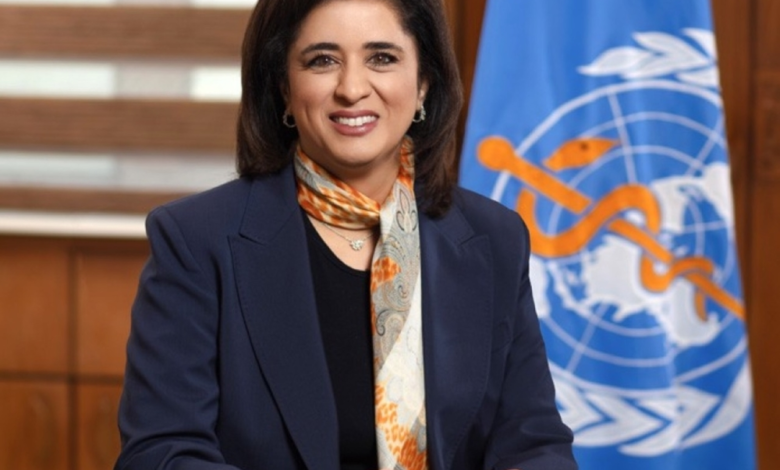

أكدت الدكتورة حنان بلخي، المديرة الإقليمية لمنظمة الصحة العالمية لشرق المتوسط، أن طواقم التمريض والقبالة لا يمثلون فقط خط المواجهة الأول في الرعاية الصحية، بل هم الركيزة الأساسية التي تضمن صمود واستمرارية النظم الصحية في مواجهة التحديات المتزايدة. وشددت على أن الاستثمار في هذه الكوادر الحيوية وحمايتها لم يعد خيارًا، بل ضرورة ملحة لضمان مستقبل صحي آمن ومستدام في الإقليم والعالم.
خلفية تاريخية وأهمية عالمية
جاءت تصريحات الدكتورة بلخي خلال ندوة إلكترونية نُظمت مؤخرًا احتفاءً باليوم العالمي للقابلات واليوم الدولي لكادر التمريض، وهما مناسبتان سنويتان تهدفان إلى تسليط الضوء على المساهمات الجليلة لهاتين المهنتين. تاريخيًا، ارتبطت مهنة التمريض الحديثة بشخصية فلورنس نايتنجيل التي أرست قواعد الرعاية الصحية القائمة على العلم والرحمة. وقد أثبتت جائحة كوفيد-19 للعالم أجمع الدور البطولي الذي يلعبه الممرضون والقابلات، حيث وقفوا في الصفوف الأمامية معرضين حياتهم للخطر لإنقاذ الآخرين، مما أكد على أهميتهم التي لا يمكن الاستغناء عنها.
ضغوط مستمرة وتحديات جسيمة في إقليم شرق المتوسط
أوضحت الدكتورة بلخي أن النظم الصحية في الإقليم تواجه ضغوطًا هائلة ونقصًا حادًا في الكوادر المؤهلة، حيث لا تفي ثلاثة من بلدان الإقليم بالحد الأدنى من الكثافة المطلوبة من العاملين الصحيين لتقديم الخدمات الأساسية. وتتفاقم هذه التحديات بفعل الأزمات والنزاعات المستمرة التي تعصف بالمنطقة. وكشف تقرير حديث أن 42% من إجمالي الهجمات على مرافق الرعاية الصحية في العالم خلال عام 2023 وقعت في الإقليم، وكان العاملون الصحيون هم الضحايا في 67% من تلك الحوادث المروعة، مما يجعل بيئة العمل محفوفة بالمخاطر وتزيد من أعباء العاملين النفسية والجسدية.
استراتيجية منظمة الصحة العالمية لدعم الكوادر الصحية
لمواجهة هذه الأوضاع، أشارت المديرة الإقليمية إلى أن منظمة الصحة العالمية جعلت الاستثمار في القوى العاملة الصحية إحدى مبادراتها الرئيسية. وترتكز جهود المنظمة على عدة محاور استراتيجية، منها:
- إحداث تحول في التعليم والتدريب: التركيز على تحديث المناهج التعليمية وتبني أساليب التعلم الرقمي لضمان تخريج كوادر مجهزة بالمهارات اللازمة.
- دعم الرعاية الصحية الأولية: توجيه الموارد لتعزيز خدمات الرعاية الأولية ووظائف الصحة العامة الأساسية، لضمان وصول الخدمات إلى جميع السكان، خاصة في المناطق الأكثر احتياجًا.
- تعزيز الحوكمة والمعايير المهنية: العمل على تقوية الأطر التنظيمية لضمان المساءلة والالتزام بأعلى المعايير المهنية، مع التركيز بشكل خاص على دعم الكوادر الشابة وحديثة العهد بالمهنة لمواجهة التحديات الوظيفية.
التأثير المستقبلي: نحو نظم صحية أكثر مرونة
إن الدعوة للاستثمار في طواقم التمريض والقبالة تتجاوز مجرد سد النقص العددي؛ فهي استثمار مباشر في الأمن الصحي الإقليمي والعالمي. إن وجود قوة عاملة صحية قوية ومُحفّزة ومدعومة يساهم بشكل مباشر في تحقيق أهداف التنمية المستدامة للأمم المتحدة، خاصة الهدف الثالث المتعلق بالصحة الجيدة والرفاه. واختتمت الدكتورة بلخي كلمتها بالتأكيد على أن هذه الطواقم لا يمكنها الاستمرار في تحمل هذا العبء الهائل دون اعتراف حقيقي بدورها وتوفير استثمار مستدام يضمن حقوقها وسلامتها، معتبرةً أن هذه الجهود الجماعية هي السبيل لبناء مستقبل صحي أفضل للجميع.