Hajj leave requirements for the private sector in Saudi Arabia: duration and regulations

The Ministry of Human Resources and Social Development in the Kingdom of Saudi Arabia announced the specific regulations for granting leave to perform the Hajj pilgrimage to private sector employees, within the framework of regulating the contractual relationship between employees and employers, and in a way that ensures a balance between work requirements and the rights of employees to perform religious rites.
According to Saudi labor law, employees are entitled to paid leave of 10 to 15 days to perform the Hajj pilgrimage, including the Eid al-Adha holiday. The Ministry has established four basic criteria for eligibility for this leave to ensure fairness and regulate workflow within establishments.
Regulations and conditions for eligibility for Hajj leave
To ensure that leave is granted in a way that does not affect productivity and preserves employee rights, the ministry has set the following conditions:
- Length of service: The employee must have completed at least two consecutive years of service with the employer. This condition aims to ensure the stability of the contractual relationship before benefiting from this advantage.
- Only once: This leave is granted to the worker only once during his entire service with the same employer, provided that he has not performed the pilgrimage before.
- Determining the number of beneficiaries: The employer has the right to determine the number of workers who can obtain Hajj leave each year, based on the requirements and operational work conditions to ensure that the workflow in the establishment is not affected.
- The duration of the leave: The leave period ranges between a minimum of 10 days and a maximum of 15 days, and it is a fully paid leave.
General context and importance of organization
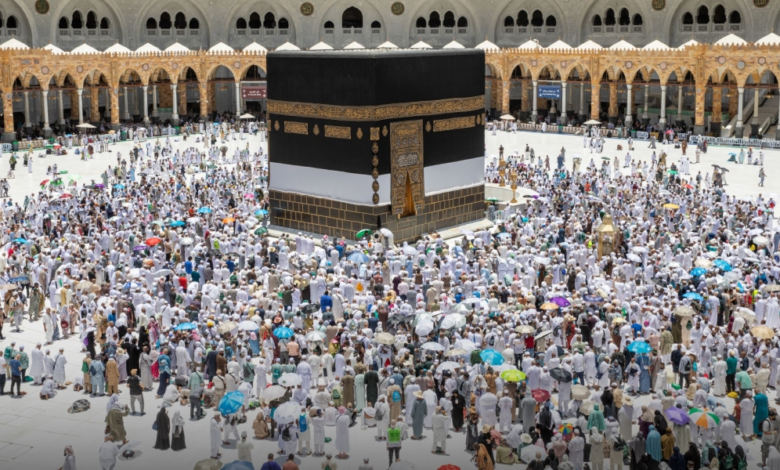
This regulation stems from the immense religious significance of Hajj, the fifth pillar of Islam, which draws millions of Muslims annually to Mecca. The Saudi Arabian government continuously develops regulations and legislation to facilitate the performance of this religious duty for citizens and residents. Clarifying these guidelines within the labor law reflects the Kingdom's commitment to enabling employees to exercise their religious rights without compromising their professional obligations, thus contributing to a stable and motivating work environment.
Expected impact on the labor market
These regulations are expected to have a positive impact on the Saudi labor market. Domestically, these laws provide legal clarity, preventing potential disputes between employees and employers regarding leave entitlement and duration. They also enhance employee satisfaction and loyalty, which positively impacts productivity. More broadly, these measures align with the goals of Vision 2030, which aims to improve quality of life and create a more attractive work environment for both Saudi and expatriate talent, underscoring the Kingdom's commitment to providing a framework that balances economic development with social and religious responsibility.