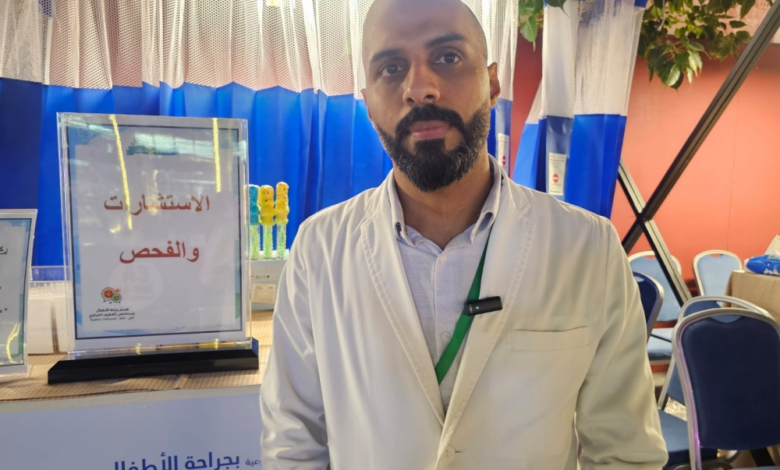

أكد الدكتور علي آل سلام، الطبيب المقيم في جراحة الأطفال بمستشفى القطيف المركزي، أن حوالي 40% من حالات الخصية المعلقة لدى الأطفال تتطلب تدخلاً جراحياً، مشدداً على أهمية الفحص المبكر لتجنب مضاعفات مستقبلية قد تؤثر بشكل كبير على صحة الطفل وقدرته الإنجابية. جاء ذلك خلال فعالية توعوية نظمها المستشفى بهدف رفع مستوى الوعي حول الأمراض الجراحية الشائعة لدى الأطفال.
ما هي الخصية المعلقة وما مدى انتشارها؟
الخصية المعلقة، أو ما يُعرف طبياً بـ (Cryptorchidism)، هي حالة خلقية شائعة لا تنزل فيها إحدى الخصيتين أو كلتيهما إلى مكانها الطبيعي في كيس الصفن قبل ولادة الطفل. أثناء نمو الجنين، تتكون الخصيتان داخل البطن ثم تنزلان تدريجياً إلى كيس الصفن في الأشهر الأخيرة من الحمل. تعتبر هذه الحالة أكثر شيوعاً بين الأطفال الذين يولدون قبل الأوان (الخدج)، حيث تصيب حوالي 30% منهم، مقارنة بـ 3-4% فقط من الأطفال المولودين في أوانهم. في كثير من الحالات، تنزل الخصية من تلقاء نفسها خلال الأشهر الثلاثة إلى الستة الأولى من حياة الطفل، ولكن إذا لم يحدث ذلك، يصبح التدخل الطبي ضرورياً.
أهمية التشخيص المبكر والتوقيت الحاسم للعلاج
أوضح الدكتور آل سلام أن التشخيص الدقيق والفوري هو حجر الزاوية في التعامل مع هذه الحالات. وأشار إلى أن قسم جراحة الأطفال يتعامل مع أنواع مختلفة من هذه المشكلة، بما في ذلك “الخصية المعلقة” الحقيقية، و”الخصية المهاجرة”، و”الخصية النطاطة”. يتم تحديد الخطة العلاجية بناءً على الفحص السريري الدقيق لكل حالة على حدة. وشدد على أن الفترة الزمنية حتى عمر ستة أشهر تعتبر فترة مراقبة وتقييم أولي. بعد هذا العمر، إذا لم تستقر الخصية في مكانها الطبيعي، يصبح التدخل الجراحي حتمياً. وأضاف أن الحالات التي تكون فيها الخصية داخل التجويف البطني تستدعي جراحة إلزامية عند عمر 6 أشهر لضمان الحفاظ على وظائفها الحيوية في المستقبل.
المخاطر الصحية المترتبة على تأخير العلاج
إن إهمال علاج الخصية المعلقة أو تأخيره يعرض الطفل لمخاطر صحية جسيمة على المدى الطويل. وجود الخصية خارج كيس الصفن يعني تعرضها لدرجة حرارة أعلى من درجة حرارة الجسم، مما قد يؤدي إلى تلف الأنسجة المسؤولة عن إنتاج الحيوانات المنوية، وبالتالي زيادة خطر الإصابة بالعقم في مرحلة البلوغ. بالإضافة إلى ذلك، يرتفع خطر الإصابة بسرطان الخصية بنسبة كبيرة لدى الرجال الذين لديهم تاريخ مرضي بالخصية المعلقة ولم يتم علاجها. كما تزيد الحالة من احتمالية حدوث مضاعفات أخرى مثل الفتق الإربي والتواء الخصية، وهي حالة طبية طارئة تتطلب تدخلاً جراحياً فورياً.
دور المستشفيات والحملات التوعوية
تأتي الفعاليات التوعوية التي ينظمها مستشفى القطيف المركزي كجزء من جهود القطاع الصحي لتعزيز الوعي المجتمعي. تهدف هذه الحملات إلى تقديم استشارات مجانية وفحص سريري مباشر للأهالي والزوار، وتثقيفهم حول الحالات الصحية الحرجة التي تتطلب انتباهاً خاصاً. واختتم الدكتور آل سلام حديثه بتوجيه نصيحة مباشرة للأهالي بضرورة عدم التردد أو التأخير في عرض أطفالهم على الطبيب المختص عند الشك في وجود أي مشكلة، مؤكداً أن التدخل في الوقت المناسب يضمن نمو الطفل بشكل سليم ويقيه من مضاعفات خطيرة هو في غنى عنها.