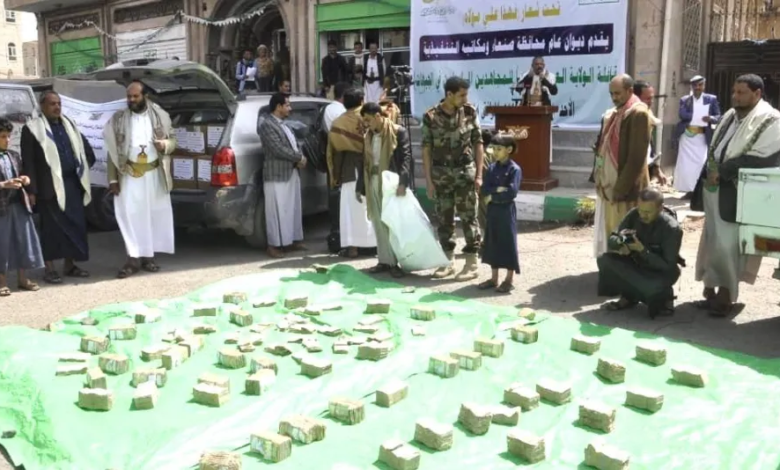

يعيش سكان العاصمة اليمنية صنعاء وريفها ظروفاً اقتصادية وإنسانية بالغة التعقيد، تتفاقم بشكل ملحوظ مع حلول الأعياد والمناسبات الدينية. وتأتي “الجبايات العيدية” التي تفرضها جماعة الحوثي لتشكل عبئاً إضافياً يرهق كاهل المواطنين والتجار على حد سواء، مما يحول فرحة العيد إلى هموم يومية للبحث عن لقمة العيش وتلبية المطالب المالية المستمرة في ظل تدهور الأوضاع المعيشية.
السياق العام والخلفية التاريخية لسياسة الجبايات
منذ سيطرة جماعة الحوثي على العاصمة صنعاء ومؤسسات الدولة في أواخر عام 2014، انتهجت سياسة اقتصادية تعتمد بشكل كبير على تحصيل الأموال من المواطنين والقطاع الخاص تحت مسميات متعددة. ومع مرور السنوات، تحولت المناسبات الدينية، مثل عيد الفطر وعيد الأضحى والمولد النبوي، إلى مواسم رئيسية لجمع الأموال. وتُفرض هذه الجبايات تحت ذرائع مختلفة، منها دعم “المجهود الحربي”، أو دفع “الزكاة” بتقديرات جزافية مضاعفة، أو تسيير قوافل عيدية للمقاتلين في الجبهات. وقد أدت هذه الممارسات المنهجية إلى استنزاف المدخرات المالية للسكان، في ظل انقطاع رواتب الموظفين الحكوميين منذ عام 2016، مما جعل شريحة واسعة من اليمنيين تعتمد بشكل كلي على المساعدات الإنسانية أو التحويلات المالية من المغتربين في الخارج.
أهمية الحدث وتأثيره المحلي على سكان صنعاء وريفها
على الصعيد المحلي، تترك هذه الجبايات الإجبارية تأثيراً كارثياً ومباشراً على الحياة اليومية للمواطنين. فالتجار وأصحاب المحلات التجارية، سواء الكبيرة أو الصغيرة، يضطرون لدفع مبالغ مالية باهظة لتجنب الإغلاق أو الاعتقال، وهو ما ينعكس فوراً على أسعار السلع الأساسية والملابس. ونتيجة لذلك، يجد المواطن البسيط نفسه عاجزاً تماماً عن توفير احتياجات أسرته من كسوة العيد والمواد الغذائية. وفي ريف صنعاء، لا يختلف الوضع كثيراً، حيث تُفرض إتاوات قاسية على المزارعين ومربي المواشي، مما يضعف القطاع الزراعي المحلي ويزيد من معدلات الفقر والبطالة في القرى والمديريات المحيطة بالعاصمة، ويدفع الكثيرين لترك أراضيهم.
التداعيات الإقليمية والدولية للأزمة الاقتصادية
إقليمياً ودولياً، تسلط هذه الممارسات الضوء على تعقيدات الأزمة اليمنية التي وصفتها الأمم المتحدة مراراً بأنها واحدة من أسوأ الأزمات الإنسانية في العالم. إن استمرار فرض الجبايات وتجفيف منابع الدخل للمواطنين يعرقل جهود السلام الإقليمية والدولية، حيث يعمق الفجوة الاقتصادية ويزيد من حالة الاحتقان المجتمعي. كما أن هذه السياسات تزيد من العبء الملقى على عاتق المنظمات الدولية والإغاثية التي تحاول جاهدة سد الفجوة الغذائية، في وقت تواجه فيه هذه المنظمات تحديات كبيرة في تمويل برامجها الإنسانية في اليمن. إن استمرار هذا النهج ينذر بانهيار اقتصادي شامل في مناطق سيطرة الحوثيين، مما يتطلب تدخلاً دولياً جاداً للضغط نحو تحييد الاقتصاد عن الصراع ودفع رواتب الموظفين للتخفيف من معاناة ملايين اليمنيين الأبرياء.