
Escalation in rhetoric between Washington and Havana
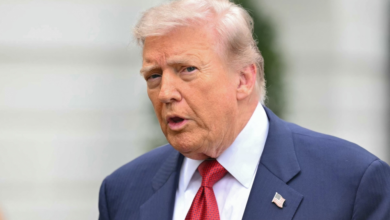
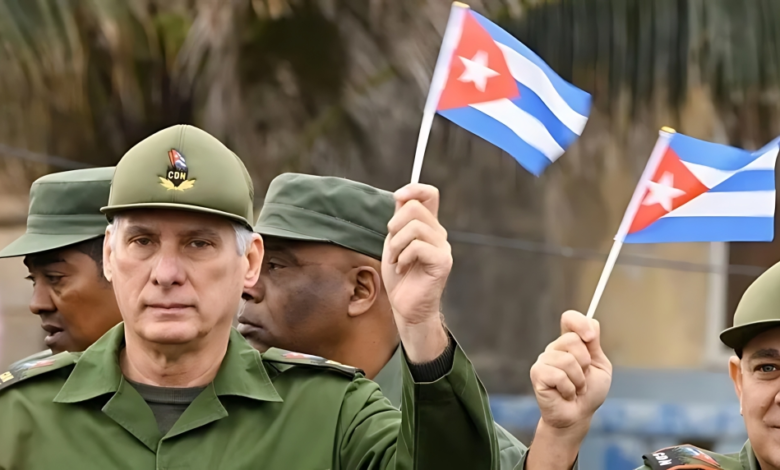
Cuban President Miguel Díaz-Canel strongly condemned the threats made by former US President Donald Trump, describing them as having reached a “dangerous and unprecedented level.” In remarks reflecting the deep tensions in relations between the two countries, Díaz-Canel called on the international community to take action to halt this aggressive escalation. The Cuban response came after Trump renewed his threats to “take control” of Cuba, hinting at the possibility of military action against the island.
Historical roots of a protracted conflict
This tension cannot be understood in isolation from its long historical context. Relations between the United States and Cuba have been strained since the 1959 Cuban Revolution, which brought Fidel Castro to power. In 1962, Washington imposed a comprehensive economic, commercial, and financial embargo on Cuba, which remains in effect today, in response to the Cuban government's nationalization of American property. The following decades saw major crises, most notably the failed Bay of Pigs invasion of 1961 and the Cuban Missile Crisis of 1962, which nearly triggered a nuclear war. Despite a brief period of détente under President Barack Obama, which saw the restoration of diplomatic relations in 2015, the Trump administration reinstated its "maximum pressure" policy and reversed most of the rapprochement.
The “maximum pressure” policy and its impact
During his presidency, Trump adopted a hardline policy toward Havana, aimed at regime change. This policy included tightening the embargo, imposing severe restrictions on travel and remittances from Cubans abroad, and invoking Title III of the Helms-Burton Act, which allows U.S. citizens to sue foreign companies that use assets confiscated after the revolution. The Trump administration justified these measures by citing Cuba's support for Nicolás Maduro's government in Venezuela and its human rights record. Analysts believe this policy was also designed to win the votes of the Cuban-American community in Florida, a significant voting bloc.
Local, regional and international dimensions of the escalation
Domestically, these threats and sanctions exacerbate the economic suffering of the Cuban people, but at the same time, they provide the government in Havana with a tool to rally popular support against what it calls “imperialist aggression.” Díaz-Canel warned that any US military intervention would not be met with “surrender in Cuba,” asserting that its true aim is to serve the interests of a powerful minority of Cuban immigrants in Florida. Regionally, this tension contributes to deepening the polarization in Latin America between countries allied with Washington and those supporting Havana. Internationally, the US embargo policy faces near-unanimous condemnation in the UN General Assembly annually, leaving the United States increasingly isolated from its European and other allies who favor dialogue and engagement with Cuba over isolation and sanctions.