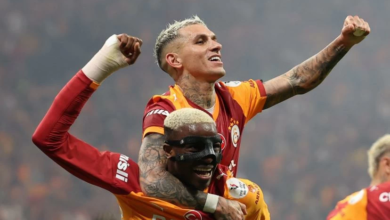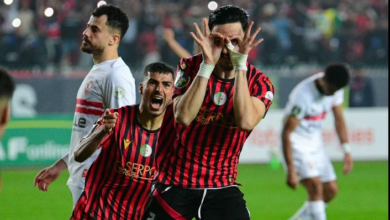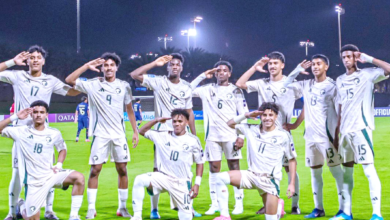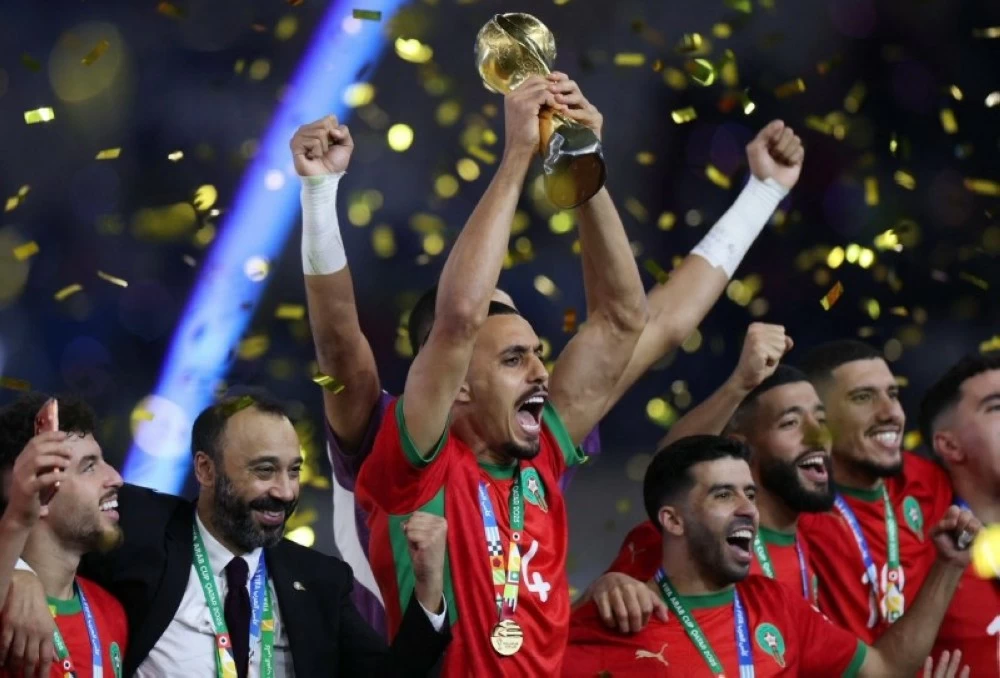
The curtain fell on the 2025 Arab Cup on Thursday evening, in a historic footballing spectacle held at the Lusail Stadium in Qatar, where the Moroccan national team deservedly claimed the title after defeating their Jordanian counterparts in a marathon match that ended 3-2. The Atlas Lions not only secured the gold trophy but also dominated the tournament's individual awards, reflecting the technical and tactical superiority the team displayed throughout the competition.
Mehdi Benabid... The impregnable dam
In the goalkeeping position, the brilliant Moroccan goalkeeper Mehdi Benabid stole the show, deservedly winning the Best Goalkeeper award. This accolade was the fruit of a heroic performance and consistent level of play by Benabid, who managed to keep a clean sheet in four consecutive matches, a statistic that reflects the strength of the Moroccan national team's defense. He conceded only three goals throughout the tournament, making him a cornerstone of their journey to the championship title.
Harimat... the midfield maestro and the best in the tournament
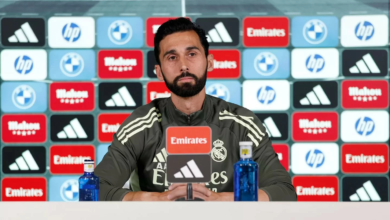
As for the Best Player award at the 2025 Arab Cup, the title went to Moroccan midfielder Mohamed Rabie Harimat. Harimat was chosen for his outstanding leadership and significant influence in controlling the tempo of the game and linking the lines, as he was the driving force behind the Atlas Lions. Analysts praised his high level of physical and technical performance, which directly contributed to securing victories during crucial moments in the knockout matches leading up to the final.
Ali Alwan... a bright spot for the Jordanian team
Despite losing the title, the Jordanian national team left a strong mark on the tournament, culminating in their star player Ali Alwan winning the Golden Boot. Alwan topped the scoring charts with six goals, demonstrating his exceptional goal-scoring ability. The final match witnessed a remarkable performance from Alwan, who scored two goals against Morocco, proving his worth as one of the most prominent strikers in the Arab world today and salvaging some pride for the Jordanian team with a commendable attacking display.
Context of the event and the status of Moroccan football
This Moroccan triumph cements the Kingdom of Morocco's position as a formidable footballing force, not only on the African continent but also in the Arab world. Winning the 2025 Arab Cup is a continuation of the footballing boom Moroccan football has experienced in recent years, particularly after their historic achievement at the 2022 Qatar World Cup. The coaching staff also deserves credit for their reliance on a blend of experience and local talent, reflecting the strength of the domestic league and its ability to produce players capable of competing at the highest levels.
The importance of the tournament and its regional impact
This edition of the Arab Cup gained special significance as it was held in World Cup-standard stadiums in Qatar, providing the players with a high-level professional environment. This Arab gathering is an ideal opportunity for the national teams to test their readiness for upcoming international competitions, whether World Cup qualifiers or continental tournaments. For Morocco, this title confirms the depth of their squad and the availability of ready substitutes, while Jordan's reaching the final is a positive indicator of the development of football in the Levant and Asia, promising more intense and competitive matches in the near future.