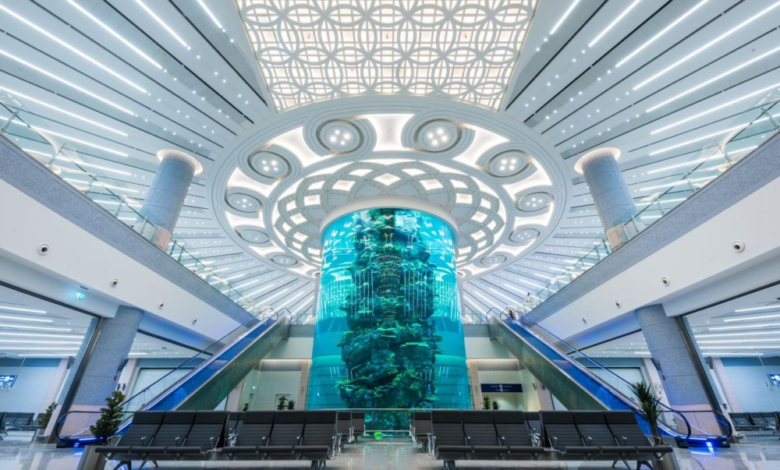

King Abdulaziz International Airport in Jeddah has achieved a remarkable and exceptional milestone, adding to the Kingdom of Saudi Arabia's record of accomplishments in the aviation sector. It secured third place globally in the category of mega airports serving between 50 and 60 million passengers annually, according to the 2026 Skytrax World Airport Awards. The official announcement of this prestigious international achievement was made during the renowned Passenger Terminal Expo held in London. Furthermore, the airport jumped 17 places in the overall ranking of the world's best airports, reaching 27th place globally, and also earned the title of fifth most improved and developed airport in the world.
Historical context and ongoing development of King Abdulaziz Airport
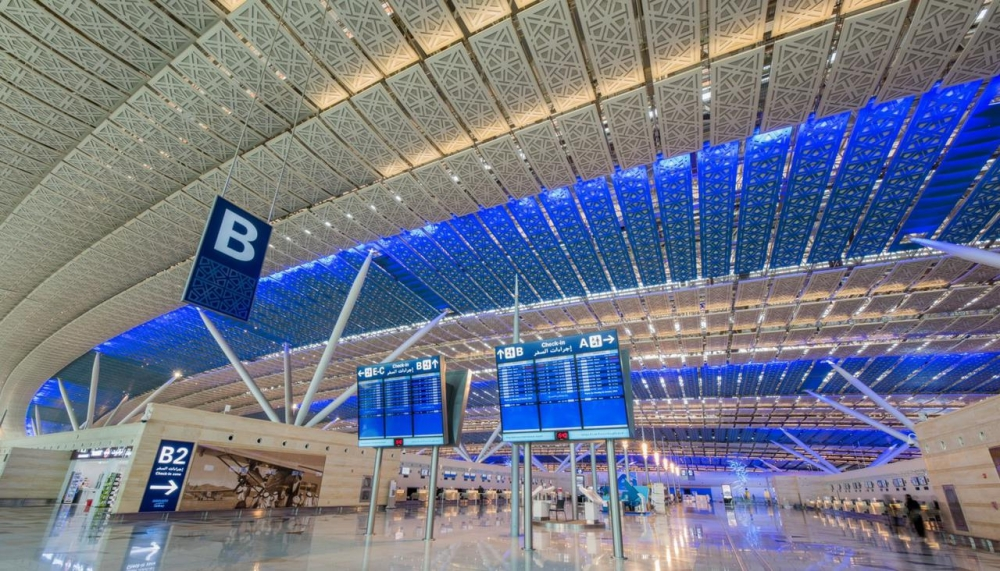
King Abdulaziz International Airport, officially opened in 1981, is the main air gateway to the Kingdom of Saudi Arabia and the primary point of entry for pilgrims traveling to Mecca. As part of the Kingdom's efforts to develop its infrastructure, the airport underwent a historic transformation with the opening of Terminal 1 (the new terminal), one of the largest airport projects in the region. This massive expansion dramatically increased the airport's capacity and equipped it with the latest smart technologies and advanced baggage handling systems, paving the way for it to compete with major international airports and achieve remarkable ranking improvements.
Quality of traveler experience and improvement of services
Commenting on this achievement, Eng. Mazen bin Mohammed Johar, CEO of Jeddah Airports Company, affirmed that this remarkable progress reflects the company's unwavering commitment to enhancing the quality of services provided to passengers. He explained that this success is the result of integrated efforts and diligent work among all employees and government and private entities operating at the airport. Johar added that the company is proud of these accomplishments, which reinforce the airport's position as an exceptional regional and global hub. He noted that achieving this advanced ranking is one of the key strategic objectives for customer experience set for 2026, which focuses on making the passenger journey smoother and more comfortable.
Strategic importance and regional and international influence
This achievement carries significant weight that extends far beyond local borders. Internationally, the Skytrax ranking is considered the gold standard for airport quality, based on surveys of millions of travelers worldwide. A Saudi airport achieving such a high ranking enhances international confidence in the Saudi aviation sector and attracts more global airlines to operate flights through Jeddah. Regionally, the airport solidifies its position as a key transit hub connecting Asia, Europe, and Africa, thus supporting trade and tourism in the Middle East.
Efficiency of operational processes and service to the pilgrims
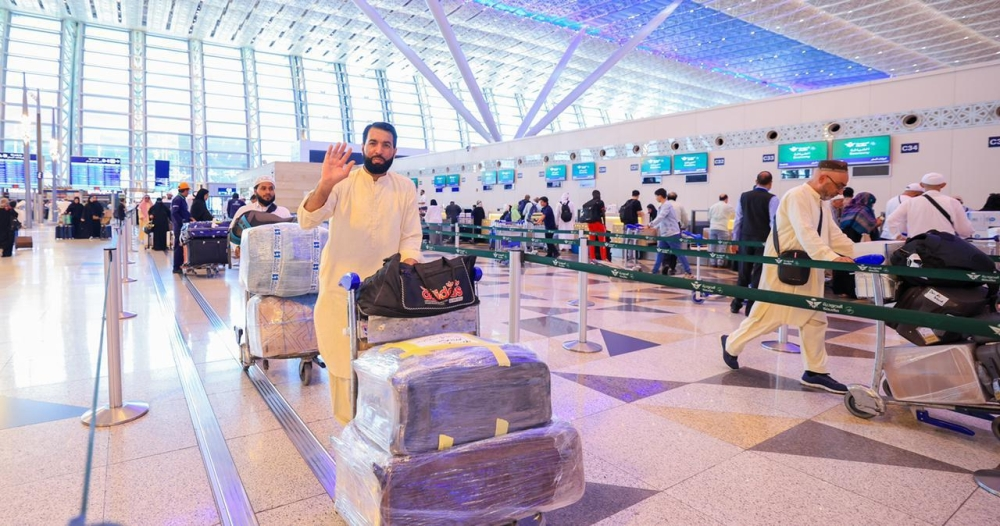
This achievement is a continuation of the significant efforts undertaken by Jeddah Airports Company to enhance operational efficiency since assuming management and operations in 2022. This ongoing development contributes to improving performance indicators related to the passenger journey from arrival to departure. The paramount importance of this operational efficiency lies in serving pilgrims arriving from around the world to perform Hajj and Umrah, as the airport plays a crucial role in accommodating the millions of visitors arriving annually and providing services befitting the Kingdom of Saudi Arabia's status.
Supporting the goals of Saudi Vision 2030
Jeddah Airports Company continues to implement aviation sector programs stemming from the National Transport and Logistics Strategy, closely aligned with the ambitions of Saudi Vision 2030. Through these significant advancements, the airport aims to solidify its position as a global logistics hub connecting East and West. Efforts also continue to modernize infrastructure and adopt the latest smart technologies and digital solutions to ensure smooth operations and provide maximum comfort for travelers. This contributes to achieving the Vision's goal of hosting 30 million Umrah pilgrims by 2030 and enhancing the non-oil sector's contribution to the Kingdom's GDP.