
إنجاز علمي رائد من جامعة الملك عبدالله للعلوم والتقنية
في خطوة علمية بارزة، كشف فريق بحثي من جامعة الملك عبدالله للعلوم والتقنية (كاوست) عن آليات جزيئية دقيقة توضح كيفية استجابة الخلايا البشرية للإجهاد الحمضي، وهي حالة شائعة في العديد من الأمراض الخطيرة مثل السرطان والالتهابات المزمنة. ونُشرت نتائج هذه الدراسة الرائدة في المجلة العلمية المرموقة “Communications Biology”، لتقدم فهماً أعمق لكيفية تأثير البيئات الحمضية على وظائف الخلية وتفتح آفاقاً جديدة لتطوير استراتيجيات علاجية مبتكرة.
السياق العلمي: ما هو الإجهاد الحمضي وأهميته؟
يُعرف الإجهاد الحمضي، أو حموضة الأنسجة، بأنه انخفاض في درجة الحموضة (pH) في البيئة المحيطة بالخلايا. وعلى الرغم من أن الجسم البشري يحافظ على توازن دقيق للحموضة، إلا أن هذا التوازن يختل في ظروف مرضية معينة. على سبيل المثال، تنتج الأورام السرطانية كميات كبيرة من حمض اللاكتيك، مما يخلق بيئة حمضية تساعدها على النمو والانتشار. كما ترتبط هذه الظاهرة بالالتهابات المزمنة والعمليات البيولوجية المرتبطة بالشيخوخة، لكن تأثيرها المباشر على الآليات الخلوية ظل غير مفهوم بالكامل.
تركز الدراسة على مكونين حيويين داخل الخلية: الميتوكوندريا، التي تعمل بمثابة “محطات توليد الطاقة”، وجزيء (NAD⁺)، وهو عامل مساعد أساسي يشارك في مئات التفاعلات الأيضية وإنتاج الطاقة. أي خلل في هذين المكونين يمكن أن يؤدي إلى اضطرابات خلوية خطيرة.
نتائج الدراسة: كشف العلاقة بين الحموضة وخلل الطاقة
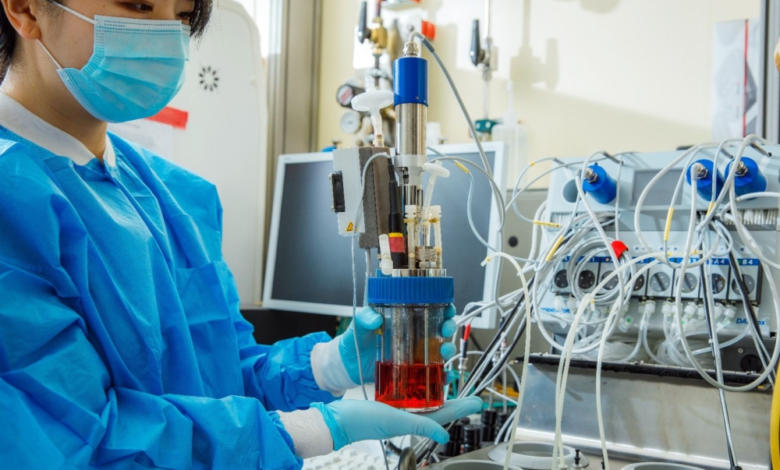
باستخدام نظام مفاعل حيوي متطور يسمح بالتحكم الدقيق في الظروف البيئية للخلية، أظهر باحثو كاوست أن حتى الزيادة الطفيفة في الحموضة تؤدي إلى اضطراب كبير في آليات إنتاج الطاقة. ووجدوا أن الإجهاد الحمضي يسبب استنزافاً حاداً في مستويات جزيء (NAD⁺) الحيوي. هذا النضوب بدوره يضعف وظيفة الميتوكوندريا ويطلق سلسلة من استجابات الإجهاد داخل الخلية، مما يعطل وظائفها الطبيعية.
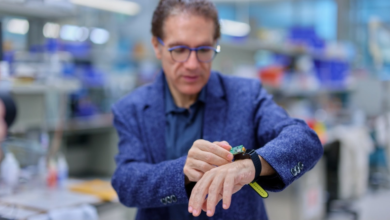
والأهم من ذلك، أثبتت الدراسة أن هذا الضرر ليس دائماً. فعند تزويد الخلايا المجهدة بمكمل “نيكوتيناميد أحادي النوكليوتيد” (NMN)، وهو مركب طليعي لجزيء (NAD⁺)، تمكن الباحثون من استعادة مستويات (NAD⁺) جزئياً، مما أدى إلى تحسين صحة الخلية واستعادة وظائفها الأيضية. وقال البروفيسور مو لي، المشارك في الدراسة: “تسلط نتائجنا الضوء على الحموضة كعامل مساهم رئيسي في تطور الأمراض، وتفتح الباب أمام استراتيجيات محتملة لحماية الخلايا ودعم صحة الإنسان”.
الأهمية والتأثيرات المتوقعة: من المختبر إلى العيادة
تتجاوز أهمية هذه الدراسة حدود المختبرات البحثية، حيث تحمل في طياتها آثاراً واعدة على المستويات المحلية والدولية.
- على المستوى المحلي: يعزز هذا البحث مكانة المملكة العربية السعودية وجامعة كاوست كمركز عالمي رائد في الابتكار والبحث العلمي، بما يتماشى مع أهداف رؤية 2030 الطموحة لبناء اقتصاد قائم على المعرفة.
- على المستوى الدولي: تقدم النتائج فهماً أساسياً لآلية مشتركة في أمراض واسعة الانتشار. إن تحديد استنزاف (NAD⁺) كحلقة وصل بين الإجهاد الحمضي والخلل الوظيفي الخلوي قد يقود إلى تطوير علاجات جديدة تستهدف هذا المسار، ليس فقط للسرطان والالتهابات، بل أيضاً للأمراض المرتبطة بالشيخوخة. وهذا يضع البحث في طليعة الجهود العالمية لمكافحة الأمراض المزمنة وإطالة أمد الحياة الصحية.
يؤكد الدكتور سمعان السليمي، أحد المشاركين في البحث، أن هذه النتائج تشير إلى أن الحموضة ليست مجرد ناتج ثانوي للمرض، بل هي عامل نشط يقود الخلل الوظيفي في الخلايا، مما يفتح آفاقاً جديدة للتدخل العلاجي المستقبلي.