Iran presents a new proposal to Washington via Pakistan to de-escalate tensions

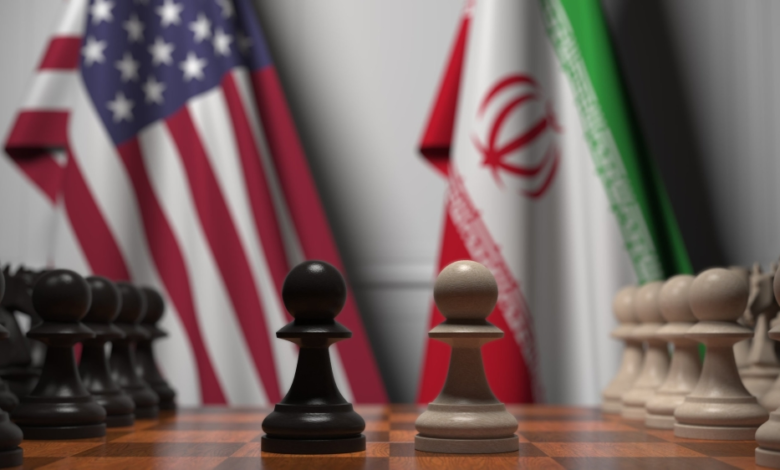
Iranian state media revealed that Tehran has presented a new proposal to the United States, via Pakistani mediation, aimed at negotiating a de-escalation of military tensions in the Middle East. This move comes amid unprecedented regional tensions, raising questions about the nature of the proposal and its chances of achieving stability.
According to Iran's official news agency IRNA, the proposal was delivered to Pakistan on Thursday night, acting as a mediator in the talks with Washington, without disclosing further details about its terms. The selection of Pakistan as a mediator represents a significant shift, as countries like Oman and Qatar have traditionally played this role in indirect negotiations between Tehran and Washington.
A historical context of tension and negotiations
Tensions between Iran and the United States have deep roots, dating back decades, but they escalated dramatically after the Trump administration withdrew from the nuclear agreement (the Joint Comprehensive Plan of Action) in 2018 and reimposed crippling economic sanctions on Tehran. Since then, the region has witnessed multiple rounds of escalation, punctuated by intermittent diplomatic efforts to revive the agreement or reach new understandings, none of which have been entirely successful.
The importance of the initiative in light of the regional escalation
This Iranian initiative takes on particular significance in light of the ongoing war in Gaza since last October, which has broadened the scope of the conflict in the region. Recent months have witnessed attacks by Iranian-backed groups in Yemen, Lebanon, Iraq, and Syria against Israeli and American targets, prompting US retaliatory military strikes. The Iranian proposal appears aimed at containing this escalation, which threatens to spiral into a full-blown regional war—a scenario both Tehran and Washington have repeatedly stated their desire to avoid.
Potential impacts at the regional and international levels
If this initiative leads to serious negotiations, its effects will be far-reaching. Regionally, any agreement could significantly reduce the activities of Iran’s proxies, helping to de-escalate tensions in the Red Sea and along the Lebanese-Israeli border. Internationally, a successful diplomacy would represent a victory for the Biden administration and contribute to the stability of global energy markets, which are directly affected by any tension in the Strait of Hormuz. However, the success of these efforts hinges on the seriousness of the Iranian offer and Washington’s willingness to engage in constructive dialogue in the current tense atmosphere.