A South Korean ship catches fire in the Strait of Hormuz after an explosion

A new incident raises concerns in the global energy corridor
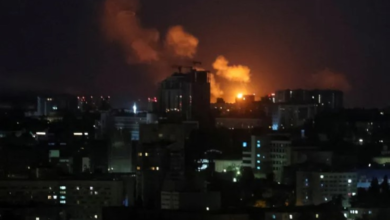
South Korea's Foreign Ministry announced on Monday that a South Korean-flagged vessel was struck by a mysterious explosion followed by a fire while transiting the Strait of Hormuz, a strategic waterway and vital global energy artery. The ministry confirmed in a statement that no injuries were reported among the ship's crew and that authorities have launched an immediate investigation to determine the circumstances and cause of the incident.
This incident serves to highlight the growing security risks in this vital region, which has witnessed a series of incidents and attacks on oil tankers and commercial vessels in recent years, raising widespread international concern about the stability of global energy supplies.
The Strait of Hormuz: A History of Tensions and Strategic Importance
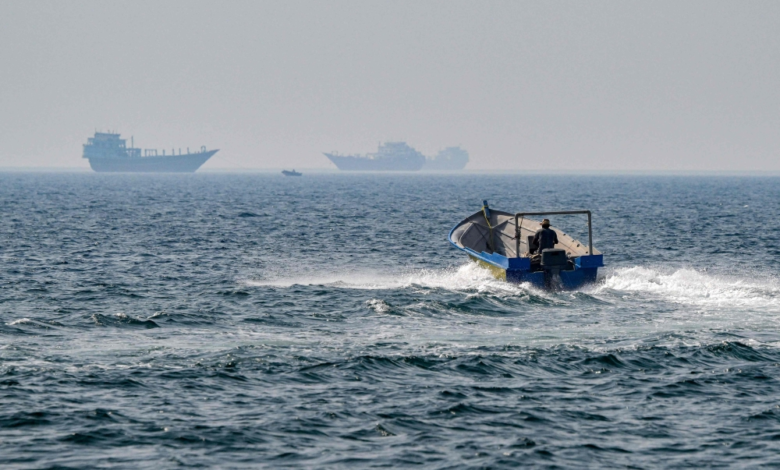
The Strait of Hormuz is one of the world's most important waterways, through which approximately one-fifth of the world's oil consumption passes, in addition to vast quantities of liquefied natural gas. Connecting the Persian Gulf and the Gulf of Oman, the strait is an indispensable transit point for oil and gas exports from major producing countries such as Saudi Arabia, the UAE, Kuwait, Iraq, and Iran.
Given its strategic importance, the Strait of Hormuz has always been a stage for geopolitical tensions, particularly between Iran and Western powers. Iran has repeatedly threatened to close the strait in response to sanctions or any potential military action, a move seen as one that would ignite global oil prices and trigger a major economic crisis.
Potential impacts on global security and the economy
Any security incident in the Strait of Hormuz, whether a deliberate attack or an accident, carries serious repercussions. Economically, such events lead to an immediate spike in crude oil prices due to fears of supply disruptions. Shipping insurance costs in the region also rise, increasing the financial burden on trading companies and driving up prices for end consumers.
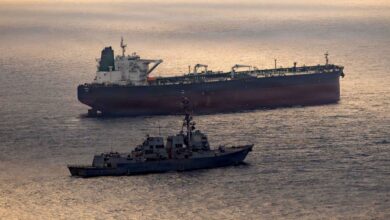
On the security front, these incidents necessitate swift international responses. The United States and its allies have bolstered their military presence in the region through initiatives such as the International Maritime Security Construct (Operation Sentinel), aimed at deterring attacks and ensuring freedom of navigation. In this context, U.S. Central Command (CENTCOM) announced that its guided-missile destroyers are escorting commercial vessels to ensure their safe passage through the strait, reaffirming its commitment to protecting international trade in this vital waterway.